
Books For Kids With Big Feelings
Kelly Anderson
A shelf full of stories can still leave you wondering what to read when your child is anxious, angry, discouraged, or reluctant to talk. Some books entertain beautifully but offer little help with feelings. Others sound educational yet fail to hold a young listener’s attention. You need stories that feel warm and engaging while giving you natural openings for meaningful conversation. For families in Portland, Oregon, kids’ books can become part of an emotionally supportive home rhythm, not simply a reading activity. Zebra Baby creates stories and learning resources that help children recognize feelings, express themselves, and build confidence without turning storytime into a lesson or lecture. The most useful approach is to build an emotion-ready home library. Instead of organizing every book only by reading level, author, or favorite character, you can also think about the emotional purpose each story serves. This gives you a thoughtful collection to reach for during ordinary days, difficult transitions, and quiet moments of parent-child connection.
What Is an Emotion-Ready Home Library?
An emotion-ready library is a small or large collection of stories chosen to support a range of emotional experiences. It may include books about frustration, friendship, separation, mistakes, confidence, patience, belonging, sadness, and perseverance. The goal is not to surround your child with books that constantly explain behavior. A balanced collection includes humor, imagination, adventure, comfort, and emotional learning. Stories should still feel like stories. Their characters need hopes, problems, reactions, and satisfying moments that invite your child into the experience. Quality children’s emotional learning books often provide three important elements: a relatable feeling, an understandable challenge, and a response your child can observe. That response does not need to solve everything immediately. In fact, a character who pauses, asks for help, tries again, or names a difficult emotion may feel more believable than one who becomes cheerful after a single conversation.
Stories Give Feelings a Safe Shape
Direct questions such as “Why are you upset?” can feel too large when a child is overwhelmed. A story creates a little emotional distance. Your child can think about what a character might be experiencing before talking about personal feelings. According to Edutopia’s guidance on teaching emotional intelligence with picture books, stories can offer a comfortable setting where children see experiences reflected, discuss difficult subjects, and practice empathy naturally. That distance helps because your child is not immediately placed under pressure to explain or defend a reaction. You might say, “Her face changed when the game ended. What do you think happened inside her?” Your child may answer with a feeling word, point to the picture, or simply listen. Each response is a valid form of participation.
Emotional Variety Matters More Than Shelf Size
A thoughtfully chosen group of ten books may serve your family better than dozens of stories with nearly identical themes. Emotional variety helps you respond to different needs. Include stories in which characters feel confident and capable, as well as stories about fear or disappointment. Look for characters who repair friendships, tolerate waiting, make mistakes, receive comfort, and express preferences respectfully. Books about joy, curiosity, pride, and affection matter too. Emotional learning should not focus only on distress. Representation also deserves attention. The Collaborative for Academic, Social, and Emotional Learning recommends selecting books connected to children’s experiences and identities to support self-awareness and social awareness. Your child benefits from both recognition and expansion, seeing familiar lives reflected while also meeting families, abilities, cultures, and perspectives beyond personal experience.
Organize Kids’ Books by the Support They Offer
You do not need labels on every shelf. A simple mental map can help you remember which story may fit a particular moment.
Books for Naming and Expressing Feelings
Some young children communicate emotion through behavior before they can explain it in words. They may slam a toy down, hide behind you, refuse a familiar activity, or become unusually silly. Stories can introduce language without demanding an immediate personal confession. Choose books that show emotions through facial expressions, body sensations, actions, and words. A character might notice tight shoulders, warm cheeks, a wobbly voice, or the urge to run away. These details help children understand that feelings can be noticed in the body. Self-expression can include words, movement, drawing, quiet time, or seeking closeness. Books should not suggest that spoken language is the only acceptable response.
Books for Calming and Emotional Regulation
Emotional regulation support for young children should be gentle and realistic. Regulation does not mean making sadness or anger disappear. It means helping a child remain emotionally safe while a feeling changes in intensity. Look for stories in which adults stay steady, boundaries remain clear, and the child character is not shamed. Helpful coping moments might include breathing slowly, holding a comforting object, taking space nearby, asking for connection, moving the body, or trying again later. Newer publishing efforts also reflect interest in pairing familiar characters with practical feeling-management ideas informed by specialists. For example, Publishers Weekly reported on a picture book featuring coping strategies recommended by a pediatric specialist. Specialist input can be valuable, but you should still consider whether the language, pacing, and suggested responses fit your child.
Books for Confidence, Effort, and Identity
Confidence stories are strongest when characters are allowed to struggle. If success comes too easily, a child may miss the more helpful message that uncertainty and effort can exist alongside courage. Seek stories where a character practices, adapts, accepts support, or feels proud without needing to outperform someone else. A children’s book series can be especially useful here because recurring characters create familiarity. Your child already knows the character’s world, making it easier to focus on a new emotional challenge. Books about identity should communicate that a child’s worth is not dependent on achievement, obedience, appearance, or constant happiness. Feeling proud of who you are can coexist with learning, apologizing, and growing.
Make Shared Reading Responsive Rather Than Performative
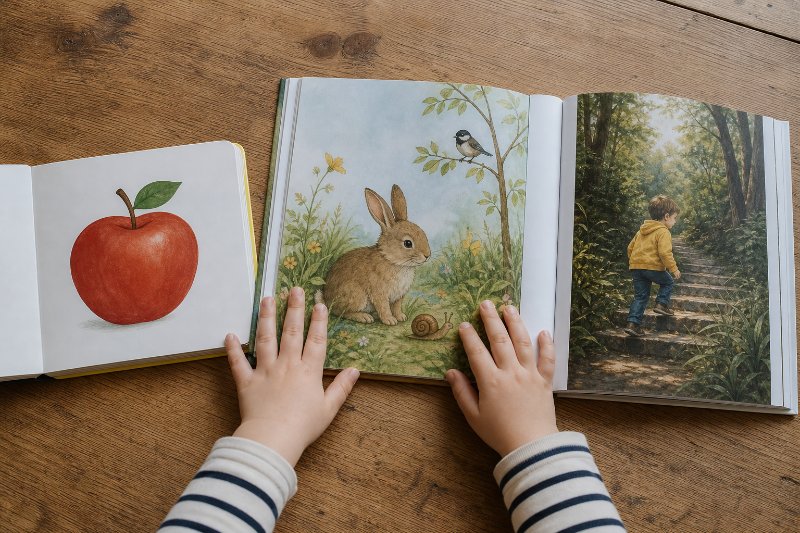
Reading every printed word is not the only way to share a book well. Emotional connection matters more than delivering a flawless performance. Before reading, you might look at the cover and wonder aloud what the character wants. During the story, pause when your child points, reacts, or asks a question. Afterward, allow the experience to end without testing comprehension. A quiet cuddle may be enough. Interactive reading works best when it feels like an invitation. Try comments such as, “He expected something different,” or, “She seems unsure about walking into that room.” These observations leave room for your child to respond without being quizzed. Repeated reading is valuable because your child can notice something new each time. During the first reading, the plot may receive all the attention. Later readings can make space for facial expressions, choices, consequences, or background details. Familiar wording may also give your child confidence to finish a phrase or explain what comes next.
Use Bedtime Stories Without Forcing a Discussion
Bedtime stories offer closeness and predictability, but bedtime may not be the right moment for an extended emotional conversation. A tired child can become more sensitive to questions, even caring ones. Let the book carry most of the emotional weight. If your child makes a personal connection, listen warmly. If not, keep the ending calm and familiar. You can return to the topic during breakfast, drawing time, or a walk. For rainy evenings in Portland, Oregon, a familiar story can create a reassuring transition from active play to rest. Soft lighting, an unhurried voice, and a consistent closing phrase can support the reading atmosphere without making the routine complicated.
Connect Stories to Life Gently
Avoid using a character as a disguised correction. Saying, “See, that character shared, so you should too,” can make a child feel that storytime is another behavior review. Instead, stay curious. You might wonder whether sharing was difficult for the character or ask what another solution could have been. If a similar situation arises later, you can briefly recall the story: “This reminds me of how the bear felt when the blocks were taken.” Your child can accept or reject the connection. This approach preserves emotional safety. It communicates that books are places to think together, not tools for catching mistakes.
Questions Parents Often Have About Emotional Kids’ Books
Should Every Story Teach a Clear Lesson?
No. A library made entirely of message-driven books can feel heavy. Children also need playful language, absurd situations, wonder, and stories that invite imagination without explaining a moral. Even books without an obvious emotional theme can support empathy and conversation. A character making an unusual choice may inspire your child to consider motives, consequences, or another point of view. The emotional value often comes from the conversation surrounding the story.
What If Your Child Will Not Answer Questions?
Silence does not mean the reading has failed. Your child may be processing internally, enjoying the sound of your voice, or protecting a feeling that is not ready for words. Reduce questions and offer observations instead. You can also invite nonverbal responses by asking your child to point to the worried face or show how a character might stand. If resistance continues, return to simple shared enjoyment. Connection should remain more important than extracting an answer.
Can Books Replace Professional Support?
Stories can support emotional vocabulary, parent-child connection, and everyday coping practice, but they do not assess or treat health concerns. Consider speaking with a qualified professional when emotional or behavioral difficulties are intense, persistent, worsening, or interfering with sleep, learning, relationships, safety, or daily family life. Parenting content and social-emotional learning resources can complement appropriate care. They should not place the full responsibility for emotional change on a child or a book.
Why Your Reading Relationship Matters
The lasting value of kids’ books is not limited to the message printed on the page. It also comes from the experience of being close to a trusted adult who listens, wonders, and accepts emotion without alarm. Through gentle storytelling, you show your child that big feelings can be approached rather than feared. You also demonstrate that uncertainty is allowed. You do not need to interpret every illustration correctly or produce a solution to every fictional problem. Over time, these shared moments can create a family language for emotions. A familiar character may become shorthand for needing courage, taking a pause, or trying once more. That language supports resilience because it gives your child accessible ways to understand an experience while staying connected to you.
Build a Library That Feels Like Home
The best home collection is not the largest or most expensive. It is one your family returns to with affection. Choose children’s stories with emotional variety, relatable challenges, respectful adult responses, and enough warmth to make rereading enjoyable. Then let conversation grow naturally from the page. From Portland, Oregon, Zebra Baby offers children’s emotional learning books, bedtime stories, parenting content, and emotionally supportive learning moments designed to nurture confidence and connection.
When you want a story that helps your child feel safe, understood, and proud of who they are, explore the warm storytelling and emotional learning resources available online. You can also browse the paperback series on Amazon and choose a book that speaks to the feelings your child is beginning to express.
Disclaimer: Zebra Baby content is created for educational and storytelling purposes only and is not a substitute for professional medical, mental health, or therapeutic advice.
The Zebra Baby series helps children feel safe, confident, emotionally understood, and proud of who they are through warm, relatable storytelling and emotionally supportive learning moments. You can also browse the Zebra Baby paperback series on Amazon and choose a story that speaks to the feelings your child is learning to express.
Related Articles
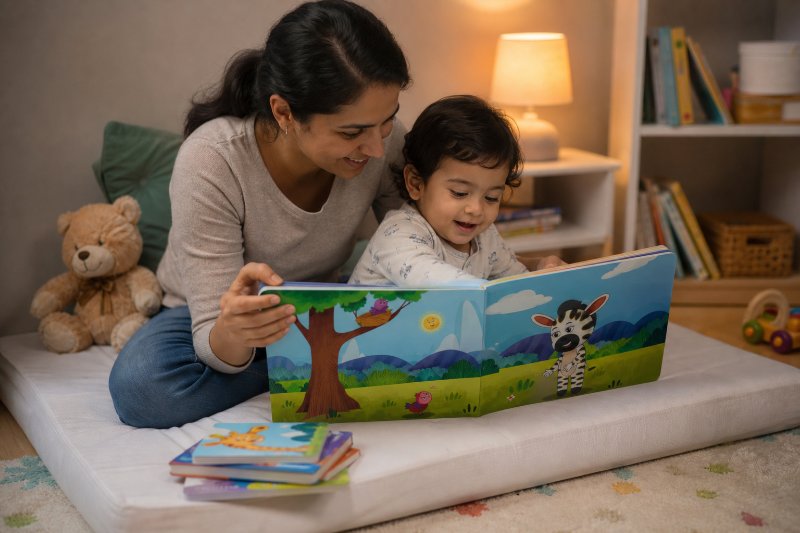
Best Books to Read to Toddlers that Build Language Skills
The best books to read to toddlers match their attention span, invite active participation, and feel emotionally safe, because simple favorites read again and again build language, confidence, and connection.

How to Help a Highly Sensitive Child Feel Understood
Highly sensitive children build resilience not by suppressing big feelings, but by feeling safe and understood first, then practicing recovery after overwhelm through steady, supportive connection.

How to Talk About Big Emotions Without Shutting Kids Down
Validating a child’s feelings does not mean giving in or excusing hurtful behavior. Naming the emotion while holding the boundary helps children build safer self-expression and resilience.