What Are the Best Books for Kids in 2026?
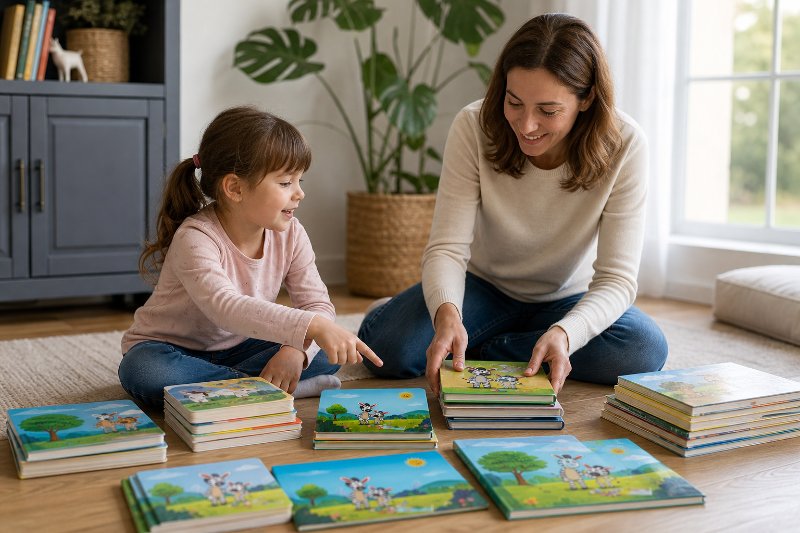
The biggest mistake is choosing books by age label or popularity alone. The strongest picks match a child’s stage, interests, and emotions, helping reading grow alongside confidence and resilience.
Gentle parenting insights, emotional learning support, behind-the-scenes Zebra Baby updates, and calming resources for families and educators.

The biggest mistake is choosing books by age label or popularity alone. The strongest picks match a child’s stage, interests, and emotions, helping reading grow alongside confidence and resilience.
Parenting support, emotional learning, and gentle stories for growing hearts.

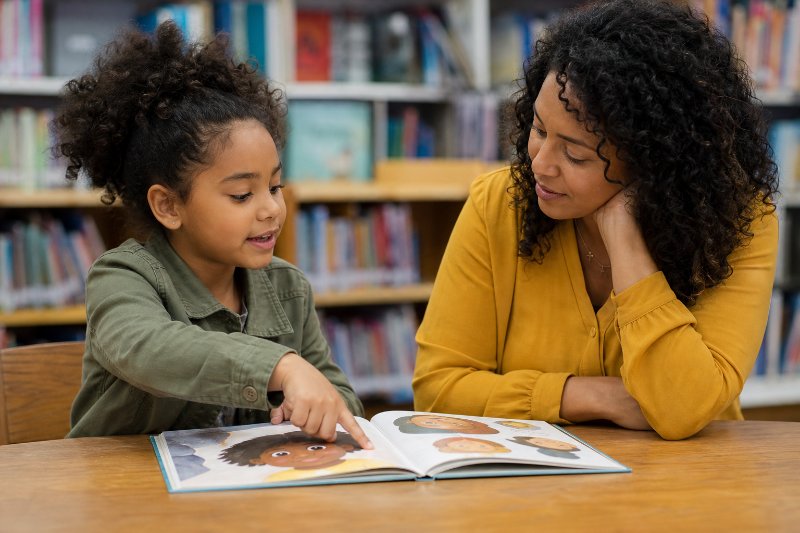
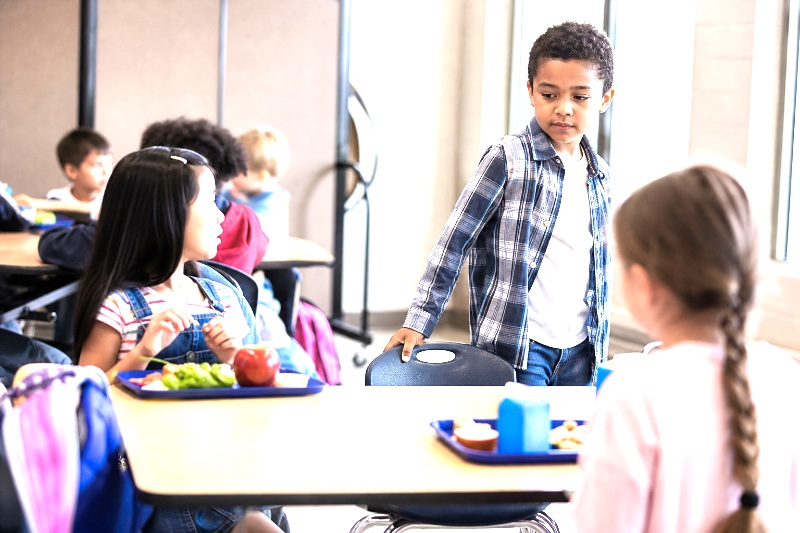
SEL stories work best when they give elementary students a safe way to talk about hard moments through characters first. The right book can turn frustration, friendship troubles, and school-day stress into calmer conversations at home.

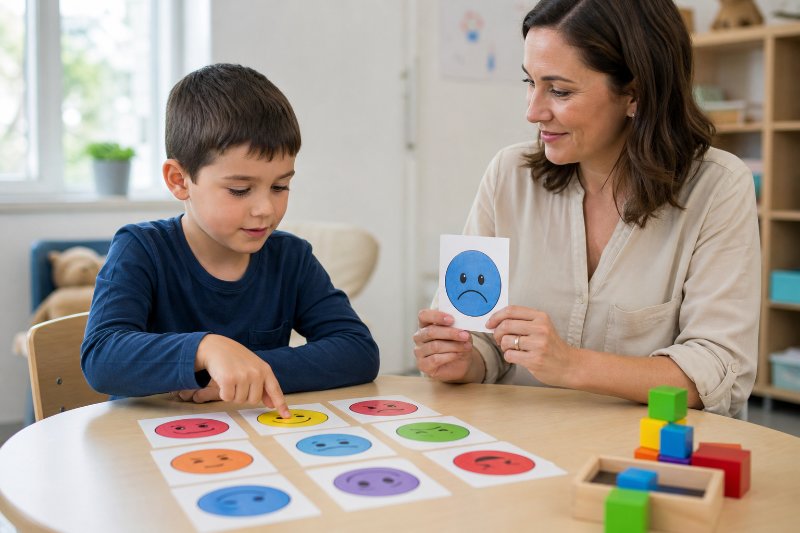
SEL books work best as conversation starters, not quick fixes. Used with patient read-alouds and a few thoughtful questions, they help children name feelings, practice empathy, and talk through hard moments.

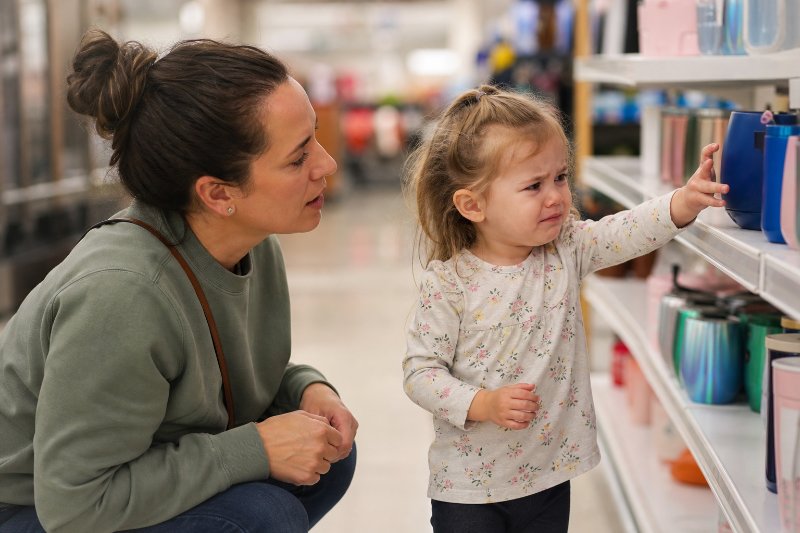
Big changes can trigger clinginess, tears, tantrums, or sudden regressions, even when the event is positive. The article shows how steady routines, simple choices, and calm repetition help children regain a sense of control.

Stories give children a safe way to practice compassion by watching characters feel left out, worried, or hurt, then seeing kindness and repair in action. That emotional rehearsal helps empathy grow more naturally than direct instruction alone.

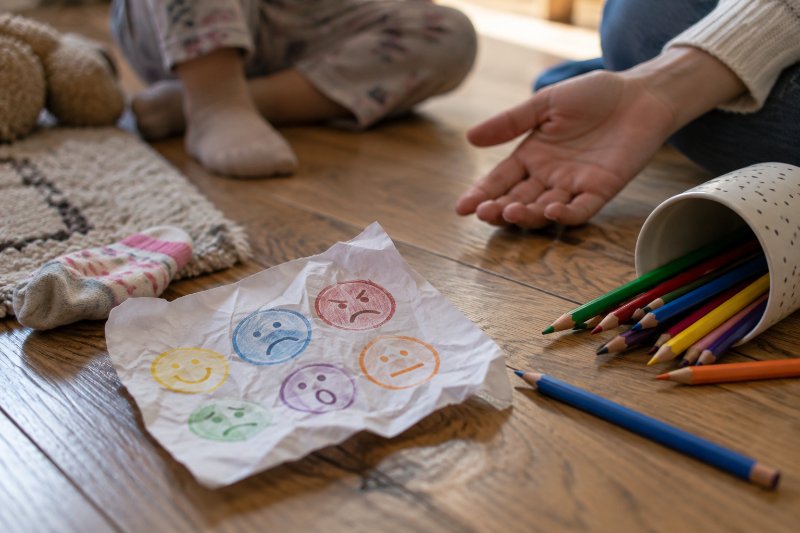
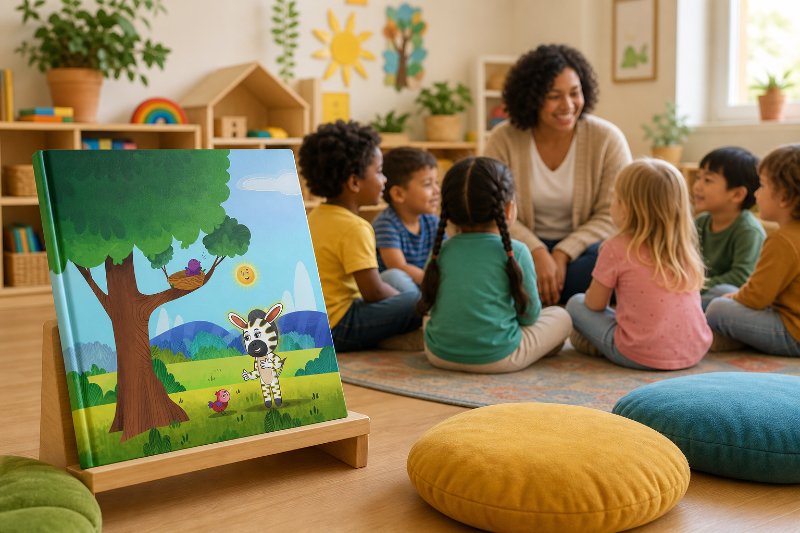
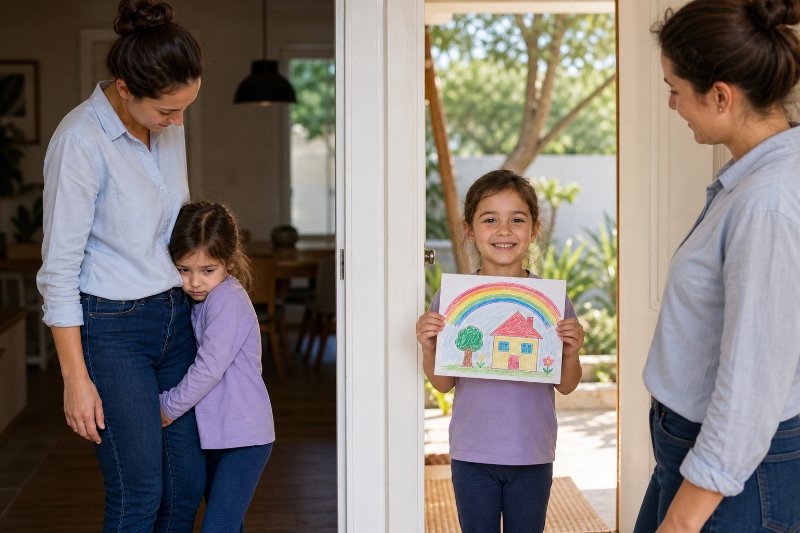
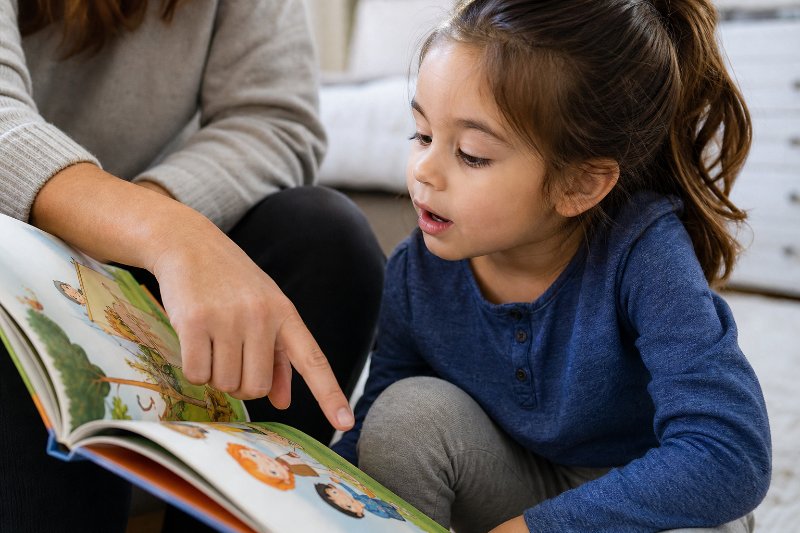
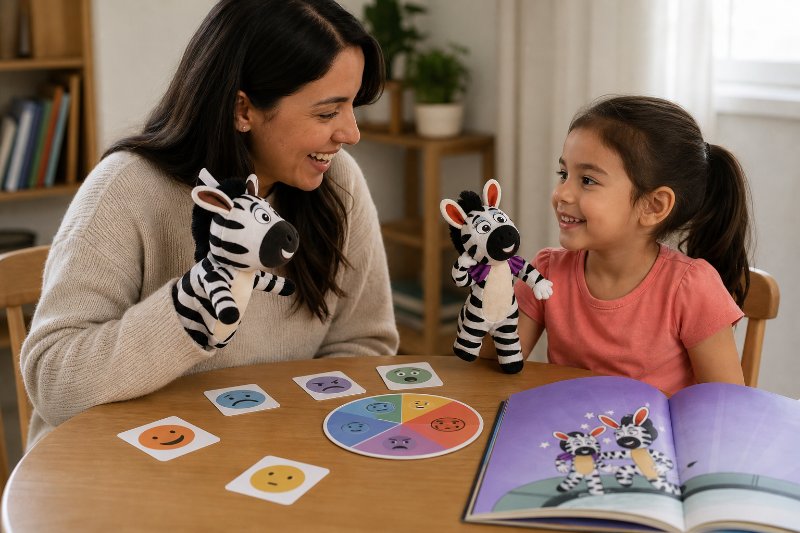
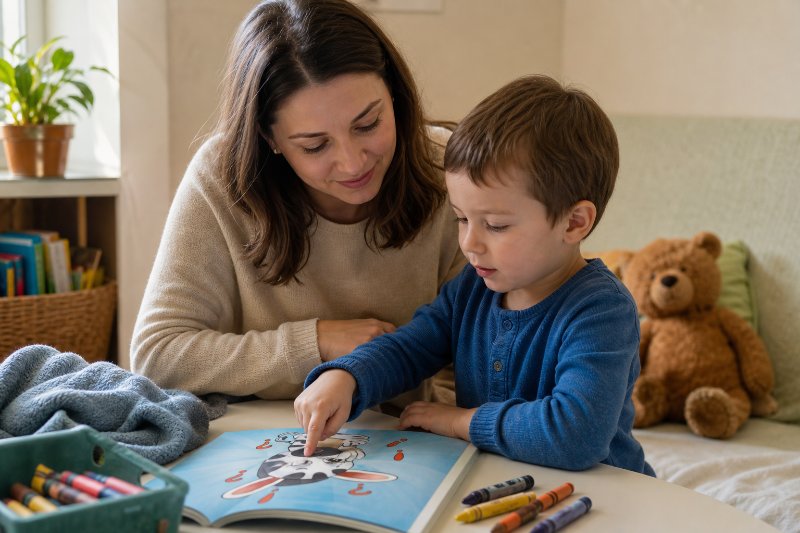
Storytime sticks when children act out, draw, or talk through a character’s feelings after the book ends. Those simple follow-ups turn a picture book into real practice with naming emotions, empathy, and self-expression.

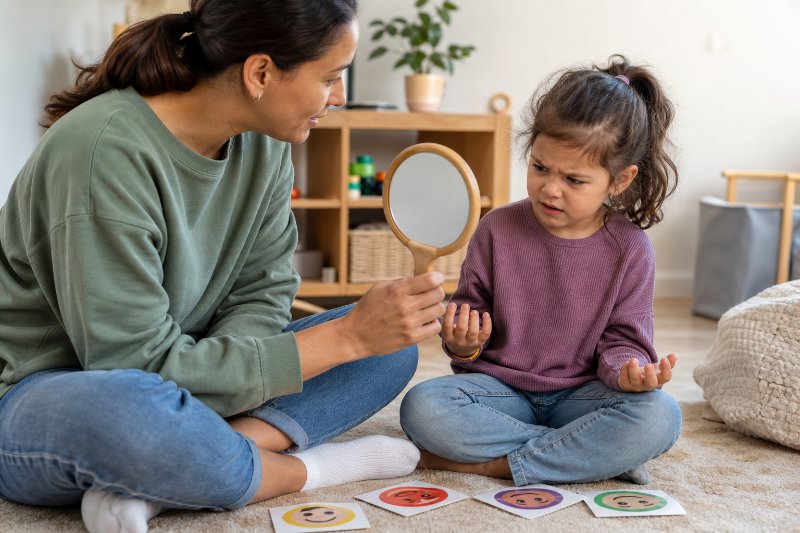
Simple, repeated moments at home, during meals, cleanup, or bedtime, give young children the words for big feelings before those feelings turn into tears, grabbing, or shutdowns.

Portland families can use simple supports at home, from school readiness and literacy tools to bedtime stories that build emotional language. The biggest payoff is calmer routines and a child who can start naming big feelings instead of acting them out.

Stories can give young children the words for big feelings, turning tears, fear, and frustration into naming, calming, and repair. In Portland, social emotional learning books are most useful when they make emotional practice feel safe and familiar.

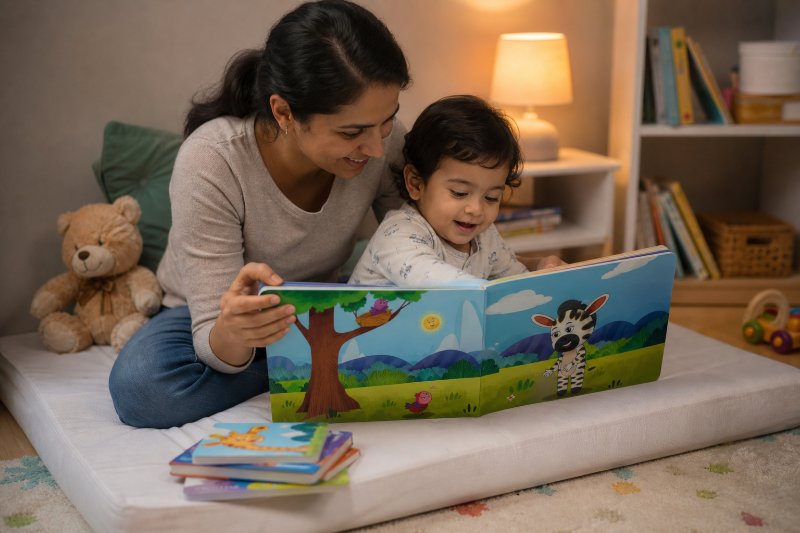
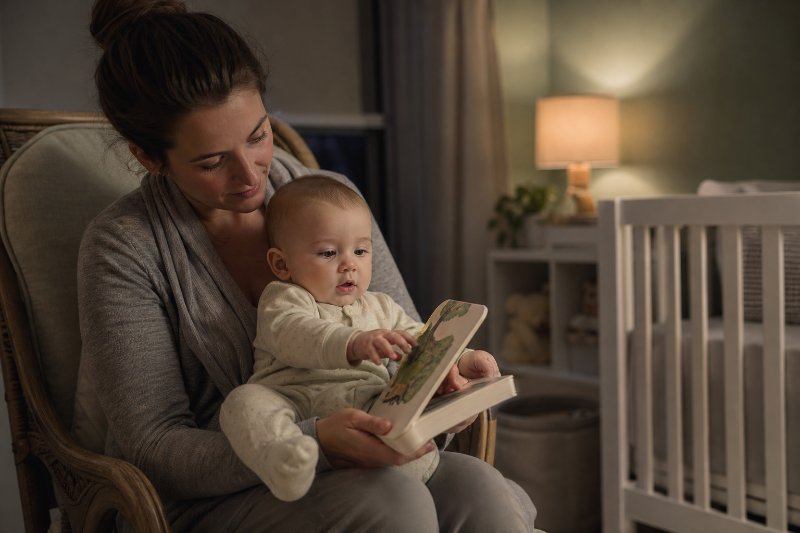
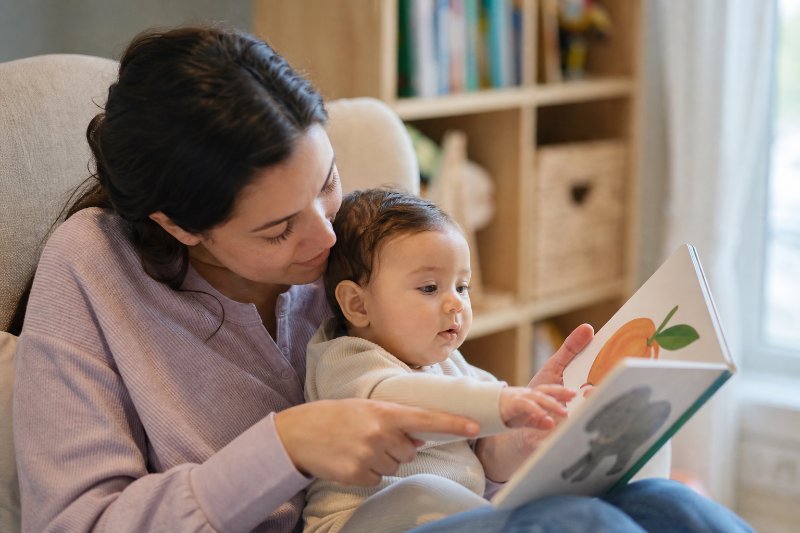
The biggest mistake is choosing baby books that teach facts but skip feelings. Stories with repetition, comfort, and simple emotional language help babies and toddlers recognize what they feel and build trust at bedtime.

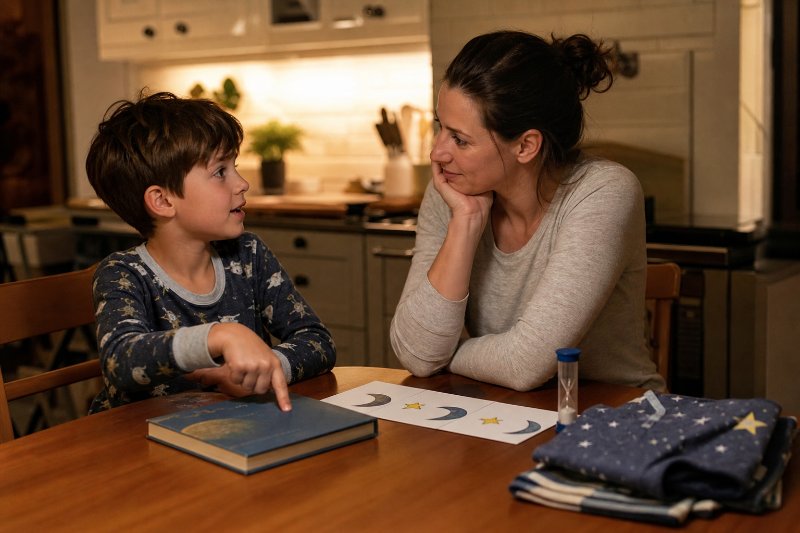
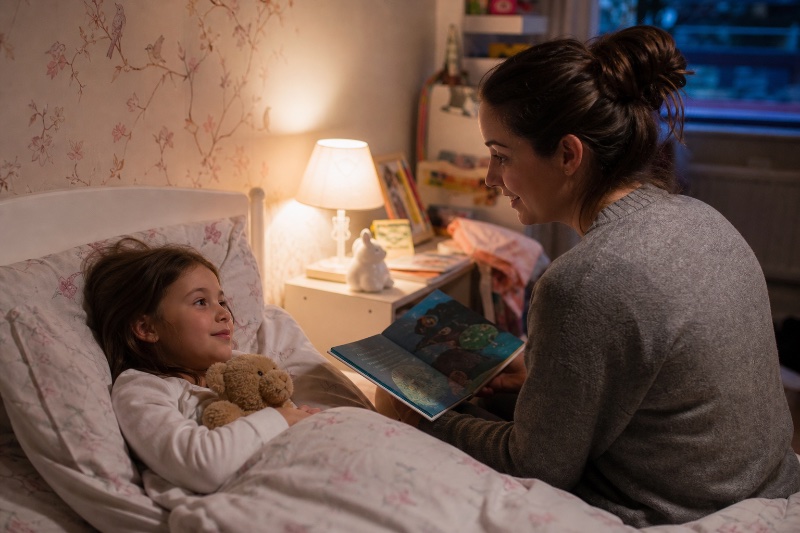
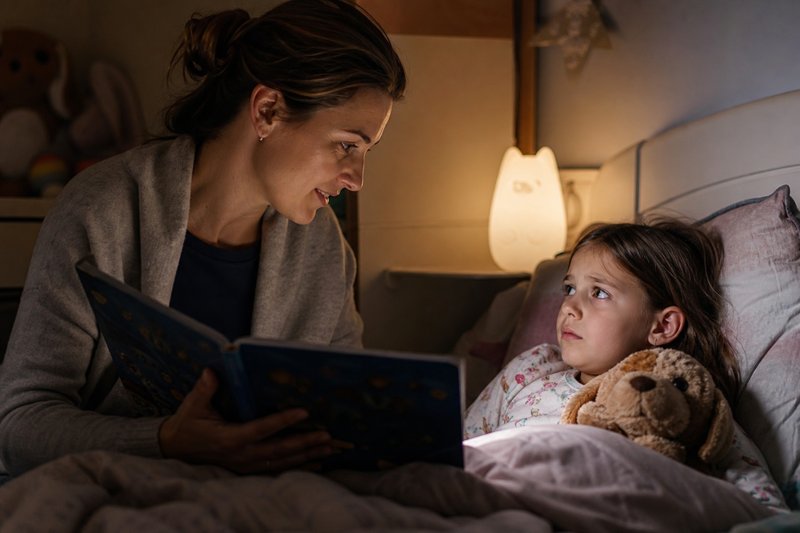
Bedtime stories work best when one clear feeling takes center stage, like worry, anger, or sadness. The right children's books make big emotions easier to name and discuss, without overwhelming a child at the end of the day.
A gentle hello from Kelly: why these stories exist, and how to use them when big feelings show up at home.
Join the Zebra Baby community for future stories, gentle parenting insights, emotional learning content, and upcoming releases.
Occasional emails. Written warmly.
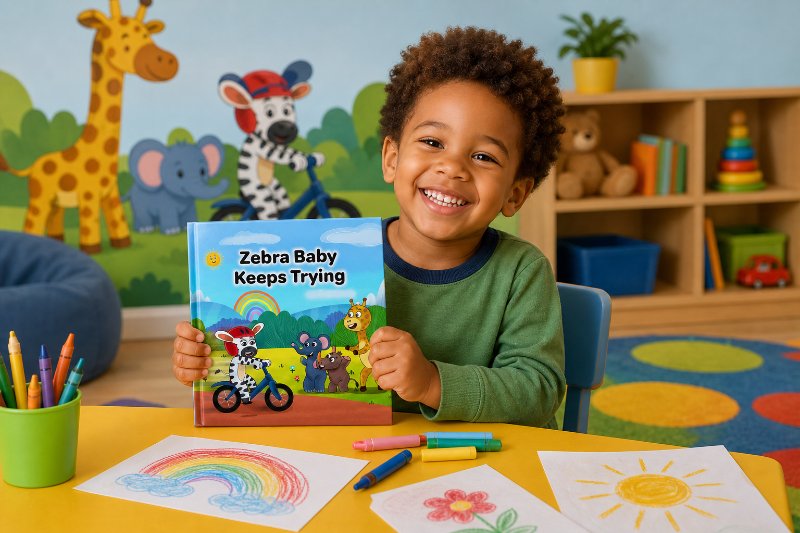
Learn more about the newsletterExplore the Zebra Baby emotional learning series, trusted by parents and educators.