
The Baby Books Mistake Portland Parents Make
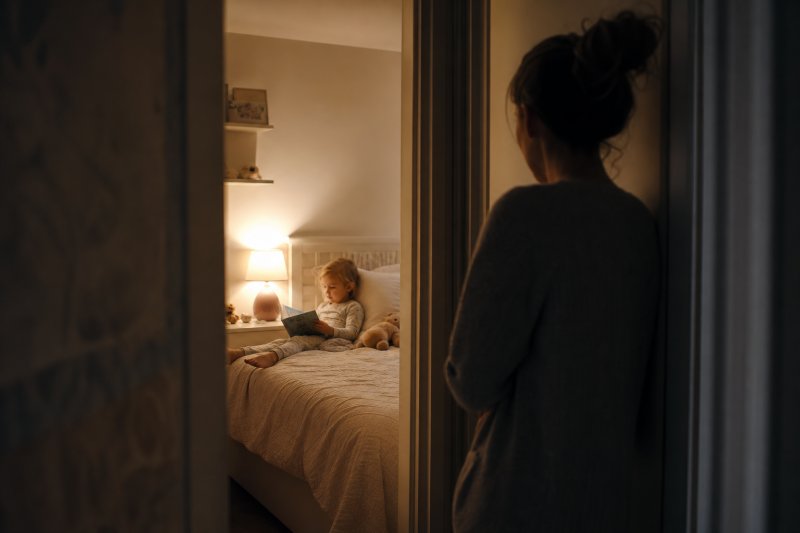
When your baby or toddler reaches for the same book night after night, something meaningful is happening. The rhythm of your voice, the comfort of familiar pictures, and the quiet pause before sleep all become part of how your child learns safety, connection, and expression. For families in Portland, Oregon, where rainy evenings often invite slower indoor routines, baby books can become more than a sweet habit. They can become a steady way to help early childhood feelings find words.
At Zebra Baby, the heart of the work is emotional learning through gentle storytelling. Parents often wonder which stories actually support confidence, resilience, and emotional safety, especially before children can fully explain what they feel. The answer is not simply “more books.” It is choosing stories that meet young children where they are, with warmth, repetition, and room for big feelings.
This kind of reading is not about teaching a lesson with pressure. It is about building parent-child connection in small, repeatable moments. A cozy lap, a soft voice, and a character who feels nervous, brave, sad, proud, or calm can give your child an early map for self-expression.
What Makes Baby Books Emotionally Meaningful?
Many early books focus on colors, animals, first words, or bedtime routines. Those are valuable, especially for language growth. But emotionally supportive stories add another layer. They help children notice what happens inside their bodies and hearts. A character may feel overwhelmed by noise, miss a caregiver, struggle to share, or calm down after a hard moment. Your child may not fully understand every idea yet, but they begin to recognize emotional patterns.
The best baby books for emotional learning are simple without being empty. They use clear feelings, gentle pacing, and images that invite conversation. A baby may point at a crying face. A toddler may say, “sad,” or lean closer when a character receives comfort. These small responses matter. They show that your child is beginning to connect a feeling with a word, a face, and a caring response.
Why Feelings Belong in Early Reading
Children do not wait until preschool to feel deeply. Babies and toddlers experience frustration, joy, fear, surprise, jealousy, pride, and comfort long before they can explain those feelings. A story gives you a soft way to reflect those emotions without making your child feel corrected or examined.
For example, instead of saying, “You need to calm down,” a story can show a young character who feels too full of noise and then finds comfort with a trusted grown-up. Your child can observe that feeling from a safe distance. This is one reason Children’s emotional learning books can be so helpful. They create emotional safety because the feeling belongs to the character first, which makes it easier for your child to explore.
How Repetition Builds Confidence
Reading baby books repeatedly may feel tiring to you, especially when your child asks for the same page again and again. But repetition is deeply reassuring. Young children learn through familiar patterns. They begin to predict what will happen next, and that prediction builds confidence.
When a story repeats a comforting phrase, your child may eventually say it with you. When a character returns to calm after a difficult feeling, your child sees that emotions can move and change. This is the quiet foundation of emotional regulation support for young children. It does not require long explanations. It grows through repeated experiences of being seen, soothed, and supported.
What to Look For When Choosing Baby Books
You do not need a large library to support emotional learning. A small shelf of carefully chosen stories can be more powerful than dozens of books that do not fit your child’s stage. When choosing baby books, think about how the story feels in your body as you read it. Does it invite closeness? Does it leave room for questions? Does it treat feelings with respect?
Warm Language and Simple Emotional Truths
Young children need language that is clear, kind, and concrete. A strong story might use phrases such as “I feel worried,” “I want to try,” or “I need a hug.” These words help children build a feeling vocabulary. Over time, that vocabulary can reduce frustration because your child has more ways to communicate what is happening inside.
Avoid stories that shame normal emotions or rush a child toward happiness too quickly. Sadness, anger, nervousness, and disappointment are not problems to erase. They are human feelings to understand. A useful story shows that big feelings can be held with care, not hidden away.
Pictures That Invite Connection
Before children read words, they read faces, gestures, and tone. Illustrations are central to emotional learning because they show what a feeling can look like. A curled body, wide eyes, clasped hands, or relaxed shoulders can become part of your child’s emotional understanding.
As you read, you can pause and say, “Look at their face. What do you think they feel?” Your child may answer with a word, a sound, a point, or a facial expression of their own. All of those responses count. This gentle exchange supports self-expression without turning storytime into a test.
Stories That Match Your Family’s Rhythm
Some families read after breakfast. Others read before nap, during a quiet afternoon, or as part of bedtime stories. The best time is the time you can repeat with warmth. In Portland, Oregon, many parents find that darker winter afternoons and long rainy stretches make story rituals especially grounding. Books can help mark the shift from active play to calm connection.
If your child is highly active, choose short stories with rhythmic lines. If your child is sensitive to separation, look for stories that include returning, reassurance, or a loving goodbye. If your child resists sleep, choose bedtime stories with soft pacing, low emotional intensity, and a comforting ending.
How to Use Stories for Emotional Learning at Home
Reading for emotional growth does not require a formal lesson. Your voice and presence are already powerful. The goal is to make storytime feel safe, connected, and open enough for your child to wonder, point, ask, or simply rest against you.
Read Slowly Enough for Feelings to Land
It is easy to read quickly, especially when you are tired. But emotional moments need space. Pause when a character feels scared or proud. Let your child look at the picture. You might say, “That was a big feeling,” and then continue. This small pause tells your child that feelings are worth noticing.
You do not need to explain every page. In fact, too much talking can interrupt the warmth of the story. A few caring comments are enough. The story itself can carry much of the teaching.
Connect the Story to Your Child’s World
After reading, you might gently connect the character’s feeling to something familiar. “They felt nervous at goodbye. Sometimes goodbyes feel hard for you too.” Keep your tone warm and matter-of-fact. This helps your child feel understood without feeling singled out.
Social-emotional learning resources often work best when they are woven into ordinary life. A story about waiting can support a moment in the grocery line. A story about anger can help after a toy is grabbed. A story about trying again can encourage confidence when blocks fall down. The book becomes a shared language you can return to throughout the day.
Let Your Child Lead Sometimes
Your child may skip pages, repeat one picture, close the book early, or ask for the same scene again. This is not failure. It is participation. Young children often return to the part of a story that feels most important to them.
If they linger on a worried character, stay there for a moment. If they laugh at a silly expression, join them. Emotional learning includes joy, play, and relief, not only hard feelings. Your child’s baby books can become a place where many emotional colors are welcome.
Misconceptions About Emotional Learning Stories
Some parents wonder whether stories about feelings might make children more emotional. In practice, naming feelings usually does the opposite. When children have words and images for what they feel, those emotions become less mysterious. A feeling that can be named can often be shared more gently.
Another misconception is that babies are too young for emotional storytelling. While infants may not understand the full meaning of a plot, they are deeply tuned in to your face, tone, and rhythm. They learn that books are connected with closeness. They also begin to absorb the sounds of comfort, reassurance, and expression.
Parents may also worry that emotional books must be serious or heavy. They do not. Gentle storytelling can be tender, light, and beautifully simple. A character can feel shy and still discover play. A bedtime story can include worry and still end with warmth. The goal is not to make every book a lesson. The goal is to help children feel emotionally understood.
It is also worth saying that books do not replace your relationship. They support it. Parenting content, children’s book series, and emotional learning tools work best when they help you feel more connected to your child, not more pressured. If a story gives you one helpful phrase during a hard moment, that is meaningful.
zebra baby books emotional learning series
Disclaimer: Zebra Baby content is created for educational and storytelling purposes only and is not a substitute for professional medical, mental health, or therapeutic advice.
Related Articles
Bedtime Stories Teach Emotional Regulation
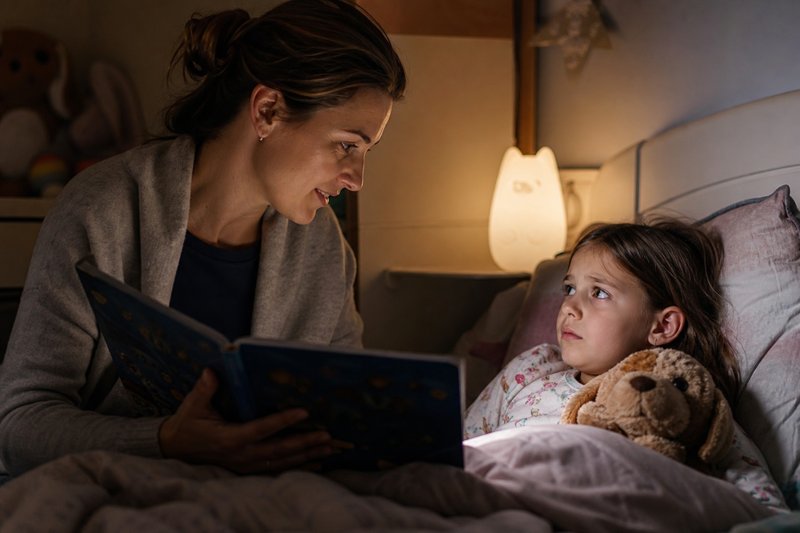
Bedtime stories work best when one clear feeling takes center stage, like worry, anger, or sadness. The right children's books make big emotions easier to name and discuss, without overwhelming a child at the end of the day.
Welcome to the Zebra Baby Blog
A gentle hello from Kelly: why these stories exist, and how to use them when big feelings show up at home.