

How to Choose Emotionally Supportive Bedtime Stories for Kids in Portland
Kelly Anderson
A bedtime book can become much more than part of the evening routine. It may give your child a safe place to name jealousy, worry, anger, courage, or disappointment before the lights go out. Yet with crowded bookshelves and endless online choices, finding stories that match your child’s age and emotional needs can feel surprisingly difficult. For families across Portland, Oregon, the best choice is not necessarily the longest book, the prettiest cover, or the story with the biggest promise. Useful Portland bedtime stories for kids combine an engaging plot with emotionally safe language, relatable challenges, and room for parent-child connection. Zebra Baby creates stories and learning materials with that purpose in mind. This article takes a practical provider-selection angle. You will learn what an emotional learning book provider should offer, which questions deserve clear answers, what warning signs to notice, and what you can reasonably expect from thoughtfully created resources.
What Families Should Know About Emotionally Supportive Bedtime Books
Children often bring unfinished feelings into the evening. A disagreement, separation, embarrassing moment, or unfamiliar experience may return once the house becomes quiet. A story gives those feelings a little distance. Your child can think about what happened to a character without immediately having to explain their own experience. That distance matters. “Why do you think the bear hid?” may feel easier to answer than “Why did you hide at school?” A character becomes a gentle bridge between an internal feeling and spoken self-expression. Research offers encouraging support for shared reading. A recent study reported improvements in cognitive empathy, total empathy, creative fluency, and creative originality among participating children following a daily bedtime reading ritual. The researchers also noted that the findings came from a particular study design and sample, so they should not be treated as a promise for every child. You can read the details in the published bedtime reading study indexed by PubMed.
Active conversation adds emotional value
The book itself is only part of the experience. Your tone, pauses, facial expressions, and questions help your child connect a fictional event with emotional meaning. Instead of testing comprehension, invite reflection:
“What do you think that feeling is called?”
“Where might the character feel it in their body?”
“What could help them feel safe?”
“Did anything like that happen to you recently?”
“Would you make the same choice, or try something different?”
Your child does not need to answer every question. Silence, pointing, acting out a scene, or asking to hear the same page again can all be meaningful forms of participation. Research on interactive book reading and journaling has also found positive effects on preschoolers’ emotion regulation skills. That study paired shared reading with reflective activity, which means its findings should not be reduced to “any book automatically teaches regulation.” The fuller findings are available through Early Childhood Education Journal’s study of shared reading and journaling.
Emotional learning should feel natural, not instructional
Children’s emotional learning books work best when the lesson grows from the character’s experience. Your child should be able to care about what happens, recognize the problem, and see an emotionally healthy response without feeling as though they are listening to a lecture. Strong bedtime stories for Portland kids might explore trying again after a mistake, speaking kindly to oneself, asking for help, coping with change, or feeling proud of an individual quality. These themes support emotional learning while preserving the comfort and imagination that make bedtime reading inviting. A story can model a helpful response, but it should not imply that every uncomfortable emotion disappears quickly. Emotional regulation support for young children is more honest when it shows that feelings can remain present while a child breathes, seeks comfort, uses words, pauses, or makes a new choice.
How to Choose a Children’s Emotional Learning Provider
A trustworthy provider should understand both storytelling and early childhood emotional development. You are not simply buying a message printed between two covers. You are choosing language and images that may become part of how your child understands themselves.
Look for respect toward children’s emotions
Read a sample page or book description and notice how the story treats difficult behavior. Does it make the child character seem shameful, manipulative, or intentionally troublesome? Or does it recognize that behavior often communicates a need, feeling, or developing skill? Gentle storytelling does not mean removing boundaries or pretending that every action is acceptable. It means separating the child’s worth from the choice. A character can repair a mistake and remain lovable. They can feel angry without being labeled an angry child. They can need reassurance without being portrayed as weak.
Match the book to the child, not only the age range
Publisher age recommendations are useful starting points, but children of the same age can respond very differently. Consider your child’s language, attention, sensitivity, interests, and current concerns. For a child who is hesitant to discuss feelings, a simple plot and expressive illustrations may create an easy opening. A child who already uses detailed emotional words may enjoy a more layered conflict. If your child is going through a tender period, review whether the story resolves its central tension with enough safety and reassurance. Well-designed Portland children’s bedtime stories should also work when read repeatedly. Young children often request familiar books because knowing what comes next can feel comforting. Repetition gives them another opportunity to notice facial expressions, remember useful words, and anticipate how a character responds.
Consider the provider’s full range of support
A strong emotional learning brand may offer more than individual bedtime stories. Look for connected social-emotional learning resources, parenting content, discussion prompts, and a children’s book series with consistent emotional values. Consistency helps you reinforce an idea in different moments. A story about perseverance might support a conversation after a block tower falls. A book about self-belief might give you language to use before a new activity. The goal is not to turn every interaction into a lesson. It is to have familiar words available when big feelings arise.
Questions to Ask Before Choosing a Story or Series
Clear questions can help you distinguish thoughtful resources from books that merely use emotional learning language in their marketing.
What does the story help a child practice?
Look beyond a broad statement such as “teaches confidence.” Ask what confidence looks like within the plot. Does the character speak up, accept an imperfection, attempt something unfamiliar, or recover after a setback? A concrete emotional action is easier for a child to understand than an abstract promise. You can also ask whether the story includes coping strategies. These might include naming a feeling, seeking support, slowing the body, expressing a need, trying again, or repairing a relationship. The strategy should fit naturally into the story rather than appearing as an unrelated instruction.
Does the provider make realistic claims?
Books can support empathy, emotional understanding, connection, and reflection, but they do not guarantee a particular behavioral result. Be cautious if a provider promises that one story will stop tantrums, remove anxiety, or create immediate obedience. Current research is promising, but some studies involve small or culturally specific samples, and broader replication is still needed. Trustworthy providers leave room for individual differences and present books as supportive tools rather than replacements for professional care.
Will this story work aloud at bedtime?
Portland bedtime story resources for kids should be pleasant to read, not merely useful on paper. Preview the rhythm and length when possible. Look for language that feels natural in your voice, illustrations your child can follow, and a closing tone that suits the evening. A sleep-health education protocol published in 2026 describes a developmentally appropriate, culturally adapted bedtime book featuring families from diverse backgrounds. Its focus is broader than selecting a commercial story, but it reinforces the value of age-aware and culturally considerate bedtime materials. Details are available in the Frontiers sleep-health education protocol.
Warning Signs That a Book May Not Be the Right Fit
A polished cover cannot compensate for emotionally unsafe messaging. Pause before purchasing if a story relies on humiliation, ridicule, fear of abandonment, or affection being withdrawn until a character behaves correctly. Other concerns include emotional lessons that are too vague to identify, adult language placed unrealistically in a young character’s mouth, and endings that rush past repair. A child who hurts someone does not need endless punishment, but the story should acknowledge impact and show a meaningful response. Be careful with books that present calmness as the only acceptable state. Emotional safety includes permission to experience sadness, frustration, excitement, fear, and uncertainty. The healthier message is not “good children stay calm.” It is “all feelings can be acknowledged, and you can learn safe ways to respond.” Representation deserves attention as well. Children benefit from seeing varied families, appearances, personalities, abilities, and ways of communicating presented with dignity. Inclusion should feel like part of the story’s world, not a decorative claim. Finally, notice your own reaction while reading. If you feel pressured to explain away harsh wording or soften the story’s message on every page, another book may serve your family better.
What to Expect From a Professional Emotional Learning Brand
Working with a professional provider usually begins with clear information. You should be able to understand the intended age range, central emotional theme, story format, and available editions before purchasing. Descriptions should help you decide whether a book fits your child without overstating expected outcomes. You can also expect intentional language. In strong Portland bedtime stories for children, characters have emotions without being defined by them. Challenges are understandable, coping responses are achievable, and the resolution supports resilience rather than perfection. A connected series may introduce recurring values across different situations. One book might center on persistence, while another supports self-acceptance or expressing a need. Familiar storytelling patterns can make new emotional ideas feel approachable without repeating the same plot. Professional resources should support your role rather than prescribe one rigid reading method. Some evenings, your child may want conversation. On others, they may simply want to hear your voice and rest beside you. Both experiences can nurture parent-child connection. You should not expect instant changes after one reading. Emotional learning develops through relationships, language, practice, and repeated experiences. A book may give your child a phrase they use later, or it may quietly shape how they recognize a feeling over time. Progress can be subtle and still matter.
Choosing Stories That Can Grow With Your Family
The most useful book is one your child wants to return to and you feel comfortable sharing. Prioritize emotional respect, age-appropriate language, relatable challenges, and practical opportunities for conversation. Ask what the story models, review its claims carefully, and pay attention to how your child responds. For local Portland families seeking warm stories grounded in confidence, resilience, and self-expression, Zebra Baby offers children’s emotional learning books, bedtime stories, parenting content, and supportive social-emotional learning resources designed for shared reading.
A familiar story can become a reassuring place where your child feels safe, emotionally understood, confident, and proud of who they are. Explore the books and family resources on the children’s emotional learning website, then browse the paperback children’s book series on Amazon to choose a story that speaks to the feelings your child is beginning to express.
Disclaimer: Zebra Baby content is created for educational and storytelling purposes only and is not a substitute for professional medical, mental health, or therapeutic advice.
Sources
Related Articles
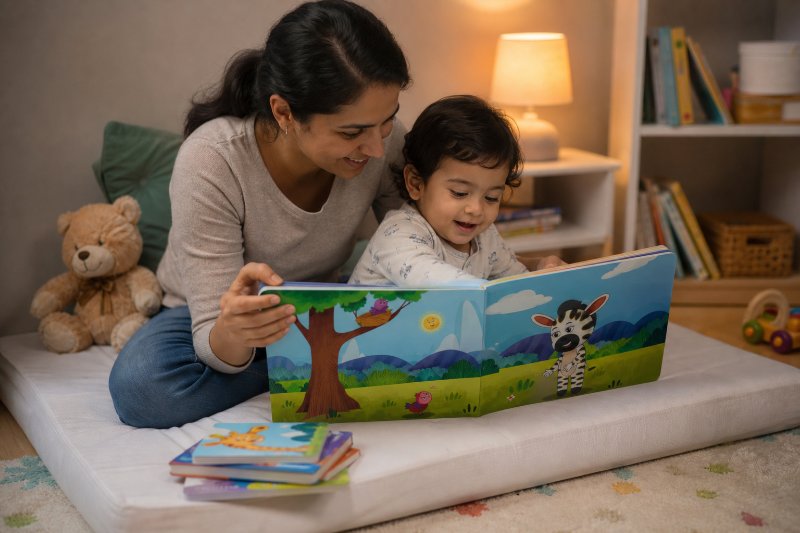
Best Books to Read to Toddlers that Build Language Skills
The best books to read to toddlers match their attention span, invite active participation, and feel emotionally safe, because simple favorites read again and again build language, confidence, and connection.
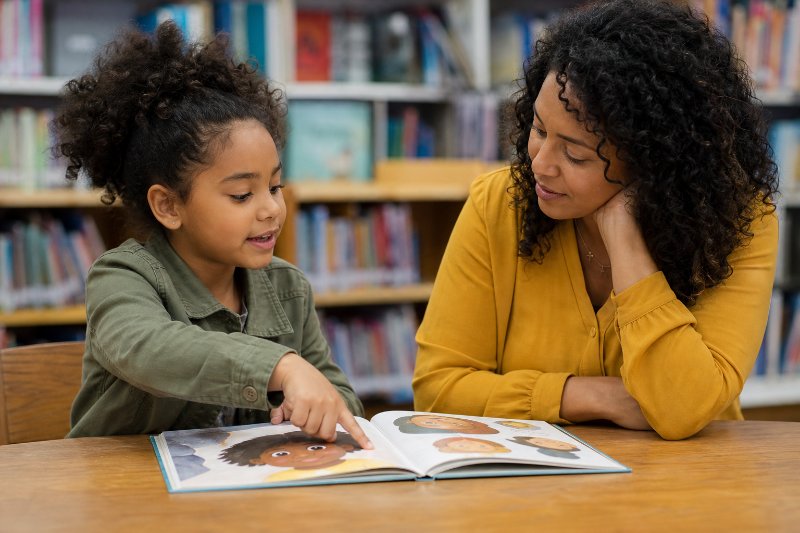
How Social Emotional Learning Books Help: An Honest FAQ
Social-emotional learning books build emotional skills through repeated reading, play, and supportive conversation, not as stand-alone behavior fixes. Progress often appears gradually in words, choices, and connection.
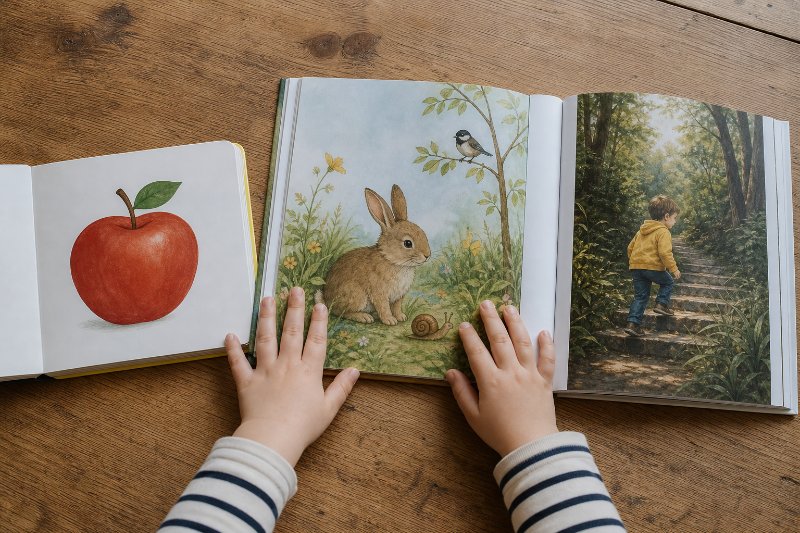
Books For Kids With Big Feelings
Some books entertain beautifully but offer little help with feelings. Others sound educational yet fail to hold a young listener’s attention. You need stories that feel warm and engaging while giving you natural openings for meaningful conversation.