

How To Choose The Best Emotional Learning Books for Kids
Kelly Anderson
When you stand in front of a shelf of children’s books, the choices can feel beautiful, hopeful, and a little overwhelming. Bright covers promise friendship, kindness, courage, calm, bravery, and belonging. Some books are silly and sweet. Others try so hard to teach a lesson that the story almost disappears. Somewhere in the middle, you may be asking, “Which books will actually help my child understand feelings, care about others, and feel more confident being themselves?” That question matters. Children do not learn empathy, self-awareness, and emotional literacy from one big conversation. They learn through repeated, safe moments. A character feels left out. A friend says sorry. A child in a story is angry and still loved. A parent pauses and asks, “What do you think she is feeling?” Over time, these gentle story moments give children words for what is happening inside them. Choosing emotional learning books is not about finding a book that “teaches” your child to behave. It is about choosing stories that help your child feel seen, secure, and curious about emotions, both their own and other people’s.
Why Emotional Learning Books Matter Right Now
Stories give children a safe place to practice feelings
Young children often feel before they can explain. A preschooler may not say, “I feel embarrassed because I made a mistake.” They may hide, shout, cry, or refuse to try again. Books can offer a gentler way into those feelings because the emotion belongs to a character first. This bit of distance matters. Your child can look at a bear, bunny, zebra, or child in a story and talk about anger, sadness, worry, jealousy, or pride without feeling exposed. A review in Frontiers describes shared book reading as a rich setting for emotional learning, especially when adults pause to talk with children about emotions, motives, and coping strategies through shared book reading and social-emotional competence. That does not mean every story needs a lesson on every page. In fact, children often connect most deeply when the story feels real, warm, and emotionally honest.
Empathy grows through noticing
Empathy begins with noticing. A character’s face changes. Someone’s shoulders slump. A friend speaks in a quiet voice. A child sees that another person can feel something different from what they feel. Picture books are especially helpful because the illustrations carry emotional clues. Research on picture books notes that children can use both illustration and text to identify, name, and recognize characters’ emotions, as described in research on inferring characters’ feelings through picture books. For parents, this means the best emotional learning books are not always the ones with the most explanation. Sometimes, the strongest books leave room for your child to observe, think, and wonder.
Children need books about hard feelings, too
It is natural to reach for books about kindness, friendship, and happiness. Those stories matter. But a strong emotional bookshelf also includes stories about disappointment, fear, frustration, exclusion, shame, grief, and repair. Children deserve to know that hard feelings are not dangerous or wrong. A good book can say, without preaching, “You can feel angry and still be kind. You can feel scared and still try. You can make a mistake and still belong.” That is emotional safety. It helps children build resilience because they are not learning to avoid big feelings, they are learning that they can move through them.
What to Look For Before You Buy
Choose stories before lessons
A book may have a wonderful message, but if the story feels stiff, your child may not want to hear it again. Repetition is part of how emotional learning takes root, so re-readability matters. Look for characters your child can care about. The plot can be simple. A child misses a parent. A friend grabs a toy. A character feels nervous before trying something new. What matters is that the emotional moment feels believable. Books that sound like lectures often tell children what they should feel or do. Stronger books show a character having an experience, making sense of it, and finding a way forward. Your child then gets to think alongside the character instead of being corrected from outside the story.
Look for emotional range, not just happy endings
A comforting ending is helpful, especially at bedtime, but the path to that ending should allow real feelings. A story where sadness disappears too quickly may not help a child who is still sad. A story where anger is treated only as “bad” may make a child feel ashamed of anger instead of learning how to express it safely. As you browse, ask yourself whether the book names feelings in a balanced way. Does it include body clues, such as tight fists, tears, quiet voices, or butterflies in the stomach? Does it show repair after conflict? Does it allow a child character to need comfort without being mocked? The goal is not to make every book heavy. Gentle humor, tenderness, and playfulness can all belong in emotional learning. The key is honesty.
Pay close attention to the adult roles
In books for young children, adult characters often shape the emotional message. Notice how caregivers, teachers, or older family members respond when a character is upset. Helpful adult characters do not need to be flawless. But they should model emotional safety. They listen. They stay calm enough to help. They set limits without humiliation. They offer language, comfort, and repair. If a story uses shame, threats, or rejection as the main way to change a child’s behavior, it may not support the kind of parent-child connection you want to nurture. You can still use imperfect books for conversation, but for regular reading, choose stories that reflect the emotional tone you want your child to absorb.
Include diverse and inclusive stories
Empathy deepens when children see many kinds of people, families, cultures, bodies, abilities, and ways of living. Inclusive books help children recognize both sameness and difference. They can see, “That child feels nervous like I do,” while also learning, “That family’s routines are different from ours, and that is okay.” For children from underrepresented communities, representation can support belonging and pride. For children who rarely see lives different from their own, diverse stories gently widen their understanding of the world. When choosing inclusive books, look for stories where identity is respected, not treated as a problem to solve. The character should be fully human, with feelings, interests, relationships, and the ability to make choices.
Consider wordless picture books
Wordless books can be powerful tools for emotional literacy because they invite children to interpret what is happening. Without written text directing every thought, your child can study faces, gestures, space between characters, colors, and pacing. Research on wordless picture books describes how visual narratives can allow children to interpret emotions and make meaning through the story, as explored in a study of children’s meaning-making with wordless picture books. For parents, wordless books can feel unfamiliar at first. You do not have to “perform” them. You can simply wonder aloud. “I notice he is standing far away from the group. I wonder what he is feeling.” Your child may surprise you with what they see. If you are looking for age-friendly stories that support emotional learning, empathy, and confidence, you can browse the Zebra Baby book series for warm, story-first books created with young readers in mind.
Disclaimer: Zebra Baby content is created for educational and storytelling purposes only and is not a substitute for professional medical, mental health, or therapeutic advice.
Related Articles
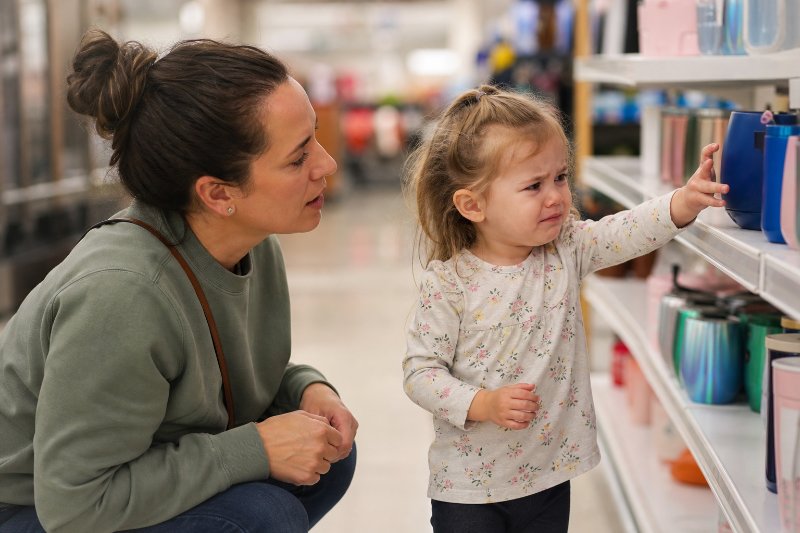
Helping Children Handle Disappointment
Children need help naming disappointment before they can manage it, and calm, steady responses teach that hard feelings are safe to feel. Over time, small letdowns become practice for resilience, patience, and trust.
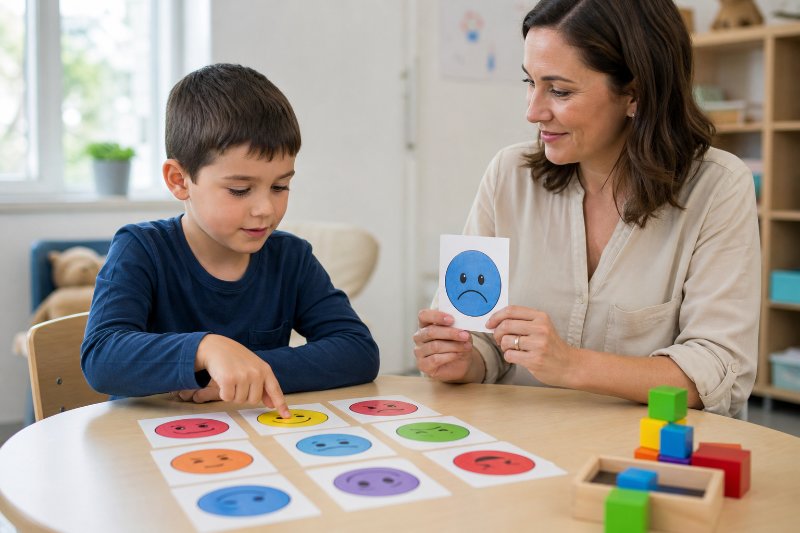
Social vs. Emotional Learning for Kids
Social and emotional learning is less about calming down in the moment than building the relationship skills that help children wait, take turns, handle “no,” and repair hurt. Those small habits shape how they belong at home, in school, and with friends.
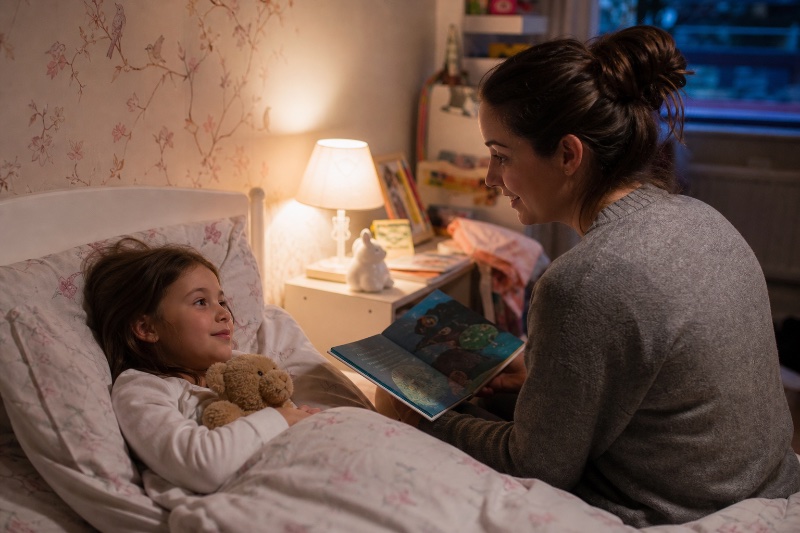
Are Bedtime Stories for Kids Worth It?
Bedtime stories do more than fill the minutes before sleep, they give children a safe way to work through worries, name feelings, and settle into a calmer routine.