
Social vs. Emotional Learning for Kids
Kelly Anderson
Your child may be small, but their feelings can fill a whole room. A toy breaks, a goodbye feels too big, a friend says “no,” or bedtime brings up worries that stayed quiet all day. You want to respond with calm, but you may also wonder what your child is learning in those tender moments.
That is where social and emotional learning becomes deeply practical. For families in Portland, Oregon, where children grow up with school communities, neighborhood play, rainy-day indoor routines, and big outdoor adventures, emotional skills are not extra. They are part of how children learn to belong, speak up, calm down, and care for others. Zebra Baby supports this kind of growth through gentle storytelling that helps children feel seen, safe, and proud of who they are.
Instead of treating feelings as interruptions, you can begin to see them as teaching moments. Not heavy lessons. Not lectures. Just small, repeated chances to name what is happening, offer comfort, and help your child practice the skills they will use at home, in preschool, on the playground, and one day in classrooms and friendships beyond your arms.
What Social and Emotional Learning Really Means for Young Children
It starts with noticing feelings
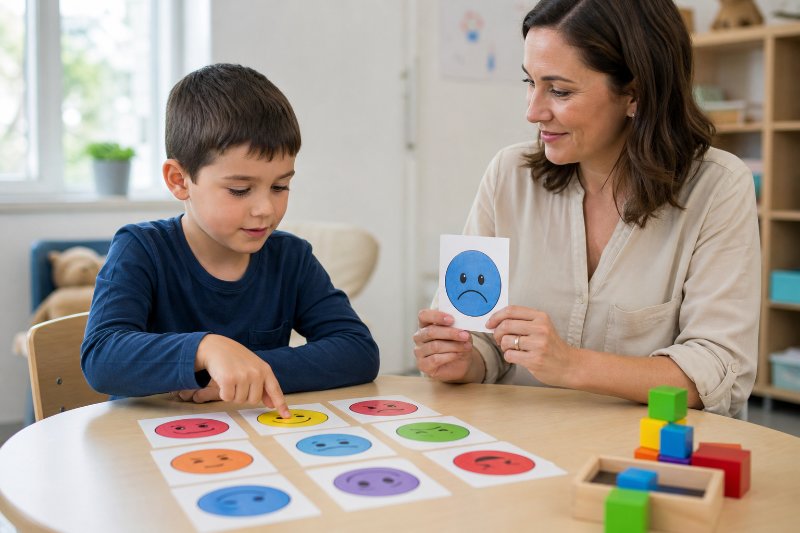
Social and emotional learning is the process of helping children understand emotions, build relationships, make caring choices, and respond to challenges with growing confidence. For young children, it often begins with something very simple: “You look frustrated,” “That goodbye felt hard,” or “Your body is telling you that you need help.”
Children are not born knowing how to explain anger, disappointment, jealousy, worry, or pride. They feel these things first in their bodies. A child may stomp because frustration has no words yet. They may hide because embarrassment feels too exposed. They may cling because separation feels unsafe. When you give language to those moments, you help your child connect inner feelings with outer expression.
It includes relationships, not just emotions
At its heart, social and emotional learning is not only about calming down. It is also about learning how to be with other people. Children practice waiting, taking turns, asking for space, repairing hurt, showing empathy, and hearing “no” without losing their whole sense of safety.
This is why children’s emotional learning books, bedtime stories, and caring conversations can be so powerful. A story gives your child a gentle distance from their own experience. A character can feel shy, mad, left out, brave, or unsure, and your child can recognize that feeling without being put on the spot. Storytime becomes a soft place to practice self-expression.
What research suggests about SEL
Research continues to support the value of this work. A meta-analysis on social and emotional learning programs and students’ prosocial behavior included 66 studies, 157 effect sizes, and 52,914 youth, and found that these programs were associated with benefits in prosocial behavior. Another study evaluating the Social, Emotional, and Ethical Learning program found significant improvements in areas such as self-compassion, perspective-taking, empathic concern, intrinsic prosocial motivation, and academic goal setting among participating elementary school children.
For parents, the takeaway is warm and hopeful. Emotional growth is not something children simply “figure out” alone. With steady support, stories, and everyday practice, children can learn skills that help them feel more secure inside themselves and more connected to others.
How Gentle Storytelling Helps Children Practice Emotional Skills
Stories make big feelings feel safer
When a child is already upset, direct instruction can feel like too much. “Use your words” may be true, but it may not be reachable in the middle of tears. Gentle storytelling works differently. It lets children meet emotions through characters, images, rhythm, and repetition.
A child who resists talking about their own fear may be willing to talk about a zebra, bear, bunny, or child in a book who feels nervous. They might say, “He is scared,” long before they can say, “I am scared.” That small shift matters. It gives them a doorway into emotional honesty without pressure.
This is one reason many parents look for Kids Books that do more than entertain. The most supportive stories offer warmth, clear feelings, relatable challenges, and comforting resolution. They do not shame a child for having big feelings. They show that feelings can be understood, shared, and cared for.
Bedtime stories can soften the end of the day
Bedtime often brings emotions to the surface. The lights dim, the room gets quiet, and suddenly the day’s worries have space to speak. A gentle story can help your child settle because it creates a predictable emotional pattern: closeness, listening, imagination, and safety.
Bedtime stories are also a beautiful setting for emotional regulation support for young children. Regulation simply means learning how to move from overwhelmed toward calmer. Children borrow your calm first. Over time, with repeated loving experiences, they begin to build their own inner calm.
You do not need to turn every bedtime book into a lesson. A quiet comment is enough. “She felt worried, and then someone stayed close.” “He made a mistake, and he was still loved.” “That character needed a deep breath and a kind voice.” These small reflections help your child connect story moments to real life.
A children’s book series can create emotional familiarity
Single stories can be helpful, but a children’s book series can add another layer of comfort. When children return to familiar characters, they build trust. They begin to know the emotional world of the story. That familiarity can make it easier to talk about new challenges, such as sharing, trying again, feeling different, or asking for help.
A series also gives parents a shared language to use outside reading time. If a character learns to pause when angry, you can gently refer back to that moment during a hard afternoon. The story becomes a bridge between imagination and daily life.
What to Look for in Social-Emotional Learning Resources
Choose language your child can carry
Good social-emotional learning resources use words children can understand and repeat. Terms such as mad, sad, worried, proud, lonely, excited, frustrated, and brave are often more useful than long explanations. Young children need emotional language that feels close to daily life.
Look for books and parenting content that speak to your child with respect. The tone should be warm, not preachy. Children learn emotional safety when they feel accepted, not corrected at every turn. A good resource helps your child think, “My feelings make sense, and there are caring ways to express them.”
Notice whether the story honors the child’s dignity
Some books about behavior focus heavily on compliance. They may show a child doing something wrong, being corrected, and then acting “good.” While limits matter, emotional learning goes deeper. Children need to understand what is happening inside them, not only what behavior adults prefer.
Supportive Kids Books show that a child can struggle and still be lovable. They allow room for repair. They make space for mistakes, apologies, courage, and trying again. This nurtures resilience, which is the ability to recover after something feels hard.
Look for connection between parent and child
The best resources do not place the whole burden on the child. They invite connection. A page, question, or image may encourage you to pause and talk. It may help your child lean closer, point to a face, or ask whether you ever felt the same way.
For families in Portland, Oregon, where children may move between daycare, preschool, grandparents, playgroups, and community activities, this shared language can be especially grounding. A phrase used at storytime can travel with your child into the next morning. “I can ask for help.” “I can try again.” “My feelings are allowed.”
Common Misconceptions About Emotional Learning
Misconception: Emotional learning means letting children do whatever they want
Gentle does not mean boundary-free. Children feel safer when adults are both loving and steady. You can honor a feeling while still holding a limit. “You are angry that playtime is over. I will not let you hit. I can help you stomp your feet or squeeze this pillow.”
This kind of response teaches two truths at once. Feelings are welcome. Harmful behavior is not. Over time, your child learns that big emotions do not have to control every action.
Misconception: Talking about feelings will make children more dramatic
Many parents worry that naming emotions will make those emotions grow. In real life, children often become more settled when they feel understood. Naming a feeling does not create it. It gives the child a handle to hold.
A child who can say “I am disappointed” may have less need to scream, collapse, or grab. Not always, and not instantly. But language gives the brain and body another option. Emotional vocabulary supports self-expression, and self-expression can reduce the pressure that builds when feelings stay trapped inside.
Misconception: Children should learn these skills naturally without help
Some children seem naturally expressive. Others are more guarded, intense, impulsive, or sensitive. All children benefit from patient guidance. Social and emotional learning is like learning to read social cues, body signals, and relationship moments. Children need repetition, modeling, and safe practice.
You are not failing if your child still melts down. Meltdowns are not proof that emotional learning is absent. They are often signs that your child’s skills are still growing. The goal is not a child who never cries or protests. The goal is a child who slowly learns, with your help, that feelings can be felt, named, and handled.
The Zebra Baby series helps children feel safe, confident, emotionally understood, and proud of who they are through warm, relatable storytelling and emotionally supportive learning moments.
Disclaimer: Zebra Baby content is created for educational and storytelling purposes only and is not a substitute for professional medical, mental health, or therapeutic advice.
Related Articles
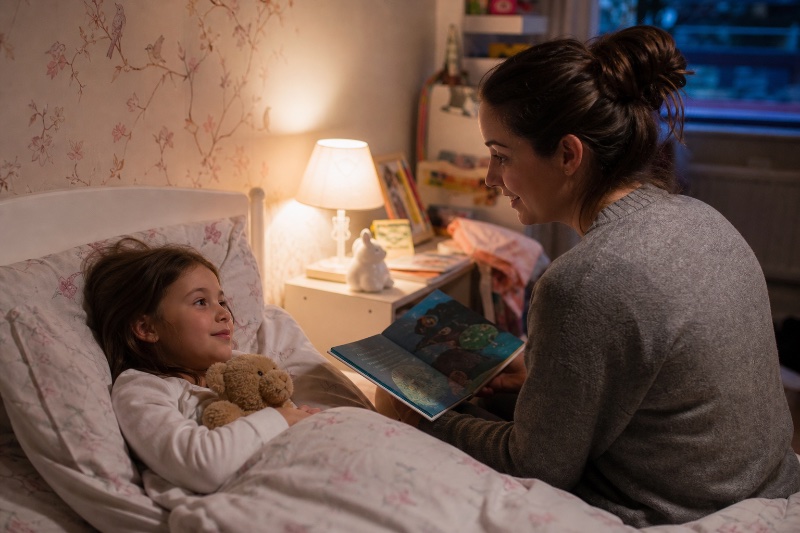
Are Bedtime Stories for Kids Worth It?
Bedtime stories do more than fill the minutes before sleep, they give children a safe way to work through worries, name feelings, and settle into a calmer routine.
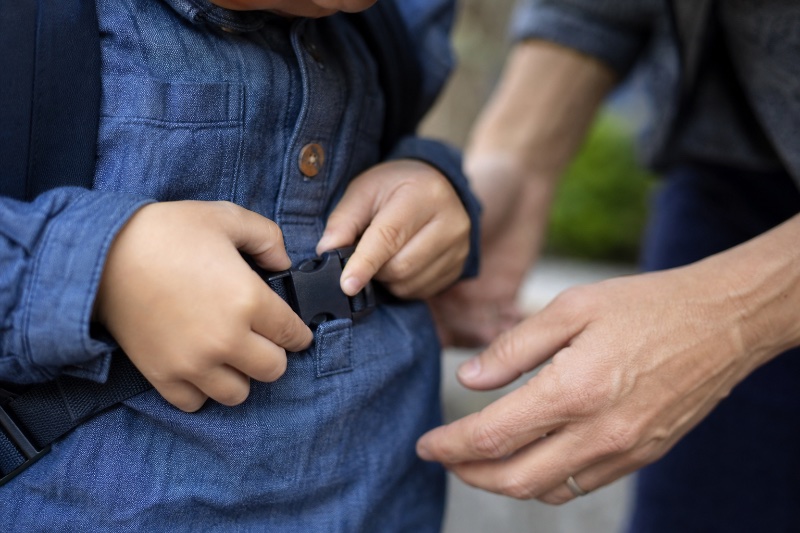
Simple Parenting Habits that build confidence
Confidence grows through small, repeatable habits, warm responses, steady routines, and calm limits that help children feel safe while they try, fail, and try again. Those everyday moments teach, “I can learn,” long before independence fully takes root.

What Educators & Therapists Want in SEL Books
Early childhood pros favor SEL books that help children name feelings, make space for big emotions, and invite a caring adult into the conversation. The best choices spark connection, not just a lesson.