
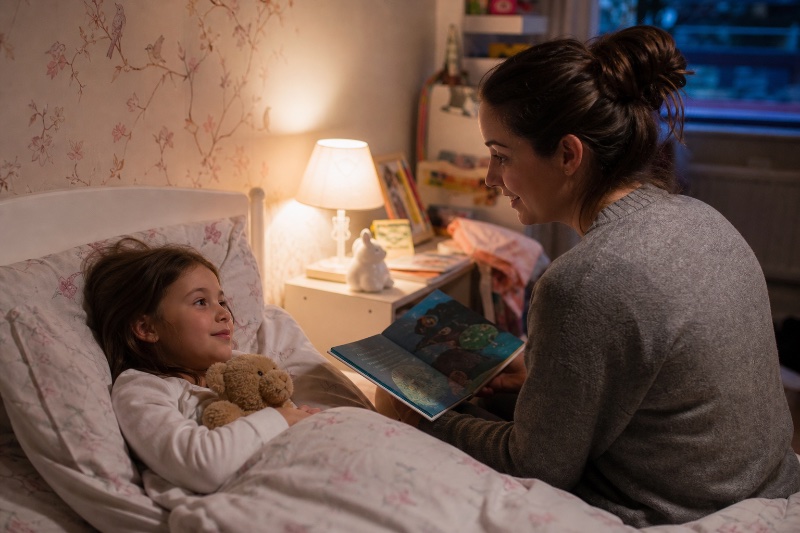
Are Bedtime Stories for Kids Worth It?
Kelly Anderson
When bedtime starts to unravel, it rarely feels like a reading problem. It feels like one more drink of water, one more question, one more worry about the dark, one more burst of energy after pajamas are already on. You may sit beside your child wondering how something as simple as sleep can hold so many big feelings. For many families in Portland, Oregon, evening is the first quiet moment of the day. That quiet can bring comfort, but it can also bring worries to the surface. This is where bedtime stories for kids can become more than a sweet habit. They can offer emotional safety, gentle storytelling, and a shared place for your child to practice self-expression before sleep. Zebra Baby creates children’s emotional learning books, bedtime stories, social-emotional learning resources, parenting content, emotional regulation support for young children, gentle storytelling, and a children’s book series designed to help children feel safe, seen, and understood.
What Bedtime Stories for Kids Really Do Before Sleep
Bedtime reading is often described as a cozy routine, and it is. But it can also be a meaningful emotional bridge between a busy day and a calmer night. Your voice, the rhythm of repeated phrases, the comfort of familiar characters, and the closeness of sitting together all send a simple message: you are safe here. Research on shared book reading continues to support this broader value. A 2026 study analyzing 36,866 mother-child pairs found that the frequency of storybook reading was positively correlated with developmental scores across multiple domains, according to research on shared storybook reading and child development. While that study is not only about bedtime, it reinforces what many parents feel in daily life: shared reading is a rich learning moment.
Stories give feelings a softer place to land
Young children often feel before they can explain. A child may not say, “I am worried about tomorrow,” but they may ask the same bedtime question again and again. They may not say, “I felt left out today,” but they may choose a story where a character feels lonely. Bedtime stories for kids create a gentle distance. Instead of asking your child to talk directly about themselves, the story lets them talk through a character. “The bear looks sad” can become a safe first sentence. “Maybe the bunny wanted a hug” can become a doorway into your child’s own need for comfort.
The routine matters as much as the book
A bedtime story does not need to be long, dramatic, or deeply educational to be meaningful. In fact, a predictable and calming rhythm often helps more than a busy plot. The familiar act of choosing a book, settling into the same spot, hearing your steady voice, and turning pages together gives your child a sense of order. A recent systematic review noted that bedtime stories were valued as moments of calmness and connection, giving families a chance to wind down and share closeness, according to a review of parent-child shared book reading. That connection is not extra. For many children, it is the part that helps their body begin to soften toward sleep.
How to Choose Bedtime Stories for Kids That Support Emotional Learning
A good bedtime book does not need to teach a lesson loudly. Children often learn best when the lesson is woven into a story, not announced at them. The goal is not to turn bedtime into school. The goal is to give your child language, comfort, and confidence in a way that still feels peaceful.
Look for feelings your child can recognize
Choose stories that name emotions clearly and kindly. Words like sad, worried, proud, jealous, excited, scared, frustrated, and calm help children build an emotional vocabulary. When feelings are named without shame, children learn that feelings are part of being human. If your child is working through separation anxiety, choose stories with gentle goodbyes and loving returns. If frustration has been showing up often, look for a character who wants something, struggles, pauses, and tries again. If your child has been extra sensitive at night, a story about comfort, courage, or asking for help may fit the moment. For more on how stories can support naming feelings and calming worries at night, you may find this gentle look at bedtime reading and emotional regulation helpful.
Choose calm plots over high-energy adventures at night
Some books are wonderful during the day but too exciting right before sleep. Fast chases, loud surprises, or silly chaos can be fun, yet they may not help your child settle. At bedtime, softer pacing usually works better. That does not mean the story must be boring. A child can stay engaged through warmth, repetition, beautiful language, and relatable feelings. A quiet story about a small disappointment, a repaired friendship, or a brave goodnight can hold deep meaning without stirring up extra energy.
Pay attention to the emotional ending
The final feeling of the story matters. Bedtime is a tender time, so endings that leave a child feeling secure are often best. A story may include conflict or sadness, but it should offer repair, reassurance, or connection by the end. This does not mean every story needs a neat answer to every problem. Children can handle complexity when it is held gently. A character might still miss someone, still feel nervous, or still need help. But the story should not leave your child alone with that feeling. The safest bedtime stories for kids tend to show that big feelings can be shared, comfort can be received, and tomorrow can be met with a little more courage.
Using Storytime to Help Children Talk About Big Feelings
You do not need to be a therapist, teacher, or reading expert to use stories for emotional learning. You simply need presence, patience, and a willingness to let the story open small conversations.
Let the book do some of the talking
When a child is overwhelmed, direct questions can feel too large. “Why are you upset?” may be hard to answer. Story-based questions are often gentler. You might wonder aloud, “That character’s shoulders look tight. I wonder what they are feeling.” Or, “The fox walked away quietly. Maybe he needed space.” These comments are not tests. They are invitations. If your child answers, you can follow their lead. If they stay quiet, the message still matters. Over time, they hear that emotions can be noticed and named without pressure.
Use short pauses instead of long talks
Parents sometimes worry they need to turn every emotional moment into a full conversation. At bedtime, less is often more. A brief pause after a meaningful page can be enough. A single sentence such as, “It feels good when someone understands,” may stay with your child longer than a long explanation. Children process stories in layers. They may return to the same book many times because something inside it feels important. Repetition is not a problem. It is often how early childhood learning takes root.
Connect stories to real life with care
If a story mirrors something your child experienced, move gently. Instead of saying, “That is exactly what you did today,” try a softer bridge. “Sometimes it is hard when plans change.” Or, “I know some children feel worried when they have to say goodbye.” This gives your child room to agree, disagree, or simply listen. Emotional safety grows when children feel they are not being cornered or corrected. Bedtime stories for children work best when they protect connection first. Families in Portland, Oregon often balance full days of school, childcare, work, errands, rain gear, park time, and household routines. A calm story can become a small daily anchor, especially when the rest of the day has felt full.
Common Misconceptions About Bedtime Reading
Even loving parents can feel unsure about whether they are “doing it right.” The good news is that bedtime reading does not need to be fancy. It needs to be connected.
Misconception: The book has to teach an obvious lesson
Some of the strongest emotional learning happens quietly. A child watches a character make a mistake and repair it. They hear a parent in the story apologize. They see a friend feel scared and still ask for help. No speech is needed. Books that are too preachy can make children pull away. Gentle storytelling respects the child’s inner world. It allows meaning to rise naturally.
Misconception: You must finish the whole book
If your child is sleepy, restless, or emotionally full, it is okay to stop before the end. The goal is not completion. The goal is connection. You can say, “Let’s save the rest for tomorrow,” and still give your child the comfort of a shared ritual. Some nights may include one short book. Other nights may include a few pages and a cuddle. The value is not measured by page count.
Misconception: Screens can serve the same role
A calm video may seem easier, and every family has evenings where ease is needed. Still, a shared book offers something different. Your child hears your voice, watches your expressions, feels your nearness, and can pause to ask questions. The interaction is part of the learning. Bedtime stories for kids are not only about the story on the page. They are about the relationship holding the story.
Misconception: Emotional books will make bedtime more intense
It is understandable to worry that naming sadness, anger, or fear at night might make those feelings bigger. Sometimes a story may bring up a tender topic, and you can choose carefully based on your child’s needs. But avoiding feelings completely can also leave children alone with them. The right story does not flood your child with emotion. It gives the feeling shape, language, and comfort. If a book feels too heavy at bedtime, keep it for daytime reading and choose a calmer one at night.
For calming bedtime stories and emotional learning books that help children feel safe, seen, and understood, visit the Zebra Baby Books emotional learning series.
Disclaimer: Zebra Baby content is created for educational and storytelling purposes only and is not a substitute for professional medical, mental health, or therapeutic advice.
Related Articles
Simple Parenting Habits that build confidence
Confidence grows through small, repeatable habits, warm responses, steady routines, and calm limits that help children feel safe while they try, fail, and try again. Those everyday moments teach, “I can learn,” long before independence fully takes root.

What Educators & Therapists Want in SEL Books
Early childhood pros favor SEL books that help children name feelings, make space for big emotions, and invite a caring adult into the conversation. The best choices spark connection, not just a lesson.
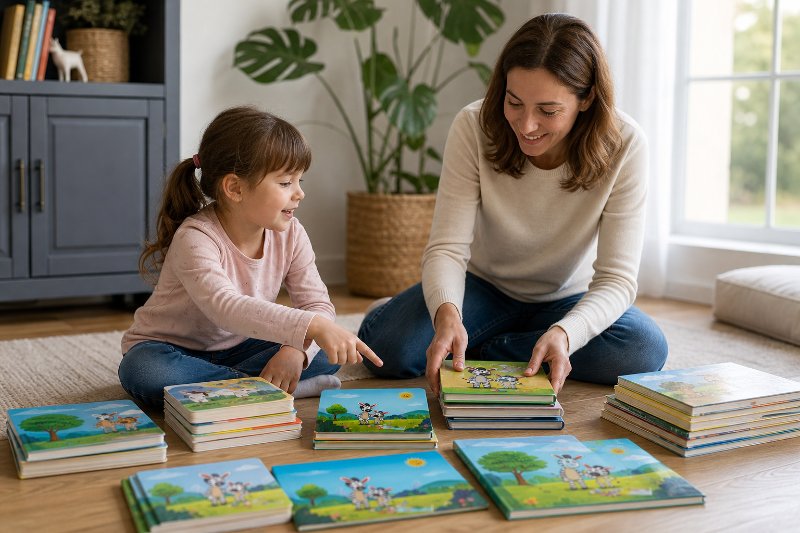
What Are the Best Books for Kids in 2026?
The biggest mistake is choosing books by age label or popularity alone. The strongest picks match a child’s stage, interests, and emotions, helping reading grow alongside confidence and resilience.