
Self-Esteem vs. Self-Confidence
Kelly Anderson
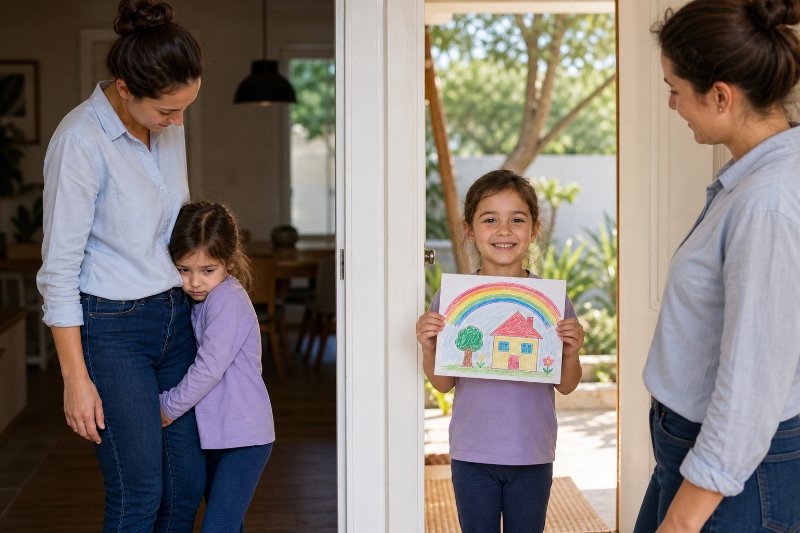
Your child walks into a room full of new children and hides behind your leg. Later that same day, they proudly show you a drawing and say, “I’m really good at this.” You may wonder, “Are they confident, or not?” The answer may be more tender and more helpful than a simple yes or no.
Two words often get used as if they mean the same thing: self-esteem and self-confidence. They are closely connected, but they are not identical. Understanding the difference can help you support your child with more clarity, especially during early childhood, when big feelings, new skills, and self-expression are all growing at once.
Self-esteem is how your child feels about who they are. Self-confidence is how capable your child feels about what they can do. One is rooted in worth. The other is rooted in ability. Children need both, and they grow best when they feel emotionally safe enough to try, struggle, rest, and try again.
Self-Esteem and Self-Confidence Are Not the Same Thing
What self-esteem means for children
Self-esteem is your child’s inner sense of “I matter.” It is the quiet belief that they are loved, valued, and worthy, even when they make mistakes, feel upset, or cannot do something yet. A child with healthy self-esteem may still cry, protest, feel shy, or need comfort. Healthy self-esteem does not mean a child feels happy all the time. It means they are slowly learning, “My feelings are acceptable, and I am still lovable when things are hard.”
Self-esteem is built through repeated moments of connection. When you listen to your child’s worries, repair after conflict, name their feelings with kindness, and enjoy who they are beyond their achievements, you are helping shape their inner story. That story becomes a foundation they carry into friendships, school, and new challenges.
What self-confidence means for children
Self-confidence is your child’s belief that they can handle a task, skill, or situation. A confident child might say, “I can climb that,” “I can ask the teacher,” or “I know how to clean this up.” Confidence often grows from practice, encouragement, and experiences of doing something difficult with support.
Confidence can be specific. Your child may feel confident building with blocks but not confident joining a group game. They may feel brave at home but unsure at preschool. This is normal. Children do not become confident everywhere all at once. Confidence grows in small areas first, then spreads as your child gathers experiences that say, “I can learn. I can ask for help. I can keep going.”
How These Concepts Develop Through Early Childhood
Infants and toddlers learn through safety and response
In the earliest years, self-esteem begins with emotional safety. Babies and toddlers do not think in long sentences about their worth, but they feel patterns. When a caregiver responds to cries, offers warmth, and brings comfort, a child begins to sense, “My needs matter.” This is one of the earliest roots of self-esteem.
Confidence at this age often appears through movement and exploration. A toddler reaches for a spoon, climbs onto a cushion, stacks blocks, or insists, “Me do it.” They may become frustrated quickly because their desire is ahead of their skill. Your calm presence helps them stay connected while they practice.
At this stage, nurturing both means offering comfort and room to try. A toddler who spills water while learning to pour needs help cleaning up, not shame. The message is, “You are safe, and you are learning.”
Preschoolers begin to form stories about themselves
Preschool children are busy building language, imagination, and identity. They may announce, “I’m a big kid,” then need to be held five minutes later. They are learning who they are through play, stories, routines, and your responses to their big feelings.
Self-esteem grows when preschoolers feel accepted in their full range of emotions. If they are angry, scared, jealous, or disappointed, they need help understanding those feelings without being made to feel bad for having them. Phrases like “You were really upset when it was time to leave” or “It felt hard to wait” help your child feel seen.
Self-confidence grows as they practice real skills. Putting on shoes, speaking to a new child, helping set the table, and trying a puzzle all provide chances to feel capable. The goal is not instant success. The goal is repeated experience with effort, support, and encouragement.
School-age children compare, evaluate, and stretch
As children enter elementary school, they become more aware of peers. They may compare reading levels, sports skills, artwork, clothes, friendships, and classroom behavior. This can affect both self-esteem and confidence.
A child may begin to think, “I’m not good at math,” or “Everyone else has more friends.” These thoughts can feel heavy. Your role is to help separate worth from performance. A hard spelling test does not mean a child is less smart. A friendship struggle does not mean they are unlikeable. A lost game does not mean they are a failure.
Confidence during these years often grows through effort that is noticed honestly. Instead of only saying, “You’re amazing,” you can say, “You kept trying even when that felt hard,” or “You asked for help, and that was brave.” This kind of language helps children connect confidence to resilience, not perfection.
Why Parents Often Confuse the Two
A child can look confident but have fragile self-esteem
Some children appear bold, talkative, or highly capable, yet feel deeply unsettled inside when they make a mistake. They may avoid tasks they cannot master quickly. They may need constant praise or become very upset when they are corrected. This can happen when confidence is tied too tightly to performance.
If a child believes they are valued only when they win, behave well, or impress others, their self-esteem may feel shaky. They may have confidence in certain skills, but not a steady sense of worth when things go wrong. This is why emotional learning matters. Children need language for disappointment, embarrassment, frustration, and repair.
A child can have healthy self-esteem and still lack confidence
Other children feel loved and secure but hesitate in new situations. They may need more time before speaking up, joining play, or trying a physical skill. This does not always mean their self-esteem is low. It may mean their confidence in that specific area is still developing.
For these children, pressure can backfire. “Just go do it” may feel overwhelming. Gentle support works better. You might say, “You can watch for a minute, and I’ll stay close,” or “Would you like to practice what to say?” This protects self-esteem while helping confidence grow at a manageable pace.
Ways to Nurture Self-Esteem at Home
Let love be bigger than behavior
Children need limits, but they also need to know your connection is not withdrawn when they struggle. When your child yells, refuses, or melts down, you can hold a boundary while protecting dignity. “I won’t let you hit. I can see you are very angry. I’m here to help you calm your body.”
This kind of response does not excuse harmful behavior. It teaches that feelings are allowed, actions have limits, and love remains steady. Over time, that steadiness becomes part of your child’s self-esteem.
Notice who your child is, not only what they do
Achievement praise has its place, but children also need to hear that their inner qualities matter. You might notice kindness, curiosity, humor, patience, creativity, honesty, or courage. “You cared about how your friend felt,” is different from “Good job.” It helps your child see themselves as a person with values, not only a performer of tasks.
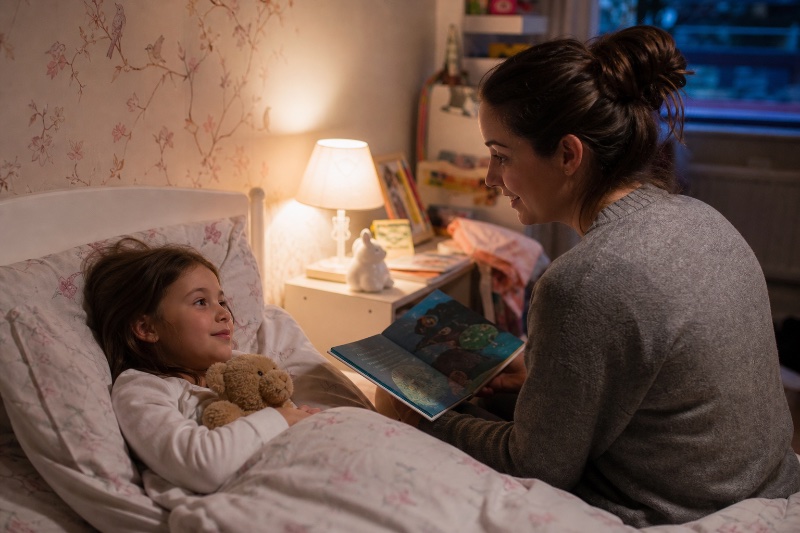
Bedtime stories can be especially powerful here. When children hear characters experience fear, jealousy, pride, sadness, and repair, they begin to understand that having big feelings is part of being human. Thoughtful kids books can give families gentle words for emotions that are hard to explain in the middle of the moment.
Ways to Nurture Self-Confidence Without Pressure
Create chances for real contribution
Confidence grows when children experience themselves as capable. Simple household contributions can help. A child can carry napkins to the table, place socks in a drawer, water a plant, choose pajamas, or help pack a backpack. These tasks say, “You are part of this family, and your efforts matter.”
Try to allow some imperfection. A child who folds a towel unevenly is still learning responsibility. If adults redo every task immediately, children may absorb the message that their effort was not enough. When safety is not at risk, leave room for wobbly progress.
Use language that honors effort and emotion
Confidence is not built by pretending everything is easy. Children feel more supported when you acknowledge the truth. “That tower fell three times, and you still wanted to try again.” “You felt nervous before the recital, and you walked onto the stage.” “You didn’t know the answer, so you asked.”
This helps your child connect confidence with process. They learn that courage can include shaky hands, that learning can include mistakes, and that asking for help is part of strength.
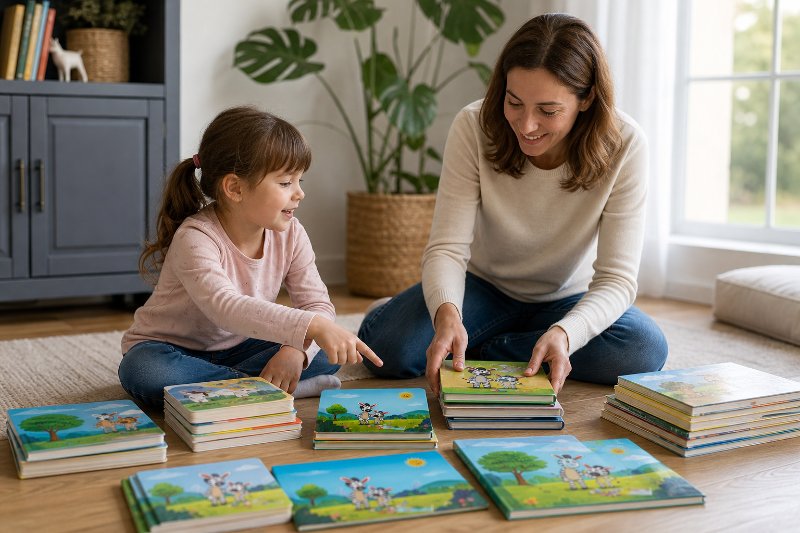
The Zebra Baby series helps children feel safe, confident, emotionally understood, and proud of who they are through warm, relatable storytelling and emotionally supportive learning moments. To bring these conversations into your home through gentle, child-friendly stories, visit the Zebra Baby Books series and find books that support emotional growth, self-esteem, and self-confidence.
Disclaimer: Zebra Baby content is created for educational and storytelling purposes only and is not a substitute for professional medical, mental health, or therapeutic advice.
Related Articles
What Are the Best Books for Kids in 2026?
The biggest mistake is choosing books by age label or popularity alone. The strongest picks match a child’s stage, interests, and emotions, helping reading grow alongside confidence and resilience.

SEL Books for Elementary Students by Monday
SEL stories work best when they give elementary students a safe way to talk about hard moments through characters first. The right book can turn frustration, friendship troubles, and school-day stress into calmer conversations at home.
Are Bedtime Stories for Kids Worth It?
Bedtime stories do more than fill the minutes before sleep, they give children a safe way to work through worries, name feelings, and settle into a calmer routine.