
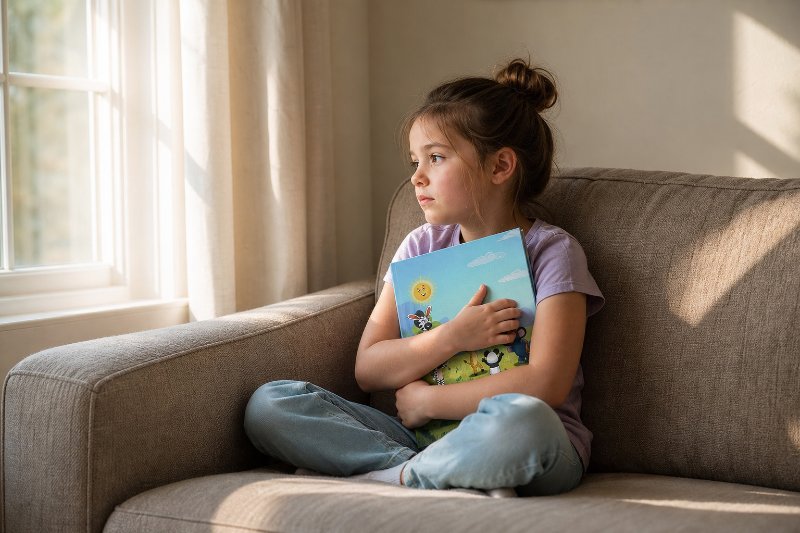
SEL Books for Elementary Students by Monday
Kelly Anderson
Your elementary-age child may come home carrying more than a backpack. There may be friendship worries, frustration over schoolwork, disappointment after recess, or the quiet heaviness of not knowing how to explain what happened during the day. You want to help, but a direct question like “What’s wrong?” can sometimes make a child shut down, shrug, or say, “Nothing.”
That is where thoughtfully chosen stories can become a gentle bridge. For families in Portland, Oregon, rainy afternoons, busy school weeks, and cozy bedtime routines can all become chances to talk about feelings in a way that feels safe rather than pressured. Zebra Baby creates children’s emotional learning books and gentle storytelling resources to support that kind of parent-child connection.
When you are looking for sel books for elementary students, the goal is not to turn reading time into a lesson plan. The goal is to give your child language, comfort, and confidence through characters they can care about. A good story can help a child say, “That’s how I felt,” long before they are ready to explain everything on their own.
What SEL Books Can Do for Elementary Students
Social-emotional learning, often called SEL, helps children understand feelings, build relationships, manage frustration, show empathy, and make thoughtful choices. For elementary students, these skills are not separate from school or home life. They show up during group projects, sibling conflicts, bedtime worries, classroom transitions, and moments when a child feels embarrassed, left out, or overwhelmed.
Stories Make Big Feelings Easier to Approach
Children often feel safer talking about a character than talking about themselves. If a character feels jealous when a friend plays with someone else, your child can explore that feeling from a small distance. That distance matters. It protects emotional safety while still inviting self-expression.
Research on picture-book read-alouds supports this idea. A recent ERIC-indexed article notes that teachers reading carefully chosen picture books aloud can help young children identify, name, and recognize emotions shown by characters, using both illustration and text evidence through picture-book discussions about characters’ feelings. For a parent, that can look beautifully simple. You pause on a page, notice a face, and ask, “What do you think she is feeling here?”
Emotional Learning Supports Reading, Too
Many parents search for SEL books for elementary students because they want kindness and emotional regulation support, but these books can also strengthen the reading experience itself. A 2025 systematic review in Frontiers in Psychology describes how social-emotional learning may support reading achievement through several connected pathways, including emotional regulation, intrinsic motivation, and stronger peer and teacher-student relationships, as explained in this review of SEL and reading achievement mechanisms. The evidence is promising, and it is best understood as supportive rather than a guarantee for every child.
In plain language, when a child feels safe, connected, and able to manage frustration, reading can feel less like a performance and more like a meaningful exchange. That matters at home, where your voice, your patience, and the rhythm of bedtime stories can help reading feel warm and steady.
Elementary Students Need More Than “Be Kind” Messages
A helpful SEL story does not simply tell children to be kind, brave, calm, or patient. It shows what those skills feel like in real situations. A character might want to yell but takes a breath. A child in the story might feel nervous before speaking in class. A friend might apologize after making a hurtful choice. These story moments give your child something concrete to hold onto.
The best social-emotional learning resources respect children as thoughtful people. They do not shame emotions. They do not make sadness, anger, fear, or jealousy seem “wrong.” Instead, they help children notice feelings, name them, and practice what to do next.
How to Choose SEL Books That Truly Help
There are many social-emotional learning books for elementary students, and not all of them serve the same purpose. Some are meant for classroom read-alouds. Some work well as bedtime stories. Some are better for a child who already likes talking about feelings, while others are softer and more indirect for a child who needs time.
Look for Emotional Honesty
Children can sense when a story is trying too hard to teach them something. If every page sounds like a lecture, the emotional lesson may not land. Look for books where the characters feel real, even if the story is playful or imaginative. A child who is mad should be allowed to look mad. A child who feels shy should not suddenly become fearless because an adult gave one cheerful speech.
Emotional honesty gives your child permission to be human. It also gives you better openings for conversation. You might say, “He wanted to be included, but he did not know how to ask,” or “She looked calm on the outside, but I wonder if she felt worried inside.” These gentle observations help build emotional vocabulary without turning the moment into a quiz.
Choose Books With Repair, Not Just Conflict
Elementary children are learning how relationships stretch, bend, and heal. Books that include repair are especially valuable. Repair might mean an apology, a second try, a caring adult listening, or a child learning how to speak up kindly.
This matters because many children feel deep worry after conflict. They may wonder if a friendship is over, if a teacher is upset forever, or if a parent is disappointed in a lasting way. A story that shows repair can teach resilience. It says, “A hard moment is not the whole story.”
Pay Attention to the Rhythm of the Book
If you plan to read at bedtime, the tone of the book matters. Some SEL stories are lively and better for afternoon reading. Others have a quiet rhythm that helps children settle. Good bedtime stories for emotional learning do not need to avoid hard feelings, but they should leave your child with a sense of safety.
In Portland, Oregon, many families naturally build reading into calm indoor evenings, especially during long rainy seasons. That can make storytime a steady place for emotional regulation support for young children. A soothing book, read in a familiar voice, can help a child’s body soften after a busy school day.
Notice Whether the Book Invites Conversation
The most helpful sel books for elementary students leave room for your child’s thoughts. They do not answer every emotional question too neatly. They give you natural pauses where you can wonder together.
You do not need a script. A few warm prompts can be enough: “What do you think made that feel so hard?” “Have you ever seen someone make that face?” “What helped the character feel safe again?” If your child does not answer, that is okay. Sometimes listening is the learning.
Gentle Ways to Use SEL Books at Home
Once you choose strong SEL books for elementary students, the way you read them can make the experience even more meaningful. You do not need special training. You need presence, patience, and a willingness to let the story breathe.
Read With Curiosity Instead of Correction
When a character makes an unkind choice, it may be tempting to ask, “Was that right or wrong?” Sometimes that question is useful, but it can also lead to quick answers. Curiosity opens a wider door.
You might say, “I wonder what he was feeling right before he said that,” or “She really wanted a turn. I wonder what else she could have tried.” This helps your child think about feelings, choices, and consequences without feeling tested.
Let Your Child Lead Some of the Meaning
Your child may connect with a part of the story you did not expect. Maybe you thought the book was about anger, but your child notices loneliness. Maybe you focused on the friendship problem, but your child talks about the teacher’s expression in the background.
Follow that thread. Emotional learning becomes stronger when children feel that their observations matter. This is one reason gentle storytelling works so well. It creates space for self-expression, not just adult instruction.
Use Short Phrases Children Can Carry Into Real Life
A good story can give your child language they can use later. After reading, you might gently repeat a phrase from the book or create a simple family phrase connected to the theme. For example, after a story about frustration, you might say, “Your feeling is big, and you are still safe.” After a story about friendship repair, you might say, “We can try again with kinder words.”
These phrases are not magic. They are anchors. Over time, they can help your child connect story language to real moments of stress, disappointment, or courage.
Misconceptions Parents Often Hear About SEL Books
Because social-emotional learning has become more widely discussed, parents may hear mixed messages about what SEL books are and what they are meant to do. A calm, practical view can help you choose with confidence.
“SEL Books Are Only for Children Who Struggle”
Every child has big feelings. Every child needs practice with empathy, patience, problem-solving, and repair. Some children express emotions loudly. Others hold them inside. Some seem confident at school and unravel at home. Others behave beautifully at home but feel anxious in group settings.
SEL books for elementary students are not only for crisis moments. They can be part of ordinary family reading, just like books about seasons, animals, adventure, or friendship. When emotional learning is woven into everyday stories, children do not feel singled out. They feel understood.
“Talking About Feelings Makes Children More Emotional”
Naming feelings does not create the feeling. It helps a child organize what is already happening inside. When you calmly name anger, worry, sadness, or embarrassment through a character, you show your child that emotions can be noticed without taking over the whole room.
This is especially helpful for elementary students, who may have strong emotional reactions but still be building the words and self-control to express them safely. Storytime gives them practice in a low-pressure way.
“The Book Has to Match the Exact Problem”
A book does not have to mirror your child’s exact situation to be useful. A story about a lost toy can open a conversation about grief. A story about stage fright can connect to speaking up in class. A story about a new neighbor can lead to empathy for someone who feels left out.
What matters is the emotional pattern. Is the character uncertain, jealous, disappointed, brave, ashamed, hopeful, or relieved? Children often recognize emotional patterns before they can explain personal details.
For families looking for gentle, story-based support, the Zebra Baby emotional learning series offers books created to help children notice feelings, practice empathy, and build language for real-life moments at home and school.
Disclaimer: Zebra Baby content is created for educational and storytelling purposes only and is not a substitute for professional medical, mental health, or therapeutic advice.
Related Articles
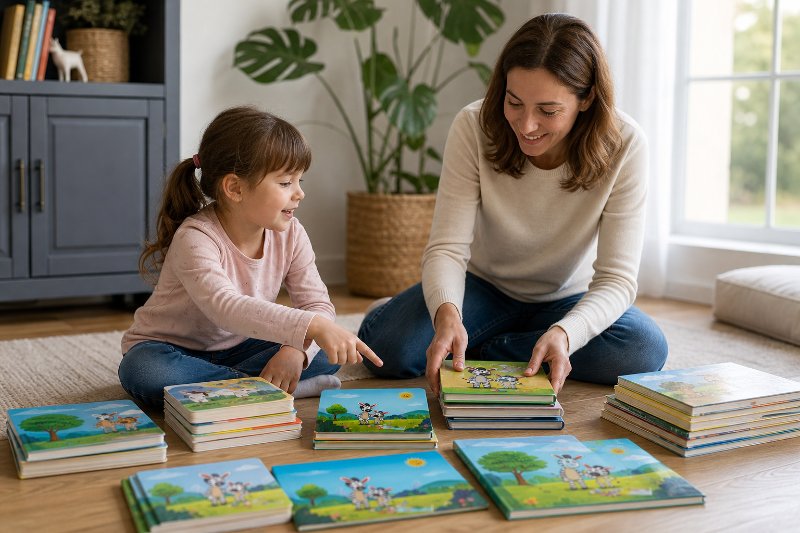
What Are the Best Books for Kids in 2026?
The biggest mistake is choosing books by age label or popularity alone. The strongest picks match a child’s stage, interests, and emotions, helping reading grow alongside confidence and resilience.
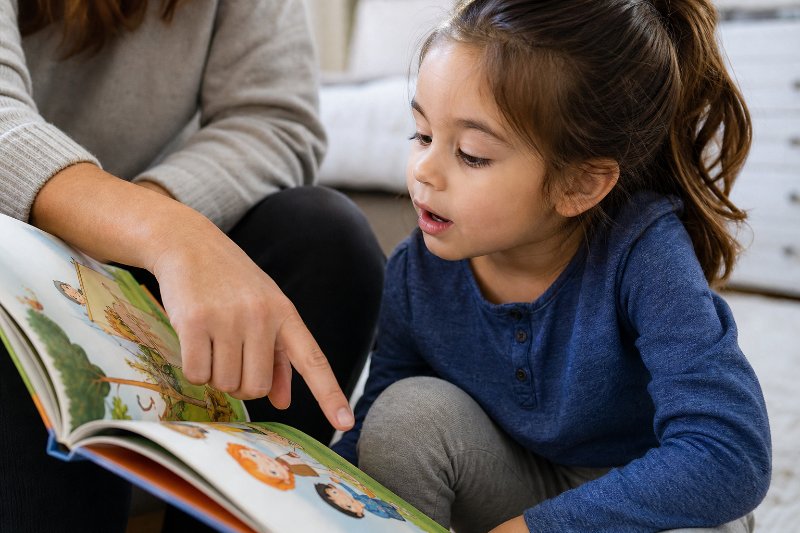
FAQ: SEL Books for Parents and Educators
SEL books work best as conversation starters, not quick fixes. Used with patient read-alouds and a few thoughtful questions, they help children name feelings, practice empathy, and talk through hard moments.
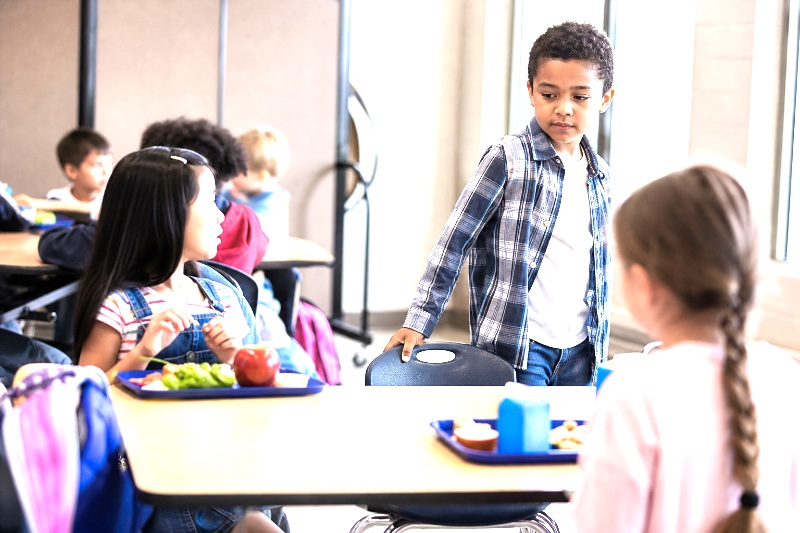
Why Stories Teach Empathy Best in Kids
Stories give children a safe way to practice compassion by watching characters feel left out, worried, or hurt, then seeing kindness and repair in action. That emotional rehearsal helps empathy grow more naturally than direct instruction alone.