
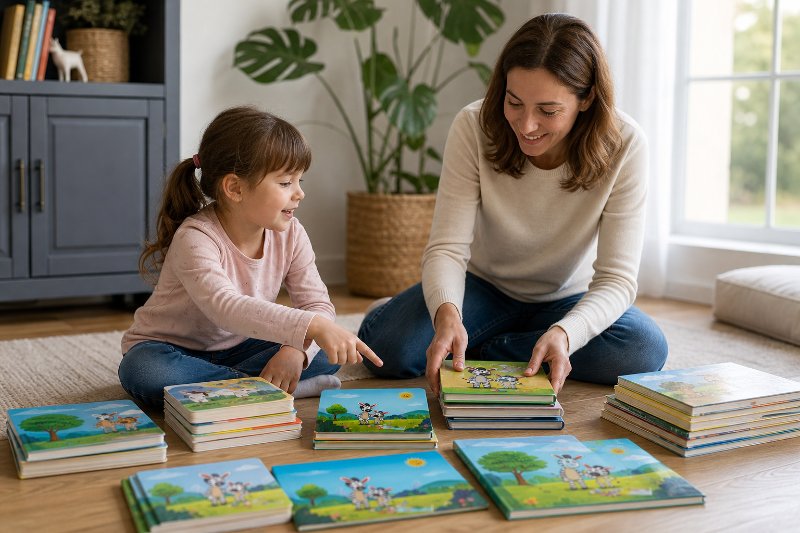
What Are the Best Books for Kids in 2026?
Kelly Anderson
If you have ever stood in front of a shelf filled with picture books, early readers, chapter books, board books, and bedtime stories, you may have felt both hopeful and unsure where to begin. You want books that help your child enjoy reading, grow language skills, understand feelings, and feel close to you. Still, the options can start to look alike very quickly. Many parents ask, “what are the best books for kids?” because they want more than a pretty cover or a well-known title. They want stories that support early childhood growth, self-expression, confidence, resilience, and emotional safety. The best answer is not one single book. It is a thoughtful mix of books that fit your child’s age, interests, reading stage, and emotional needs. The honest answer to “what are the best books for kids?” starts with your child. A shy child may need stories about courage and belonging. A child with big feelings may benefit from gentle storytelling about frustration, waiting, disappointment, or calm-down routines. A child who is just beginning to read may need books with rhythm, repetition, and pictures that help the words make sense.
What Makes a Children’s Book Truly Worth Reading?
When parents ask, “what are the best books for kids?” it helps to look beyond awards, trends, or age labels. A strong children’s book gives your child something meaningful to carry with them, whether that is a new word, a warm feeling, a playful idea, or a better way to understand someone else.
Age fit matters, but it is not the whole story
Age recommendations are useful, but they are only a starting point. Some preschoolers enjoy longer stories when the language is gentle and the pictures help carry the meaning. Some early elementary readers still return to picture books because they offer comfort, humor, and emotional depth. For babies and toddlers, sturdy board books with simple words, clear images, and predictable patterns work beautifully. For preschoolers, look for stories with expressive characters, gentle conflict, and satisfying endings. For children learning to read independently, choose books with short chapters, clear sentence patterns, and enough pictures to keep the story inviting.
The best books support both reading and emotional learning
A book can teach letters and sounds, but it can also teach your child how to name a feeling, notice another person’s point of view, or try again after something feels hard. This is where emotional learning matters. It means helping children understand emotions, relationships, choices, and coping skills in a safe, age-appropriate way. So when you wonder, “what are the best books for kids?” include books that help your child practice empathy, patience, courage, kindness, and self-expression. A story about a character feeling left out can open a tender conversation. A bedtime story about worry can help your child feel less alone. The Zebra Baby book series is one example of a children’s book series created with emotional learning in mind. These stories can fit naturally into a home reading routine when you want books that feel gentle, warm, and supportive while helping children talk about feelings, relationships, and everyday challenges.
Repetition is a strength, not a problem
If your child asks for the same book again and again, that is often a sign the book is working. Repetition builds memory, language, confidence, and emotional comfort. Your child may be practicing the rhythm of the words or returning to a feeling that the story helps them understand. The best books for kids often become familiar friends. They create a shared world between you and your child, one page at a time.
A Practical Way to Choose Books Your Child Will Actually Love
Instead of treating “what are the best books for kids?” as a search for one universal list, think of it as a way to build a balanced bookshelf. You are not trying to own every recommended title. You are creating a small collection that meets your child where they are.
Start with your child’s current season
Think about what your child is experiencing right now. Are they starting school, welcoming a sibling, learning to share, struggling with bedtime, missing a loved one, or feeling nervous about trying new things? Books can give children language for experiences they do not yet know how to explain. A child who says “I’m not scared” but clings at bedtime may still benefit from a cozy story about nighttime comfort. A child who grabs toys may need stories that show turn-taking without shame. A child who melts down after disappointment may need characters who feel upset and then find a safe way through. This is why “what are the best books for kids?” can change from month to month. The best book in one season may be funny and light. In another season, it may be quiet, reassuring, and emotionally rich.
Build a balanced reading basket
A helpful home reading basket usually includes several types of books. You might keep a few silly stories for laughter, a few calming bedtime stories, a few books about feelings, a few books that reflect your child’s interests, and a few books that gently stretch vocabulary. For young children, variety keeps reading fresh. A book about animals may invite sound play. A book about feelings may invite connection. A rhyming story may support early literacy. A wordless book may encourage your child to tell the story in their own voice. When you ask, “what are the best books for kids?” consider whether your shelf includes joy, comfort, learning, imagination, and emotional safety. A strong mix matters more than any single “must-have” title.
Preview the emotional tone before reading aloud
Before you share a new book, skim it privately if you can. Notice whether the story feels too intense, too long, too confusing, or too harsh for your child’s current stage. Children can handle many feelings in books, but they need those feelings held with care. Look for stories where conflict is clear but not overwhelming. Notice whether the ending brings some form of repair, comfort, understanding, or hope. This does not mean every book must be cheerful. It means the story should leave your child feeling safe enough to talk, wonder, or rest.
How to Read Books So They Become More Than Words
The question “what are the best books for kids?” is important, but how you read matters just as much as what you choose. A simple book can become deeply meaningful when your child hears your voice, sees your face, and feels your attention.
Pause for connection, not quizzes
It is natural to ask questions while reading, but try not to turn every page into a test. Instead of asking only, “What color is that?” or “What letter is this?” you can wonder out loud. You might say, “He looks unsure,” or “I think she wanted to be included.” These gentle comments show your child how to notice feelings and relationships. They also leave room for your child to respond in their own way. Some children answer with words. Others point, lean closer, or bring the book back later.
Let your child lead sometimes
Your child may skip pages, linger on one picture, interrupt with questions, or retell the story differently. That is not a failed reading session. It is participation. Especially in early childhood, reading is not only about finishing the book. It is about connection, language, and shared attention. If your child wants to talk about one page for five minutes, let that page do its work. If your child wants to act out a character’s feeling, join gently. These moments build self-expression and confidence.
Use books as emotional practice
Stories give children a safe place to practice big feelings before those feelings appear in real life. After reading about anger, you might say, “When he felt mad, he squeezed his pillow. What helps your body when mad feelings come?” After reading about sadness, you might say, “She needed a hug and quiet. Sometimes people need different kinds of comfort.” This is one reason parents keep asking, “what are the best books for kids?” The right stories can support emotional regulation without lecturing. They help children see that feelings are not dangerous. Feelings are messages, and they can be handled with support.
Reading Pitfalls That Can Make Books Less Helpful
Even loving reading routines can become stressful if expectations get too heavy. The goal is not to make storytime impressive. The goal is to make it safe, steady, and inviting.
Choosing books only because they are popular
Popular books can be wonderful, but popularity does not guarantee fit. A book that works beautifully for one child may not match another child’s attention span, sensitivity, humor, or interests. When asking, “what are the best books for kids?” use recommendations as ideas, not rules. Your child’s reactions matter. If they pull away, seem worried, or lose interest, set that book aside and try again another time.
Expecting every book to teach an obvious lesson
Books do not need to announce a lesson to be valuable. Sometimes the best reading experience is laughter, calm, curiosity, or closeness. A silly story can build vocabulary. A cozy bedtime story can support regulation. A quiet picture book can invite empathy without spelling everything out. Children often learn through feeling before they can explain what they learned. Trust the gentle power of repeated, caring storytime.
Pushing independent reading too quickly
Independent reading is important, but shared reading remains valuable long after children can read on their own. When you read aloud, your child hears fluent language, expressive pacing, and words they may not be ready to decode alone. If your child is learning to read, keep reading together. Let them read a sentence, a page, or familiar words, then take over when they tire. This helps reading stay connected to warmth, confidence, and enjoyment rather than becoming only work.
For gentle stories centered on feelings, connection, and early childhood growth, check out the Zebra Baby books emotional learning series.
Disclaimer: Zebra Baby content is created for educational and storytelling purposes only and is not a substitute for professional medical, mental health, or therapeutic advice.
Related Articles
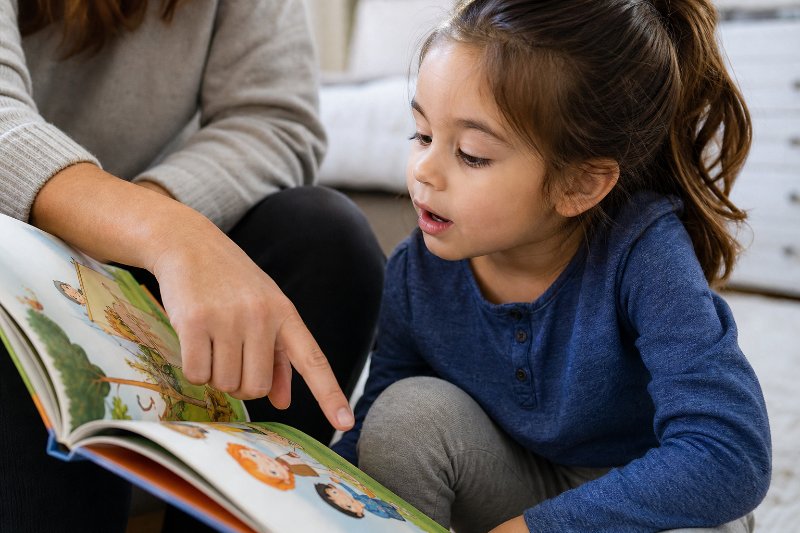
FAQ: SEL Books for Parents and Educators
SEL books work best as conversation starters, not quick fixes. Used with patient read-alouds and a few thoughtful questions, they help children name feelings, practice empathy, and talk through hard moments.
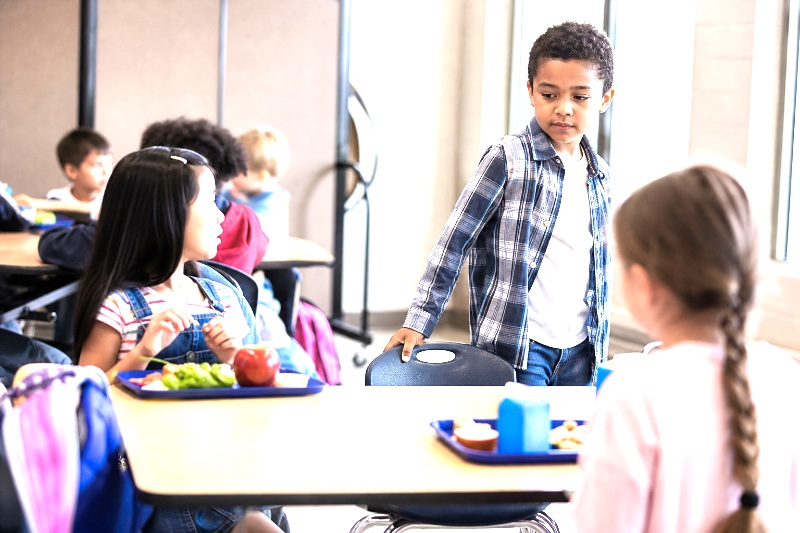
Why Stories Teach Empathy Best in Kids
Stories give children a safe way to practice compassion by watching characters feel left out, worried, or hurt, then seeing kindness and repair in action. That emotional rehearsal helps empathy grow more naturally than direct instruction alone.
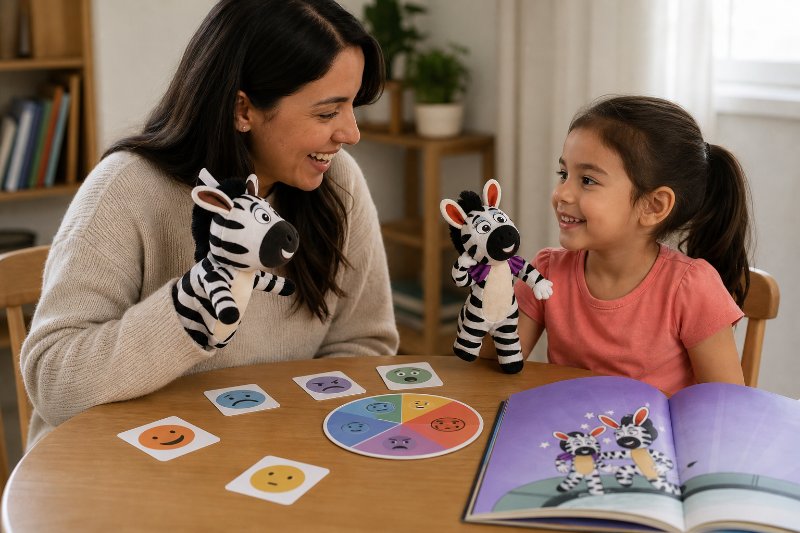
How to Extend Storytime: Emotional Learning
Storytime sticks when children act out, draw, or talk through a character’s feelings after the book ends. Those simple follow-ups turn a picture book into real practice with naming emotions, empathy, and self-expression.