
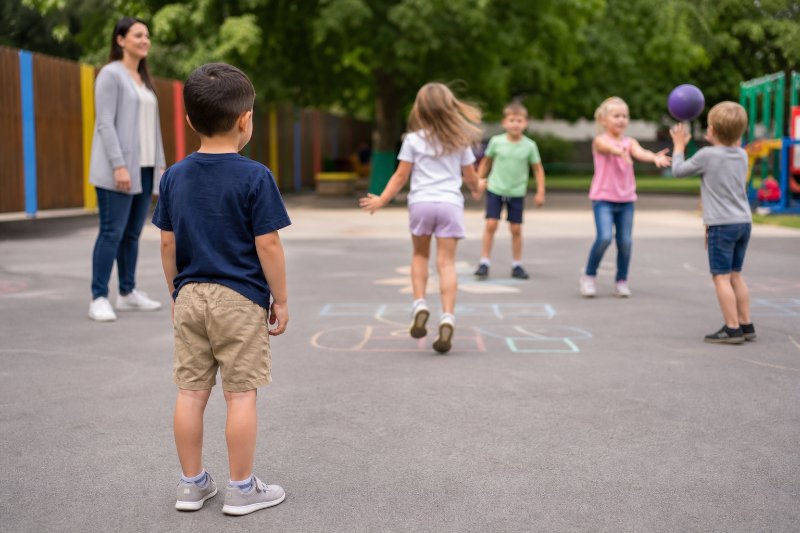
Helping Kids Make Friends: Simple Tips
Kelly Anderson
Your child may want friends with their whole heart and still not know how to begin. They may hover near a group at the playground, squeeze your hand at a birthday party, or come home from preschool saying, “Nobody played with me,” in a voice that breaks something open in you.
Friendship can look simple from the outside. Children run, laugh, share crackers, and create games with rules no adult fully understands. But beneath those sweet moments are skills your child is still learning: reading faces, taking turns, handling “no,” joining play, recovering after hurt feelings, and finding the courage to try again.
When you help your child make friends, you are not trying to turn them into the loudest child in the room. You are helping them feel safe enough to connect as themselves. That kind of emotional learning is tender, practical, and deeply worthwhile.
Why Friendship Skills Matter So Much Right Now
Friendship is one of the first places children learn who they are in relation to others. Through play, your child learns that their ideas matter, other people have feelings too, and connection can survive small conflicts. These early experiences shape confidence, self-expression, and resilience.
Children are practicing social courage
For many children, saying “Can I play?” takes real bravery. Adults may hear a small question. Your child may feel the risk of rejection, embarrassment, or not knowing what to do next. If your child is shy, sensitive, highly observant, or slower to warm up, friendship may require even more emotional energy.
This does not mean something is wrong. It means your child may need gentle support before, during, and after social moments. You can be the calm bridge between wanting connection and knowing how to reach for it.
Play has changed for many families
Across the US, many families have busy schedules, long commutes, structured activities, and fewer casual neighborhood play opportunities than past generations often had. Some children spend more time in adult-led settings and less time in open-ended play with different personalities.
This can make friendship skills feel less automatic. Children may need more practice with ordinary social moments, like waiting for a turn, entering a game already in progress, coping when someone chooses another partner, or staying kind when play does not go their way.
Big feelings often show up through friendship
A child who knocks down blocks after being excluded is not simply “being difficult.” A child who refuses to go to soccer after one awkward practice may be carrying embarrassment. A child who becomes bossy during play may be trying to create certainty in a moment that feels socially unpredictable.
Friendship struggles are often emotional regulation struggles in disguise. When you see the feeling underneath the behavior, you can respond with more compassion and more useful guidance.
What to Consider Before You Worry
It is easy to panic when your child seems lonely or unsure. Your protective heart may rush ahead, wondering if they will always feel left out. But early childhood friendship is still forming. Children grow socially at different rates, and many need time to find their rhythm.
Temperament shapes how children connect
Some children walk into a room and join a group within minutes. Others watch for a long time before participating. Some prefer one close friend over a large group. Some enjoy parallel play, where they play beside another child without much talking. These differences are not failures.
Your child’s temperament gives you clues. A cautious child may benefit from smaller playdates. An energetic child may connect best through movement, like climbing, chasing bubbles, or kicking a ball. A deeply imaginative child may thrive with pretend play. A child who loves facts may bond over dinosaurs, space, bugs, or trains.
The goal is not to force one style of friendship. The goal is to help your child find connection in a way that honors who they are.
Age matters more than many parents realize
Toddlers may grab toys, shout “Mine,” or walk away mid-game because they are still learning that other people have separate wants. Preschoolers may call someone their “best friend” in the morning and feel crushed by that same child in the afternoon. Early elementary children may start caring more about group belonging, fairness, and loyalty.
When you understand what is typical for your child’s age, you can stay steadier. You can teach without shame. You can say, “You wanted the truck so much. Your friend was using it. Let’s practice asking for a turn,” instead of treating the moment as a character problem.
Friendship is built from many small skills
Making friends is not one skill. It is a set of gentle, learnable abilities. Your child is learning how to greet someone, ask to join, offer an idea, listen to another idea, share space, repair after conflict, and keep playing when things change.
Books, pretend play, family conversations, and calm coaching all help because they give your child language before the emotional moment arrives. This is one reason many parents use kids books as part of social-emotional learning. A story lets your child watch friendship from a safe distance, then talk about what the characters felt, tried, and learned.
Common Friendship Misconceptions Parents Can Release
When your child struggles socially, you may carry quiet questions. Did you miss something? Should you step in more? Less? Is your child too shy, too intense, too emotional, or too independent? Many of these worries come from common misconceptions about childhood friendship.
“My child needs lots of friends to be happy”
Some children truly enjoy a wide circle. Others feel most secure with one or two familiar companions. A child with one warm friendship is not necessarily missing out. In fact, a close friendship can give a child a strong sense of belonging and confidence.
Instead of counting friends, look for signs of emotional safety. Does your child feel accepted? Do they have chances to play in ways they enjoy? Are they learning to repair small conflicts? Do they have opportunities to meet children in low-pressure settings? These questions are often more helpful than asking whether they are popular.
“If I step in, I am interfering”
Children need room to practice, but they also need support. You do not have to solve every disagreement, and you do not have to script every sentence. Still, gentle coaching can be very appropriate, especially for young children.
For example, if your child stands near a group but cannot enter, you might quietly offer, “You could ask, ‘What are you playing?’” If another child says no, you can help your child recover without making rejection feel dangerous: “That hurt. You wanted to join. Let’s take a breath and think of another place to play.”
This kind of support teaches your child that social discomfort is survivable. That is a powerful lesson.
“Conflict means the friendship is unhealthy”
Some conflict is part of learning. Children argue over rules, toys, roles, and fairness because they are still developing perspective-taking and self-control. A disagreement does not automatically mean the friendship is bad.
What matters is whether children can return to safety. Can they calm down? Can an adult help them name what happened? Can they try again with better words? Repair is one of the most important friendship skills your child can learn.
Of course, repeated cruelty, exclusion, intimidation, or physical harm should be taken seriously. Your child deserves protection and advocacy. But ordinary friction during play can become a valuable learning moment when handled with calm guidance.
The Zebra Baby series helps children feel safe, confident, emotionally understood, and proud of who they are through warm, relatable storytelling and emotionally supportive learning moments.
If your child is practicing how to join play, handle hurt feelings, or try again after a hard moment, choose a Zebra Baby story to read together this week at www.zebrababybooks.com. After the story, ask, “What did the character feel?” and “What could they try next time?” These small conversations can give your child words to carry into real friendships.
Disclaimer: Zebra Baby content is created for educational and storytelling purposes only and is not a substitute for professional medical, mental health, or therapeutic advice.
Related Articles
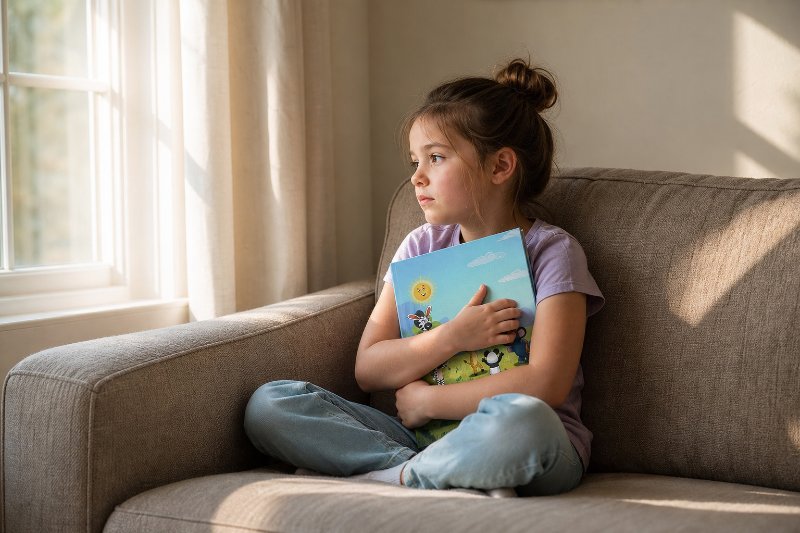
SEL Books for Elementary Students by Monday
SEL stories work best when they give elementary students a safe way to talk about hard moments through characters first. The right book can turn frustration, friendship troubles, and school-day stress into calmer conversations at home.
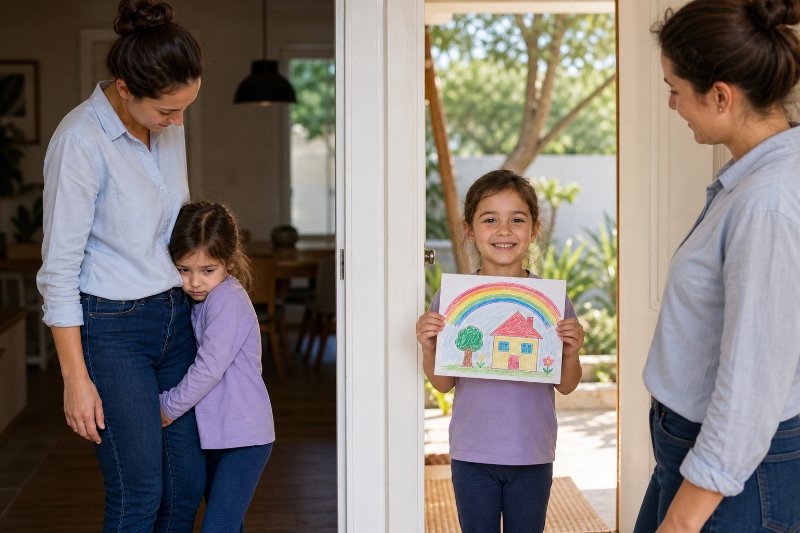
Self-Esteem vs. Self-Confidence
Self-esteem is a child’s sense of worth, self-confidence is their belief in what they can do. Supporting both means helping them feel loved through mistakes and capable through practice.
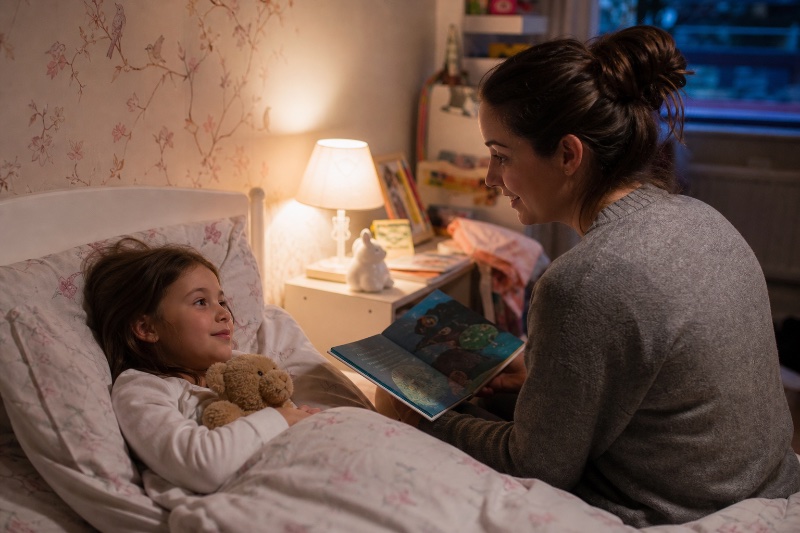
Are Bedtime Stories for Kids Worth It?
Bedtime stories do more than fill the minutes before sleep, they give children a safe way to work through worries, name feelings, and settle into a calmer routine.