
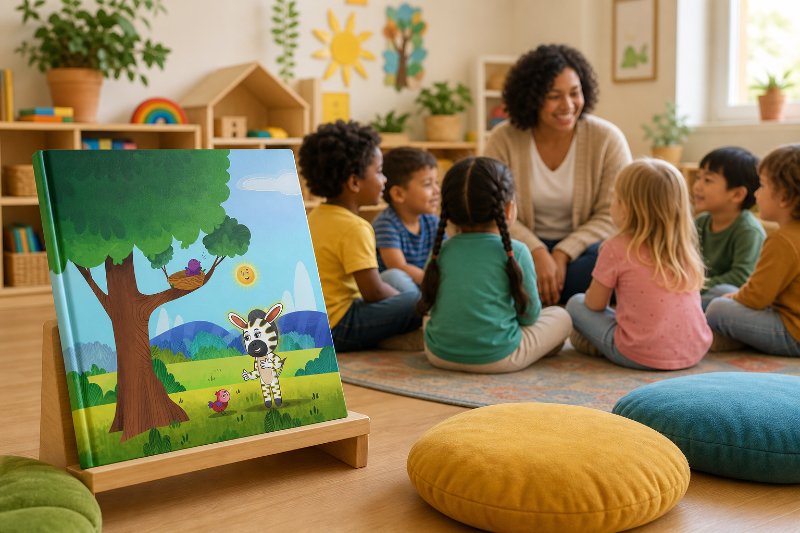
New SEL Book for Kids: Zebra Baby Believes in Herself
Kelly Anderson
A child stands at the edge of something unfamiliar. Maybe it is a climbing structure, a new classroom activity, or a chance to speak in front of others. Part of them wants to try. Another part whispers, “What if I can’t?” These quiet moments matter. They are opportunities for children to learn that confidence does not always mean feeling certain. Sometimes, confidence means listening to yourself, making a thoughtful choice, and trying even while you feel nervous. Zebra Baby is celebrating the release of Zebra Baby Believes in Herself by Kelly Anderson. Released August 22, 2026, the book is now available through Amazon’s listing for Zebra Baby Believes in Herself and the IngramSpark bookstore. It offers families a warm story about courage, resilience, confidence, and learning to trust your own inner voice.
A New Story About Believing in Yourself
Believing in yourself can sound like a large, abstract lesson for a young child. Yet children meet this lesson in ordinary experiences every day. They encounter it when they attempt to pour water without spilling, enter a room where they do not know anyone, choose an answer during group time, or try a physical skill that feels challenging. They may want reassurance from you, but they are also beginning to form their own sense of capability. Zebra Baby Believes in Herself brings this emotional learning into a story children can understand. The YES24 description of the book presents it as a gentle social-emotional picture book centered on confidence, courage, and trusting yourself when something feels difficult. That distinction is meaningful. Self-trust is not the belief that everything will be easy or that every attempt will succeed. It is the growing belief that you can meet a difficult moment, listen to your feelings, ask for support, and decide what to do next.
Confidence can be quiet
Adults sometimes picture confidence as boldness. A confident child might appear eager, talkative, or willing to go first. But confidence can also look quieter. It may look like a child watching carefully before joining a game. It may mean asking a question instead of pretending to understand. It can appear as a child saying, “I want to try, but please stay close.” These behaviors do not show weakness. They show awareness. Children can be cautious and confident at the same time. A gentle story creates room for that more complete understanding of courage.
Courage includes honest feelings
Children do not need to stop feeling afraid before they can act with courage. Fear, uncertainty, and confidence can exist together. This is one reason storytelling is such a supportive emotional learning tool. A character can experience a big feeling without being defined by it. Your child can watch the character pause, think, respond, and grow. That small emotional distance often makes a sensitive topic easier to explore.
What Children Can Learn From Zebra Baby’s Experience
A picture book does more than communicate a lesson. Through words, images, repetition, and connection, it gives children a safe place to rehearse ideas they may need later. The current Amazon book listing describes Zebra Baby Believes in Herself as supporting confidence, courage, resilience, and self-trust. Those qualities are closely connected, but each contributes something different to a child’s emotional growth.
Feelings offer information
A nervous feeling may tell a child that an experience is new or important. Frustration may signal that they need a pause, another approach, or some help. Excitement may encourage them to move closer and participate. Children often need support separating a feeling from an instruction. Feeling scared does not always mean, “Do not do this.” It may mean, “Slow down and look carefully.” Feeling frustrated does not always mean, “Give up.” It may mean, “This matters to me, and I need support.” You can help your child become curious about feelings rather than ashamed of them.
Trying is not the same as performing perfectly
Children may begin comparing their abilities with those of siblings, friends, or classmates. One child climbs quickly. Another draws detailed pictures. Someone else remembers every word of a song. A story about self-belief can gently redirect attention from comparison to personal effort. The more useful question becomes, “What can I try?” rather than, “Am I as good as someone else?” This does not require praising every result. You can notice preparation, patience, creative thinking, honesty, and willingness. Specific observations help children understand what they actually did.
Support and independence can grow together
Self-trust does not require children to handle everything alone. In healthy parent-child connection, support provides the emotional safety from which independence can grow. You might stay nearby while your child attempts a task, offer words for a difficult feeling, or remind them that help is available. Your presence communicates, “You are capable, and you do not have to be alone.” Over time, your child may begin using the same reassuring language internally. Your calm voice can gradually become part of their own self-talk.
How to Use the Book for Emotional Learning
There is no need to turn storytime into a formal lesson. Warmth, attention, and open conversation are often enough. The goal is not to test whether your child understood the message. It is to make space for self-expression.
Pause without interrupting the story’s flow
During an early reading, your child may simply want to hear what happens. Let the story carry them. On later readings, you can pause at emotionally meaningful moments. You might say, “Zebra Baby seems unsure here,” or ask, “What do you notice about her face?” Keep your tone curious. A child may respond with words, gestures, or silence. All are acceptable forms of participation. If your child gives an answer you did not expect, resist correcting it immediately. Their response may reveal how they interpret fear, bravery, or uncertainty. You can learn a great deal by listening.
Connect the story to familiar experiences
After reading, gently connect the character’s experience with your child’s life. You might remember a time they approached a new slide, tasted unfamiliar food, or entered a birthday party feeling hesitant. Keep the connection warm and specific: “You looked unsure at first, and then you asked me to stand beside you.” This type of reflection shows your child that courage can include seeking closeness and taking time. Avoid using the story to pressure them. “Zebra Baby did it, so you should too” changes a supportive character into a standard your child must meet. Instead, let the book open a conversation about possible choices.
Practice language children can carry with them
Short phrases are often easier for young children to remember during an emotional moment. Together, you can explore language such as:
“I can take my time.”
“I can ask for help.”
“I do not know how yet.”
“I can listen to my feelings.”
“One hard moment does not define me.”
You do not need to insist that your child repeat these statements. Say them naturally during play, routines, and bedtime stories. Familiar language becomes more available when it has been heard without pressure.
Let play continue the conversation
Children frequently express ideas through play before they can explain them directly. After reading, toy animals might face a difficult jump, enter a new pretend school, or decide whether to ask a friend for help. Follow your child’s lead. If a character becomes scared, you might wonder aloud what would help the character feel emotionally safe. If the character makes a mistake, you can ask what they might try next. Play allows children to explore choices without being placed at the center of the discussion. It also lets them change the ending, repeat the hard part, or invent support that feels right to them.
Making Self-Belief Part of Everyday Family Life
A book can begin an important conversation, but self-belief develops through repeated experiences. Daily interactions teach children whether their feelings are welcome, whether mistakes are survivable, and whether their ideas deserve attention.
Notice effort with honesty
Broad praise can feel encouraging, but specific observations give children clearer information. Instead of saying only, “You’re amazing,” you might say, “You kept adjusting those pieces until they fit,” or, “You told me you were nervous and still chose to join.” This language does not make love dependent on achievement. It helps your child recognize their own actions, choices, and persistence.
Make room for reasonable hesitation
Not every hesitation needs to be pushed aside. A child may need time to observe, gather information, or feel secure. Respecting that pause can strengthen self-trust because it shows that their internal signals matter. You can still offer gentle encouragement. Try, “You do not have to decide immediately. Let’s watch for a moment,” or, “Would it help if we tried together?” Confidence built through emotional safety is more durable than compliance created through pressure.
Respond calmly to setbacks
Self-belief is especially important after something goes differently than hoped. A child may miss the ball, forget a line, or decide they were not ready after all. You can acknowledge the disappointment without rushing to erase it. “You wanted that to work, and it hurts that it didn’t” communicates understanding. Later, you can talk about what they learned, what support might help, or whether they want another attempt. Resilience is not constant persistence. Sometimes it includes resting, changing strategies, or choosing a different goal.
A Gentle Invitation to Trust the Voice Within
Zebra Baby Believes in Herself gives families a caring way to talk about courage without pretending fear disappears. Through shared reading, thoughtful pauses, imaginative play, and calm everyday language, you can help your child see that feelings are welcome and challenges can be approached with self-trust.
To bring more warm, emotionally supportive stories into your family’s reading time, explore the Zebra Baby book series, created to help children feel safe, confident, understood, and proud of who they are. You can also browse the Zebra Baby paperback series on Amazon and choose a story that speaks to the feelings your child is learning to express.
Disclaimer: Zebra Baby content is created for educational and storytelling purposes only and is not a substitute for professional medical, mental health, or therapeutic advice.
Related Articles
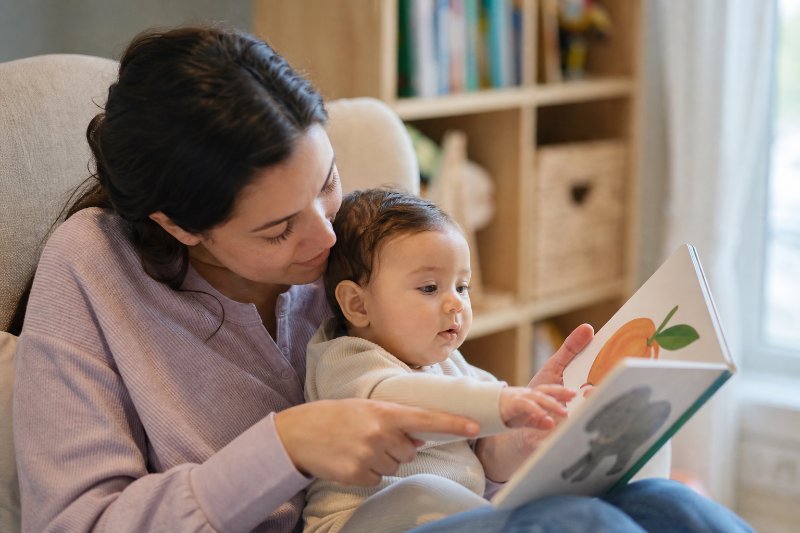
When Do Babies Start Understanding Books?
Babies begin “understanding” books long before they can follow a story, first through voice, closeness, and routine. By the later months, they start recognizing pictures, gestures, and repeated words.
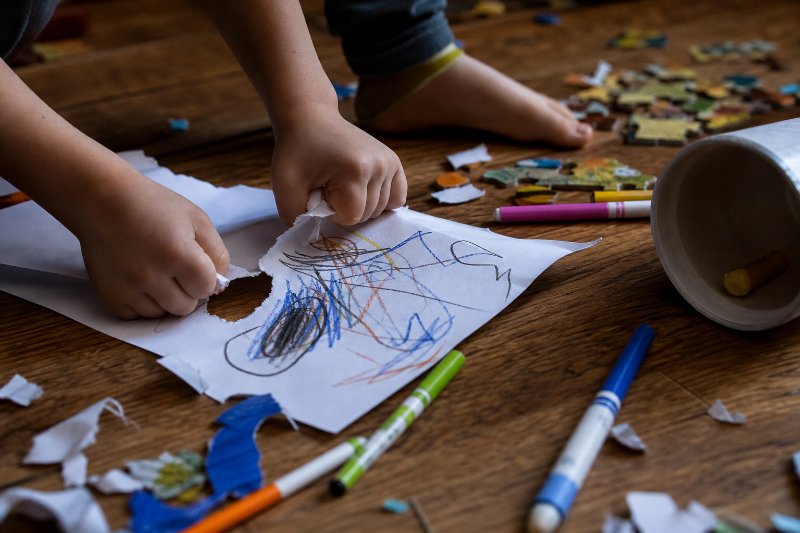
Signs Your Child Struggles With Emotional Regulation
Frequent meltdowns, long recovery times, and trouble using words instead of hitting can signal more than a rough day. The article explains when big feelings are still typical and when extra support may help daily life feel calmer.

20 No-Prep Rainy Day Toddler Ideas
Rainy-day toddler play does not need crafts or supplies, simple movement, pretend play, and cozy indoor games can ease frustration while building flexibility, language, and connection.