
When Do Babies Start Understanding Books?
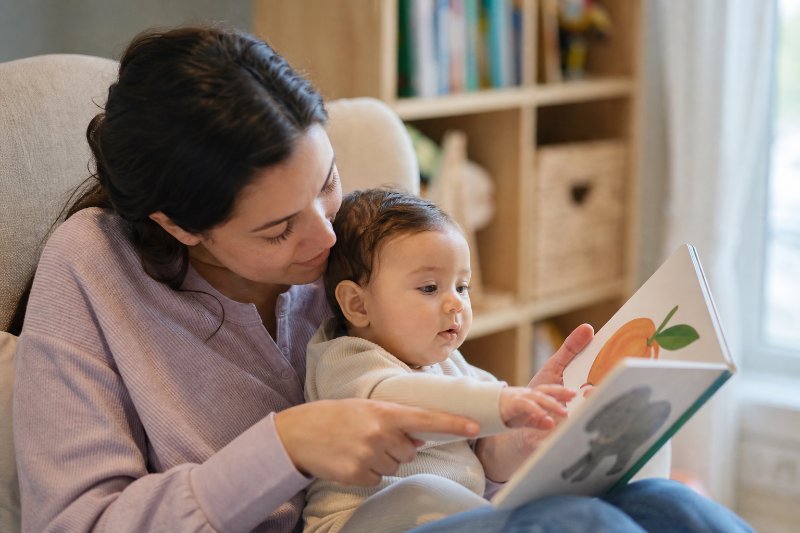
Your baby may not understand a book the way an older child does, with plot, characters, and clear lessons. But that does not mean storytime is “too early.” Long before your baby can say “again,” turn pages carefully, or point to the dog on the page, their brain is learning that books have rhythm, faces, sounds, comfort, and connection. In the first months, understanding begins as feeling. Your baby hears your voice soften. They notice your face close to theirs. They feel your arms around them. Over time, those cozy moments become familiar routines. The book becomes a signal: “You are safe. Someone is with you. Something interesting is about to happen.” So, when do babies start understanding books? The honest answer is gradual. Babies begin absorbing parts of book sharing from early infancy, but their “understanding” changes month by month. At first, they respond to sound and closeness. Later, they recognize pictures, copy gestures, connect words to objects, and eventually anticipate parts of the story.
What “Understanding Books” Means for Babies
For babies, book understanding is not the same as reading comprehension. It is not about knowing the ending, naming every picture, or sitting still for a full story. In early childhood, understanding grows through attention, movement, emotion, and repetition. A baby might understand a book by calming when you use a familiar bedtime voice. A few months later, understanding might look like patting a page, smiling at a favorite animal, or opening their mouth when you say, “The baby eats.” Later still, your child may point, babble, fill in a repeated sound, or bring the same book to you again and again. The CDC’s developmental milestones explain that children reach milestones in how they play, learn, speak, act, and move. That is a helpful frame for books, because babies do not learn from storytime through words alone. They learn through the whole experience: your voice, their body, the pictures, the page turns, and the emotional tone in the room.
Understanding starts before words
In the earliest months, your baby’s book experience is mostly sensory. They hear sounds, see contrast, and feel the rhythm of being held. A newborn does not know that a board book is a book, but they can begin to link your voice with comfort. By around three months, many babies are more alert during face-to-face moments, and shared reading can become part of a home literacy environment. Research on an infant book gifting scheme studied parents receiving a book pack when their babies were 3 months old, showing that shared book routines can be meaningfully supported very early in infancy through family-centered experiences in early home literacy research. This does not mean your three-month-old needs formal lessons. It means that a few warm minutes with a book can already be meaningful.
Books are social before they are academic
A baby’s first “book skill” may be looking at your face instead of the page. That still counts. Your facial expressions help them understand whether a story feels silly, calm, surprising, or tender. This is why shared reading is so powerful for parent-child connection. You are not only showing pictures. You are offering emotional safety. You are giving your baby a gentle pattern: voice, pause, smile, touch, repeat.
How Book Understanding Changes Month by Month
Babies do not follow a strict schedule, and you never need to panic if your child is more interested in chewing a book than listening to it. Chewing, grabbing, dropping, and closing the book are all part of learning what books are. Still, it can help to know what book understanding may look like as the months pass. In the first three months, babies often experience books through sound, closeness, and contrast. High-contrast images, lullaby-like language, and your calm voice matter more than the story itself. If your baby looks away, squirms, or falls asleep, the reading still “counts.” You are building familiarity. Around four to six months, babies may begin watching pictures for longer moments. They may reach toward the book, bat at pages, or smile when your voice becomes animated. At this stage, understanding often looks like interest. Your baby is learning that books are objects people share together. By seven to nine months, many babies become more physically involved. They may grab the book, mouth it, slap the page, or try to help turn pages. This can feel chaotic, especially if you imagined a peaceful storytime. But this hands-on curiosity is part of early learning. A sturdy board book is often better than a delicate paper book because your baby can participate without constant correction. Around ten to twelve months, babies may begin connecting repeated words with familiar images or actions. If you always roar when you see the lion, your baby may brighten before you even make the sound. If you pause before a favorite phrase, they may bounce, babble, or look at you expectantly. That anticipation is a beautiful sign of understanding. In the second year, your child may point, label familiar pictures, imitate animal sounds, and bring you favorite books. They may also insist on the same book many nights in a row. Repetition can feel tiring for you, but it is deeply useful for them. Each repeat helps your child feel more confident because they know what is coming. Research on natural shared book reading has examined typically developing children between 6 months and 3 years old, focusing on the frequency, form, and function of child communication during these early reading experiences in shared book reading research. That wide age span is a gentle reminder that communication during storytime grows over time, from gestures and sounds into clearer words and participation.
Signs Your Baby Is Understanding More Than You Think
Baby book understanding is easy to miss because it often appears in small behaviors. Your child does not need to sit still or answer questions to be learning.
They respond to your reading voice
If your baby calms, smiles, wiggles, or becomes alert when you begin a familiar story, they may be recognizing the routine. Your voice is part of the book experience. For many babies, the emotional tone of reading is the first layer of meaning. This is especially important at bedtime. A soft story voice can help signal that the day is slowing down. Over time, your baby may begin to associate books with comfort, closeness, and rest.
They show preferences
A baby who reaches for one book, stares at one page, or fusses when you close a favorite story is showing early preference. Preference is a form of understanding. It says, “I know this one. I like this one. I want more.” These preferences may not match adult expectations. Your baby may love the page with a shoe, a duck, or a simple smiling face. That is okay. Babies are drawn to what feels clear, familiar, or emotionally engaging.
They use their body to join in
Turning pages backward, patting pictures, kicking legs, clapping, bouncing, and pointing can all be forms of participation. Babies learn with their bodies. A child who cannot yet say “ball” may still pat the ball on the page every time it appears. You can treat these actions as communication. If your baby touches a picture, you might say, “Yes, that’s the puppy. Soft puppy.” This gives language to their interest without turning storytime into a quiz.
They anticipate repeated moments
Repetition is one of the clearest signs that your baby is beginning to understand a book’s pattern. They may lean in before a flap opens, laugh before a silly sound, or look at you right before a favorite phrase. Anticipation shows memory, connection, and growing confidence. Your baby is not just hearing random words. They are beginning to know what belongs in this shared moment.
The Zebra Baby series helps children feel safe, confident, emotionally understood, and proud of who they are through warm, relatable storytelling and emotionally supportive learning moments. These stories can support early book understanding by giving families gentle routines, familiar feelings, repeated language, and caring characters to return to again and again.
If you want books that make storytime feel calm, connected, and meaningful, explore the Zebra Baby series and choose stories that help your child build comfort, confidence, and early emotional awareness through shared reading.
Disclaimer: Zebra Baby content is created for educational and storytelling purposes only and is not a substitute for professional medical, mental health, or therapeutic advice.
Related Articles
Signs Your Child Struggles With Emotional Regulation
Frequent meltdowns, long recovery times, and trouble using words instead of hitting can signal more than a rough day. The article explains when big feelings are still typical and when extra support may help daily life feel calmer.
20 No-Prep Rainy Day Toddler Ideas
Rainy-day toddler play does not need crafts or supplies, simple movement, pretend play, and cozy indoor games can ease frustration while building flexibility, language, and connection.
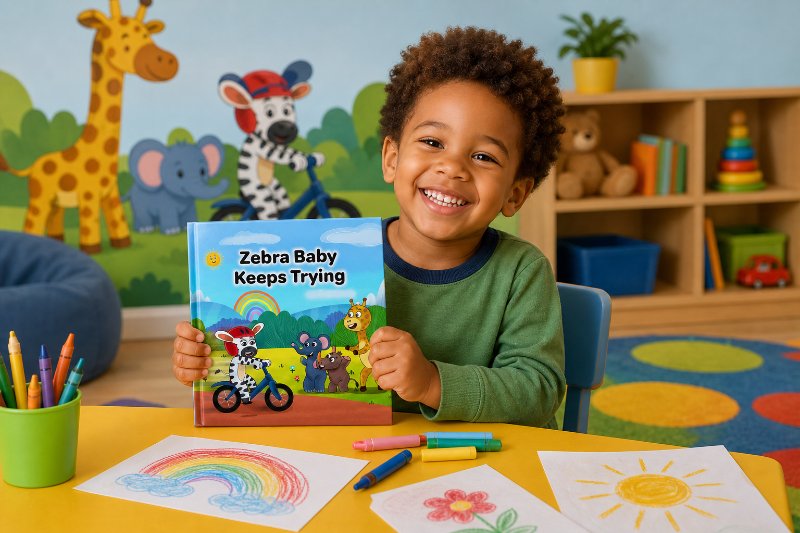
Zebra Baby Keeps Trying: A New Children's Book About Perseverance
Zebra Baby's latest release for ages 2 to 6, Zebra Baby Keeps Trying shows how emotional safety, encouragement, and each new attempt can build early perseverance.