
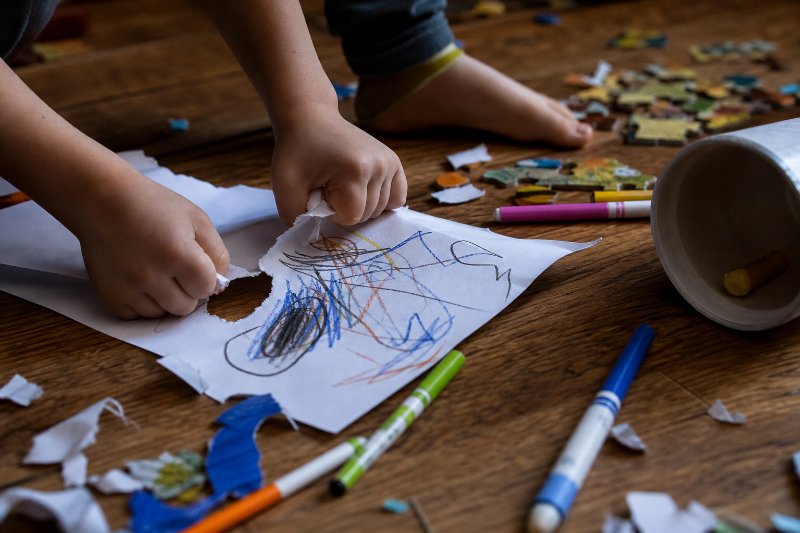
Signs Your Child Struggles With Emotional Regulation
Kelly Anderson
Some days, your child’s feelings seem to fill the whole room. A missing shoe turns into sobbing. A sibling reaching for a toy leads to shouting. Bedtime feels tender one night and impossible the next. You may find yourself wondering, “Is this normal development, or does my child need more support?” That question comes from care, not fear. Self-regulation is not something children are born knowing how to do. It develops slowly through safety, repetition, language, connection, and practice. Your child’s brain is still learning how to pause, name a feeling, make a choice, and recover after being upset. Still, there are times when a child’s big feelings become so frequent, intense, or hard to recover from that extra support can make daily life gentler for everyone. The goal is not to stop emotions. The goal is to help your child feel understood, safe, and capable when emotions rise.
Why Self-Regulation Takes Time to Develop
Self-regulation is the ability to manage feelings, body energy, attention, and behavior in a way that fits the moment. For a young child, this might look like waiting a short turn, using words instead of hitting, calming down after disappointment, or accepting a limit with support. In early childhood, self-regulation is still under construction. Your child may know the rule, “Use gentle hands,” but forget it when anger takes over. They may understand that bedtime happens every night, yet still feel overwhelmed when playtime ends. This does not mean they are being difficult on purpose. It often means the feeling is bigger than their current coping skills.
Co-regulation Comes Before Self-Regulation
Before children can calm themselves, they usually need calm support from you. This is called co-regulation, although you do not need the term to practice it. It means your steady voice, soft face, predictable limit, and warm presence help your child’s nervous system settle. A child who is crying because the wrong pajamas are in the wash is not asking for a lecture. They are often asking, through their behavior, “Can you stay with me while this feeling is too much?” Over time, your calm becomes something they can borrow, then practice, then slowly carry inside themselves.
Big Feelings Are Not the Problem
Anger, sadness, jealousy, fear, excitement, and frustration are all normal parts of childhood. Emotional learning begins when children learn that feelings are allowed, while some behaviors still need limits. You can hold both truths at once: “You are allowed to be mad, and I will not let you hit.” That kind of emotional safety teaches your child that love does not disappear when feelings get messy.
Behavioral Signs Your Child May Need More Support
Every child has hard days. The concern grows when patterns repeat often, interfere with daily routines, or leave your child feeling ashamed, isolated, or out of control. Research descriptions of emotional regulation struggles often include “low frustration tolerance, heightened emotional reactivity, and difficulty recovering from distress,” as discussed in this study on emotional dysregulation in early childhood. In everyday family life, those patterns can show up in many ways.
Frequent Outbursts That Feel Larger Than the Situation
You might notice that small disappointments regularly become long, intense meltdowns. A broken cracker, a changed plan, a screen turning off, or a sibling choosing the first book may lead to screaming, throwing, running away, or full-body distress. The size of the reaction may seem confusing from the outside. Inside your child, though, the feeling may be arriving like a wave. Your child may not yet have the skills to pause and say, “I feel disappointed, and I need help.”
Low Frustration Tolerance
Some children fall apart quickly when something is hard. A puzzle piece will not fit. A shoe feels tight. A drawing does not look the way they hoped. Instead of trying again, they may crumple the paper, yell “I can’t,” refuse help, or quit immediately. This can be especially painful for sensitive children who want to do well. Their frustration may hide fear, embarrassment, or a belief that mistakes mean failure. Gentle support helps them learn that struggle is not danger. It is part of learning.
A Long Recovery After Upset
Many children cry or protest when upset. A sign that more support may be needed is when recovery takes a very long time, happens only with great effort, or keeps returning throughout the day. Your child may calm for a moment, then restart the upset again. They may seem stuck in the feeling, unable to return to play, dinner, schoolwork, or bedtime. This can be exhausting for you and frightening for them.
Emotional Signs That Can Be Easy to Miss
Not every child shows self-regulation struggles through loud behavior. Some children turn their distress inward. Because they are quiet, adults may miss how much support they need.
Irritability, Anger, or Constant Tension
A child who often seems annoyed, sharp, or ready to explode may be carrying more emotional load than they can manage. Current research has also found that emotion dysregulation, especially emotional lability, has a significant relationship with symptoms of externalizing disorders, according to a systematic review and meta-analysis on emotion dysregulation in children and adolescents. That does not mean every irritable child has a disorder. It does mean repeated emotional swings deserve compassion and attention, especially if they are affecting home, school, friendships, or family routines.
Withdrawal After Big Feelings
Some children shut down instead of acting out. They may hide, stop talking, refuse comfort, avoid eye contact, or say things like “Nobody likes me” after a mistake or correction. This can be a self-protective response. Your child may feel overwhelmed by shame or worry. A quiet child still needs connection, but they may need it offered softly: “I’m nearby. You do not have to talk yet. I love you while this feeling is here.”
Worry About Normal Daily Moments
A child who struggles with regulation may become very anxious before transitions, new activities, separation, group settings, or bedtime. They may ask the same questions repeatedly, cling, complain of stomachaches, or resist leaving the house. The behavior can look like refusal. Underneath, it may be your child’s way of saying, “This feels too uncertain. I need more safety before I can move forward.”
How These Signs Can Show Up at Home, School, and With Peers
Self-regulation is not only about tantrums. It affects how your child participates in family life, learns in a classroom, and connects with other children.
At Home
At home, you may see battles around ordinary routines. Getting dressed, brushing teeth, leaving the playground, sharing attention with a sibling, or settling into bed may become emotionally charged. You may also notice that your child does well in one part of the day and struggles in another. After school restraint collapse is common for many families: a child holds it together all day, then releases everything at home. Your child’s hardest behavior may happen where they feel safest.
At School or Child Care
In group settings, self-regulation challenges may appear as interrupting, running from activities, refusing directions, crying during transitions, grabbing toys, or needing frequent adult help to recover from frustration. Teachers may describe your child as bright and caring, but easily overwhelmed. That combination matters. A child can be capable and still need support. Skill and struggle often live side by side.
With Friends and Siblings
Peer play asks a lot of a child. They must wait, share, handle losing, read facial expressions, use words, accept “no,” and stay flexible. If your child often has conflicts, becomes controlling during play, quits when they do not win, or feels deeply rejected by small slights, self-regulation support may help. The aim is not to make your child socially flawless. It is to give them tools for repair: “Can I try again?” “I did not like that.” “Let’s trade.” “I need a break.”
The Zebra Baby series helps children feel safe, confident, emotionally understood, and proud of who they are through warm, relatable storytelling and emotionally supportive learning moments.
For gentle stories that support emotional growth, visit the Zebra Baby series.
Disclaimer: Zebra Baby content is created for educational and storytelling purposes only and is not a substitute for professional medical, mental health, or therapeutic advice.
Related Articles
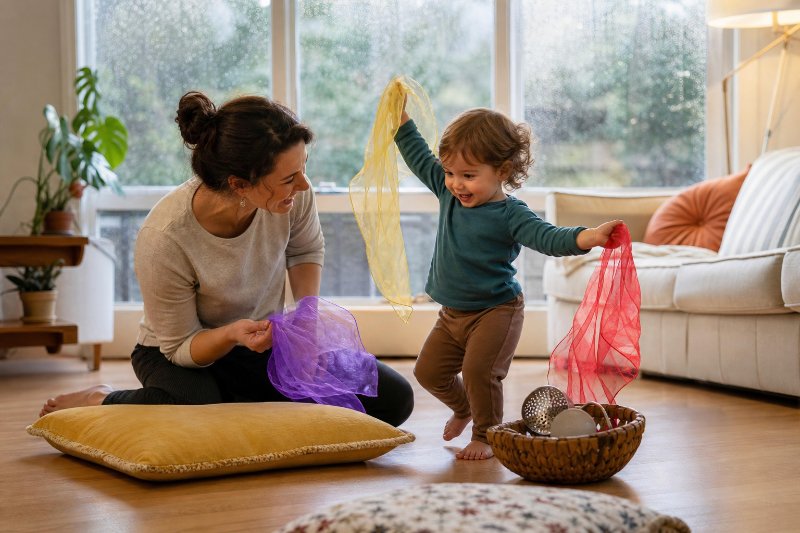
20 No-Prep Rainy Day Toddler Ideas
Rainy-day toddler play does not need crafts or supplies, simple movement, pretend play, and cozy indoor games can ease frustration while building flexibility, language, and connection.
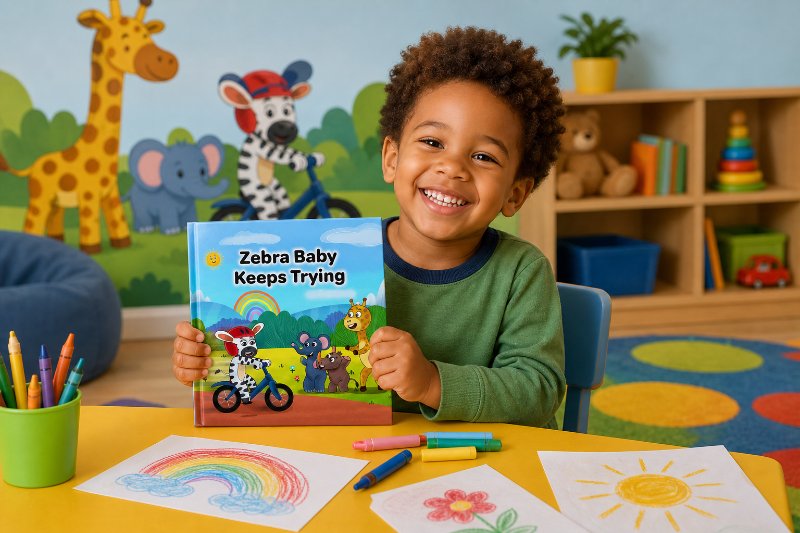
Zebra Baby Keeps Trying: A New Children's Book About Perseverance
Zebra Baby's latest release for ages 2 to 6, Zebra Baby Keeps Trying shows how emotional safety, encouragement, and each new attempt can build early perseverance.

How To Choose The Best Emotional Learning Books for Kids
The best picks use story, not lectures, to build empathy and emotional literacy, helping children practice feelings through characters who are sad, angry, left out, or brave.