
Parenting Resources for Portland by 6 Weeks
Kelly Anderson
When your child melts down over socks, refuses a goodbye, clings at bedtime, or says “I don’t know” when asked what is wrong, you may feel a quiet ache. You want to help, but you may not know which words will soothe, which tools are trustworthy, or where to turn first. That is why many families look for parenting resources in Portland, Oregon, especially when big feelings begin showing up in daily routines.
The hopeful news is that support does not have to feel clinical, cold, or overwhelming. Some resources help with school readiness. Some support language and literacy. Some help caregivers build calmer daily rhythms. And some, like Zebra Baby, focus on children’s emotional learning books, bedtime stories, gentle storytelling, and parent-child connection, so emotional growth can begin in the warm moments you already share.
If you are looking for parenting resources Portland Oregon families can actually use at home, it helps to understand the different kinds of support available, how they work together, and how to choose resources that honor your child’s age, temperament, culture, and emotional safety.
What Strong Parenting Support Looks Like in Early Childhood
Good parenting support is not about making your child behave on command. It is about helping you understand what your child’s behavior may be communicating. In early childhood, crying, hiding, yelling, repeating questions, or refusing transitions often signal needs your child cannot yet explain clearly. A strong resource gives you language, structure, and reassurance without making you feel judged.
Emotional learning begins before children have mature words
Young children feel deeply before they can name what they feel. A preschooler may not say, “I am disappointed because I expected more time with you.” Instead, they may throw a toy, run away, or say something sharp. Emotional learning teaches children to recognize feelings, connect feelings to experiences, and begin practicing safe ways to express them.
This is where children’s emotional learning books and bedtime stories can be especially helpful. A story gives your child a little distance from their own strong feeling. They can watch a character feel worried, jealous, brave, sad, or proud. Through gentle storytelling, your child can practice emotional vocabulary without feeling corrected. You are not lecturing. You are sitting together, turning pages, and creating room for self-expression.
School readiness includes more than letters and numbers
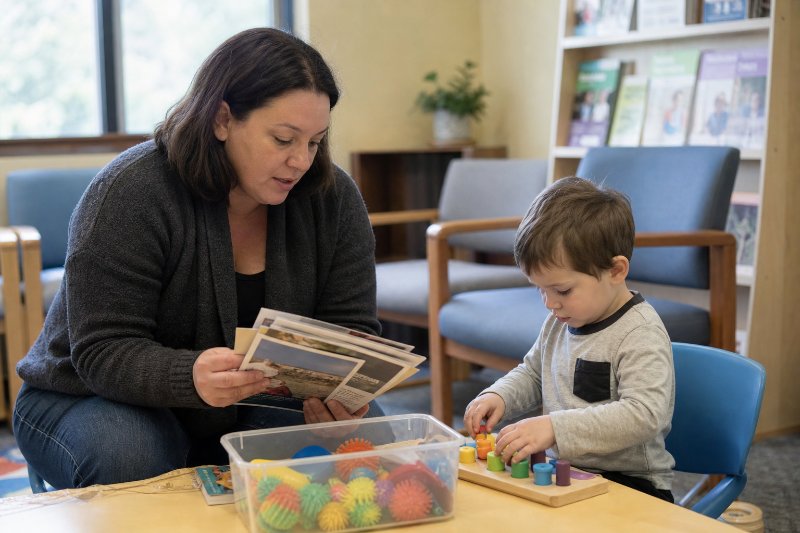
Parents often think of school readiness as knowing shapes, counting, or holding a pencil. Those skills matter, but so do separating from a caregiver, asking for help, waiting, recovering after disappointment, and feeling safe enough to try. The OHSU Kinder Coaching Program is one example of a local readiness effort, and OHSU notes that the program serves all OHSU patients ages 3 to 5 who may benefit from services through its Kinder Coaching Program for young patients preparing for school.
For families comparing Portland, Oregon parenting resources, this matters because emotional regulation support for young children is not separate from learning. A child who feels secure, connected, and understood is often more ready to participate, listen, repair mistakes, and keep trying after frustration.
How to Choose Resources That Fit Your Family
The most useful resource is the one you can return to when everyone is tired. Parenting content should be practical enough for real homes, not just ideal mornings. It should support the caregiver as much as the child, because your steadiness is part of your child’s emotional safety.
Look for warm language, not shame-based advice
A helpful resource does not label your child as difficult for having big feelings. It also does not frame you as failing because a routine has become hard. Instead, it helps you notice patterns. Is your child hungry? Overstimulated? Worried about separation? Seeking control? Needing connection before a transition?
When reading parenting content, pay attention to how it makes you feel. You should come away feeling more grounded, not more afraid. The best guidance offers phrases you can use, ideas you can adapt, and reassurance that emotional growth takes repetition.
Choose stories that make feelings safe to talk about
Books can become a quiet bridge between what your child feels and what you can talk about together. A children’s book series centered on feelings may help your child see that emotions are normal, manageable, and worth sharing. For example, a story about frustration can open a gentle conversation after a hard morning. A bedtime story about courage can give language to a child who feels nervous in the dark.
When choosing books, look for characters your child can emotionally recognize. The story does not need to explain every lesson directly. Often, a tender moment, a repeated phrase, or an expressive illustration does the work. If you want a gentle place to begin, the emotional learning picture book series for ages 2 to 6 offers stories created to help children feel safe, confident, and understood.
Balance home tools with community support
Some needs can be supported through books, routines, and caregiver reflection. Other needs may benefit from clinics, early learning programs, home visiting, school-based teams, disability support, or culturally responsive family services. The strongest approach is not one or the other. It is a caring circle.
Statewide family support goals also point toward this broader view. Oregon’s parent and caregiver support resource guide describes priorities that include services meant to engage families, build parent capabilities, support resilience, strengthen nurturing relationships, and support children’s social-emotional competence through the Oregon Parent and Caregiver Support Resource Guide. That language reflects something many caregivers already know in their hearts, children grow best when families are supported too.
Misconceptions That Can Make Support Feel Harder to Seek
Even loving, attentive parents can hesitate before seeking help. You may wonder if your child’s feelings are “too much,” or if asking for support means you should have handled everything alone. These thoughts are common, but they can keep families from receiving encouragement at the very moment it would help most.
“My child should be able to calm down by now”
Calming down is a learned skill. Young children borrow calm from adults before they can create it for themselves. This is why your tone, facial expression, and words matter so much. A child who is flooded with emotion is not refusing logic. Their body is asking for safety first.
Simple phrases can help. “You are upset, and I am here.” “It is okay to feel mad. It is not okay to hit.” “Let’s take a breath together.” These words do not erase the feeling, but they give it a safe place to land. Over time, your child begins to internalize that pattern.
“Books are just entertainment”
Books can be entertaining, but they can also be emotional practice. A repeated bedtime story becomes familiar ground. Your child knows what happens next, which creates comfort. Within that comfort, a feeling can be named again and again until it becomes less frightening.
Social-emotional learning resources often work best when they are woven into ordinary routines. You do not need a formal lesson. You might pause during a story and say, “Her face looks worried. What do you think she needs?” Or after the story, you might say, “Have you ever felt that way?” These small moments build confidence, empathy, and self-expression.
“Support is only for serious problems”
Support can be preventive, not only responsive. You can use parenting resources before a challenge becomes urgent. A child starting preschool, welcoming a sibling, grieving a change, struggling with sleep, or learning to share may benefit from caring support long before anyone uses a formal label.
For families searching for parenting resources for Portland, Oregon families, this perspective can feel freeing. You do not have to wait until everything feels unmanageable. You can gather tools early, practice gentle language, and create routines that make emotional safety part of daily life.
Building an Emotionally Supportive Home Routine
Home routines are powerful because children learn through repetition. A resource may introduce an idea, but your daily rhythm helps the idea take root. The goal is not to turn every moment into a lesson. The goal is to make connection predictable.
Use ordinary moments for emotional vocabulary
You can name feelings during snack, play, errands, bath time, and bedtime. “You look proud of that tower.” “That was disappointing.” “You wanted more time.” “You felt brave when you tried again.” These simple reflections help your child link body sensations, events, and words.
It also helps to name your own manageable feelings. “I feel frustrated, so I am going to take a slow breath.” This shows your child that emotions are not shameful, and adults practice regulation too. You are modeling resilience in a way your child can see.
Make bedtime a soft landing for big feelings
Bedtime often brings feelings to the surface because the day finally slows down. A child may ask for water, one more hug, one more story, or one more question because separation feels tender. Rather than viewing every request as defiance, you can look for the feeling underneath.
A calming bedtime story can become a reliable signal that the day is ending safely. You might keep the rhythm simple, a warm voice, a familiar book, a short feeling check, and a comforting phrase you repeat each night. Predictability helps children feel held, especially when they are tired.
Let resources reflect your child’s real life
Children connect more deeply when stories and supports respect who they are. Look for resources that honor family structure, culture, language, ability, temperament, and lived experience. Culturally responsive support is also part of broader early learning work. The Birth Through Five Literacy Annual Legislative Report says that the Department of Early Learning and Care administered funds to Oregon’s 16 Early Learning Hubs to increase access to culturally responsive family education and support opportunities through the Birth Through Five Literacy Annual Legislative Report.
As you consider local parenting resources in Portland, Oregon, remember that fit matters. A resource should feel respectful of your family, clear enough to use, and gentle enough to return to after a hard day.
Learn more about the Zebra Baby Books Emotional Learning Series.
Disclaimer: Zebra Baby content is created for educational and storytelling purposes only and is not a substitute for professional medical, mental health, or therapeutic advice.
Related Articles

The Baby Books Mistake Portland Parents Make
The biggest mistake is choosing baby books that teach facts but skip feelings. Stories with repetition, comfort, and simple emotional language help babies and toddlers recognize what they feel and build trust at bedtime.
Social Emotional Learning Books vs. Stories
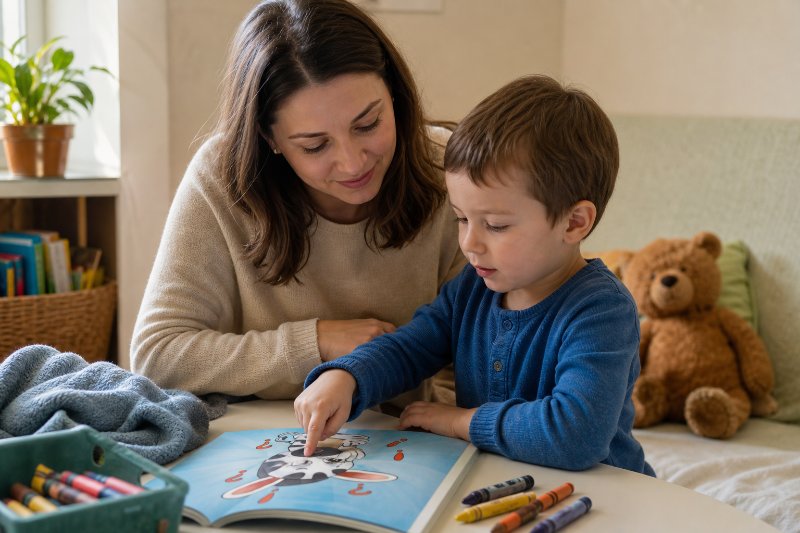
Stories can give young children the words for big feelings, turning tears, fear, and frustration into naming, calming, and repair. In Portland, social emotional learning books are most useful when they make emotional practice feel safe and familiar.
Bedtime Stories Teach Emotional Regulation
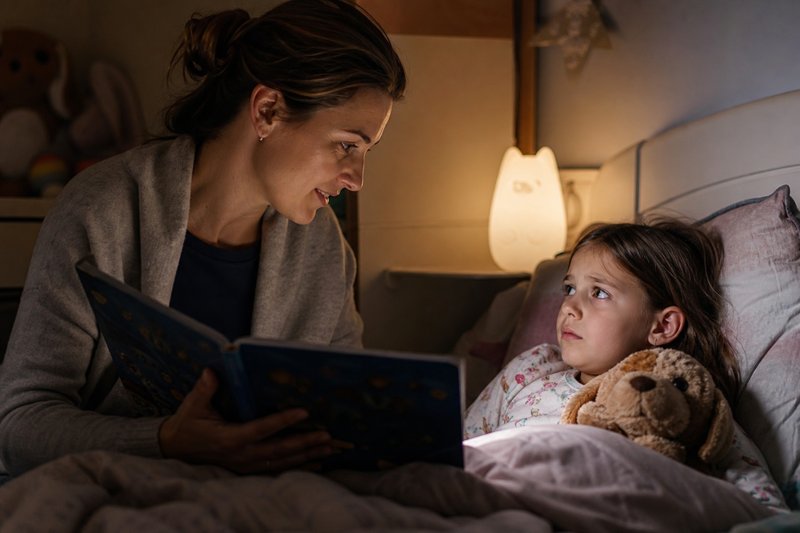
Bedtime stories work best when one clear feeling takes center stage, like worry, anger, or sadness. The right children's books make big emotions easier to name and discuss, without overwhelming a child at the end of the day.