

What Educators & Therapists Want in SEL Books
When you pick up a children’s emotional learning book, you are not just choosing a story. You are choosing a small, repeatable experience your child may carry into bedtime, preschool drop-off, sibling conflict, or a hard moment after a long day. That is why early childhood professionals, therapists, and educators often look beyond whether a book is “cute” or popular. They are quietly asking deeper questions. Does this book help a child name feelings? Does it make room for big feelings without shaming them? Does it invite a caring adult into the conversation? Does the story feel safe enough for a child to return to again and again? For parents, this insider lens can be reassuring. You do not need a professional degree to choose well. You need a thoughtful way to look at the story, the pictures, the emotional message, and the kind of connection the book creates between you and your child.
Why Emotional Learning Books Deserve a Closer Look Right Now
Children’s books about feelings have become much more visible in U.S. homes, classrooms, libraries, and therapy rooms. That visibility is encouraging, but it can also make choosing harder. Many books promise kindness, confidence, calm, or resilience. Not all of them support those goals in the same thoughtful way. Professionals tend to value books that create conversation, not just instruction. A strong emotional learning book does not simply tell your child, “Be calm,” or “Use your words.” It gives your child a character, a situation, a facial expression, and a moment to wonder, “What is happening inside?” Recent research supports this adult-child connection. A 2026 study on shared book reading and journaling for preschool emotion regulation found that interactive book reading paired with journaling activities had positive effects on preschool children’s emotion regulation skills. For a parent, the takeaway is gentle and practical: the book matters, but what happens around the book matters too. Another current study on picture books, illustration evidence, and children’s emotion comprehension explains that carefully selected picture books, when read aloud by teachers, can help young children identify, name, and recognize emotions shown by characters. That is one reason professionals pay close attention to both text and illustrations. Children often read faces, posture, color, and scene details before they fully understand the words.
What Professionals Notice First in a Quality Emotional Learning Book
The feeling is specific, not vague
A book that says a character feels “bad” may be less helpful than one that shows sadness, worry, jealousy, disappointment, embarrassment, or frustration. Specific feeling words give your child a clearer emotional map. This does not mean a book needs to sound like a psychology lesson. In early childhood, simple language works beautifully. “Her tummy felt tight.” “He wanted to stomp.” “She missed her dad and did not know what to say.” These lines give children words and body clues they can recognize later. If you want more everyday support with this skill, Zebra Baby’s article on how to build emotional vocabulary before age 5 shares simple ways to help your child name feelings during ordinary family moments.
The story respects big feelings
Professionals often look for emotional safety. That means the book does not make a child feel wrong for being angry, scared, shy, or overwhelmed. It also does not treat big feelings as something to erase instantly. A strong story shows that feelings are real, temporary, and manageable. The character may cry, pause, ask for help, breathe, repair a mistake, or try again. The important message is not “never feel upset.” The message is “you can feel this and still be held, guided, and loved.” This matters because children learn emotional regulation through repeated experiences of being supported. A book can become one of those experiences, especially when you read it with a calm voice and allow space for your child’s reactions.
The adult in the story helps without taking over
Many professionals notice how grown-ups are portrayed. Does the adult shame the child? Rush the child? Solve every problem immediately? Or does the adult stay steady, offer language, and support the child in finding a next step? In a helpful emotional learning book, adults are often warm anchors. They might say, “That was disappointing,” or “You wanted a turn,” or “It is okay to be mad, and I will not let you hit.” This kind of language models both compassion and boundaries. For parents, this can be one of the hidden gifts of a well-written book. You are not only reading to your child. You are also receiving language you can use later.
Key Criteria to Weigh Before You Buy
Look for rich picture clues
Young children rely heavily on images. Professionals often examine whether the illustrations show emotion clearly through faces, bodies, spacing, and context. A clenched fist, turned shoulder, lowered eyes, or brightening expression can help your child understand the feeling before naming it. Good picture clues also invite questions. You might ask, “What do you notice about his face?” or “Where do you think she wants to be right now?” These questions turn reading into emotional learning without making it feel like a test. The best books leave room for observation. They do not explain every feeling so heavily that your child has no chance to think.
Notice whether the book invites conversation
Educators often use dialogic reading, which simply means reading in a back-and-forth way. You pause, ask, listen, and connect the story to your child’s life. A quality emotional learning book supports this naturally. It may include repeated phrases, clear emotional turning points, or scenes where a child can predict what might happen next. You do not need to ask many questions. One thoughtful pause can be enough. Try gentle prompts such as, “Have you ever felt that way?” or “What helped the character feel safe?” If your child does not answer, that is okay. Listening quietly can still be meaningful.
Choose stories with emotional variety
Some books focus on one feeling, such as anger or worry. That can be useful. Still, professionals often appreciate stories that show emotional movement. A character may feel excited, then disappointed, then comforted, then brave enough to try again. That movement mirrors real life. Children rarely experience one neat feeling at a time. A birthday party can bring joy and shyness. A new sibling can bring love and jealousy. Bedtime can bring comfort and separation worries. Books that allow mixed feelings help your child build self-expression and resilience. They make emotional life feel normal rather than confusing or shameful.
Pay attention to representation and belonging
A strong emotional learning book helps many children feel seen. Professionals may look for inclusive families, skin tones, abilities, cultures, home settings, and caregiving roles. Representation is not a decoration. It tells children, “Feelings happen in families like yours too.” You can also think about whether the book reflects your child’s daily world, or gently expands it. Both are valuable. A child may feel comforted by a familiar bedtime routine on the page, while also learning empathy from a character with a different family structure or life experience. For families looking for broader home support, Zebra Baby’s collection of parenting resources for emotional learning at home offers ideas that connect reading, routines, literacy, and calming practices.
Common Misconceptions Parents Can Let Go Of
“If the book teaches a lesson, it must be effective”
A lesson alone is not enough. Children usually learn best when they feel connected, curious, and emotionally safe. A book that announces its message too loudly can sometimes feel flat. A story with warmth, conflict, repair, and tenderness often goes deeper. Instead of looking only for the lesson, look for the emotional experience. Ask yourself, “Will my child care about this character?” and “Does the story give us something honest to talk about?”
“Sad or angry books will make my child feel worse”
Many parents understandably want books that feel comforting. Comfort matters. But a book can include sadness, anger, fear, or jealousy and still be deeply reassuring. Professionals often value books that let children practice hard feelings from a safe distance. Your child is not the one losing the toy, missing the parent, or feeling left out. The character is. That distance can make it easier for your child to talk, wonder, and slowly understand. The key is resolution and support. The story does not need a magically happy ending, but it should offer emotional safety, connection, or a path toward repair.
“My child did not talk about the book, so it did not work”
Children process stories in many ways. Some ask direct questions. Some act out scenes with stuffed animals. Some request the same bedtime story for two weeks and say very little. Quiet does not mean nothing is happening. A child may return to a phrase days later during a hard moment. You might hear, “I need space like the bear,” or “My mad is big.” That delayed connection is part of how emotional learning often grows.
“Older-looking books are always better than simple books”
Simple books can be powerful, especially in early childhood. A board book with clear faces and repeated feeling words may be more useful for a three-year-old than a longer story with abstract ideas. Professionals match the book to the child’s developmental stage. For younger children, look for rhythm, repetition, expressive pictures, and everyday situations. For older preschoolers and early elementary children, you can add more complex feelings, social conflicts, and perspective-taking.
Ready to choose stories with more intention? Zebra Baby Books creates gentle, emotionally aware children’s books and family reading resources designed to help children name feelings, feel seen, and build warm connection with the adults who read beside them.
Disclaimer: Zebra Baby content is created for educational and storytelling purposes only and is not a substitute for professional medical, mental health, or therapeutic advice.
Related Articles
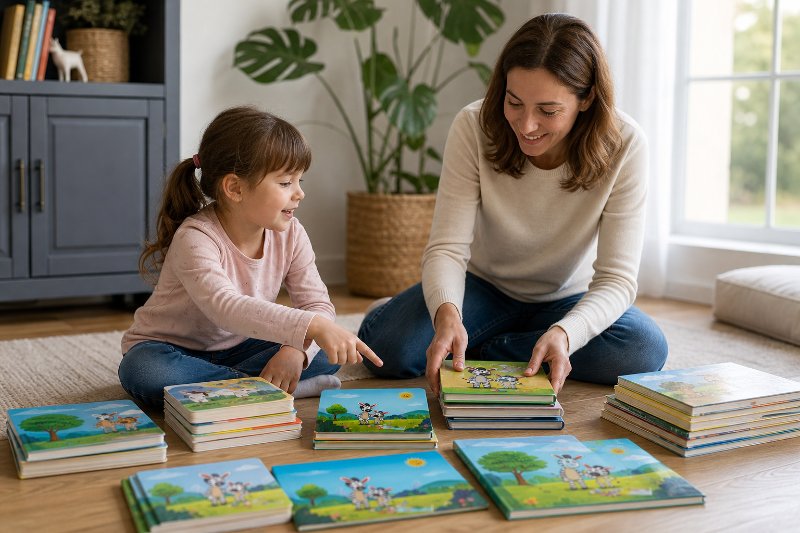
What Are the Best Books for Kids in 2026?
The biggest mistake is choosing books by age label or popularity alone. The strongest picks match a child’s stage, interests, and emotions, helping reading grow alongside confidence and resilience.
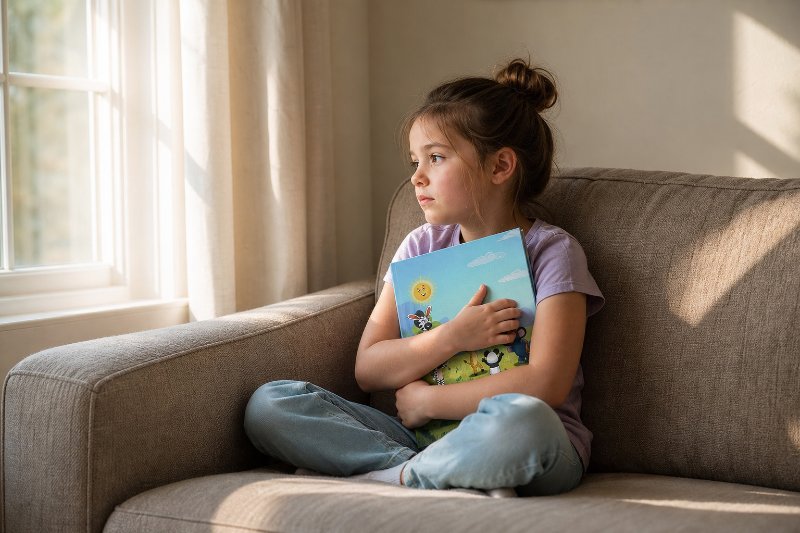
SEL Books for Elementary Students by Monday
SEL stories work best when they give elementary students a safe way to talk about hard moments through characters first. The right book can turn frustration, friendship troubles, and school-day stress into calmer conversations at home.
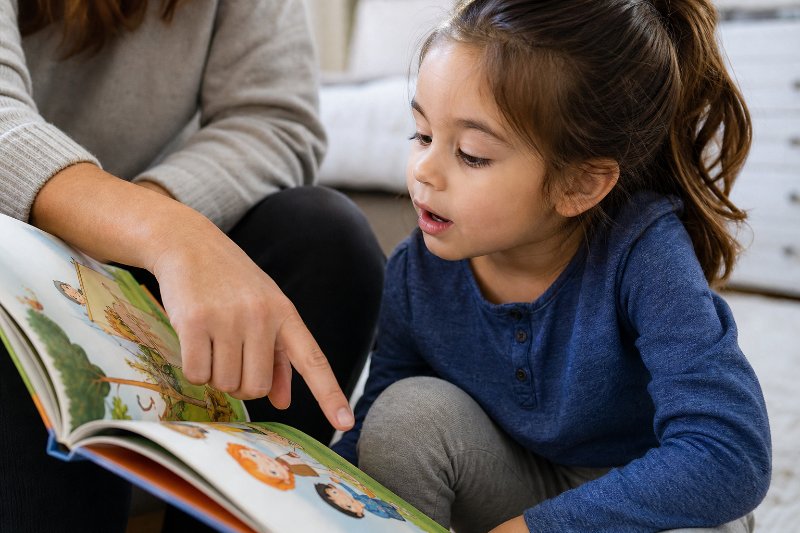
FAQ: SEL Books for Parents and Educators
SEL books work best as conversation starters, not quick fixes. Used with patient read-alouds and a few thoughtful questions, they help children name feelings, practice empathy, and talk through hard moments.