
Simple Parenting Habits that build confidence
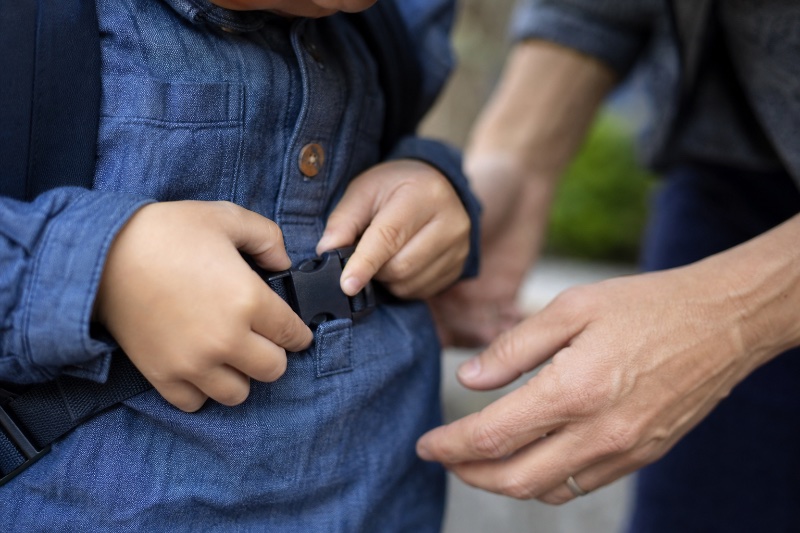
Confidence in early childhood often grows in small, quiet moments. It grows when your child tries to zip a coat and you wait a few extra seconds before helping. It grows when big feelings are met with calm words. It grows when bedtime includes a story, a cuddle, and the gentle message, “You are safe, and you can try again tomorrow.” You do not need dramatic parenting strategies to help your child feel capable. Most confidence-building happens through repeatable habits: warm responses, predictable routines, respectful limits, shared reading, and everyday chances to practice self-expression. These habits tell your child, again and again, “You matter. Your feelings make sense. You can learn.” That does not mean every moment will feel peaceful. Children melt down, refuse help, demand help, change their minds, and fall apart over socks, snacks, or the wrong cup. Confidence is not built by avoiding those moments. It is built when you help your child move through them with emotional safety and connection.
Why confidence begins with emotional safety
Confidence is often described as bravery, independence, or self-belief. For young children, it starts even earlier than that. Before your child can say, “I can do this,” they need to feel, “Someone is here with me while I try.” The CDC names several everyday caregiving behaviors that support healthy child development, including responding to children in predictable ways, showing warmth and sensitivity, keeping routines and household rules, and sharing books and conversation with children through healthy child development habits. These are not flashy behaviors. They are the steady rhythms of family life.
Warmth teaches your child they are worth caring for
Warmth is not the same as giving in to every request. It is the tone, face, and body language that tell your child they are loved even when a limit stays in place. A warm response might sound like, “You really wanted more screen time. It is hard to stop. I am here, and the tablet is still done.” That kind of response protects connection without removing the boundary. Your child learns that limits do not mean rejection. This matters because confidence grows more easily when children do not have to wonder whether love disappears during hard moments. A recent peer-reviewed study reported that warm parenting is linked with children’s feelings of care and support, which can help the development of self-esteem and self-confidence, while harshness and rejection are linked with more self-doubt in research on parenting style and children’s self-esteem. The study points to a relationship between these factors, not a simple guarantee, but it gives parents a clear direction: warmth matters.
Predictability helps children feel steady inside
Children are still learning how the world works. When responses feel unpredictable, they may become more anxious, clingy, reactive, or unsure. When your child knows what usually happens after dinner, at bedtime, or when they hit a sibling, their body can relax into the pattern. Predictability does not require a rigid home. It means your child can generally trust the rhythm. For example, bedtime might include pajamas, brushing teeth, two books, a hug, and lights out. If your child protests, the routine stays steady. Your voice stays gentle. The order stays familiar. Over time, this kind of steadiness helps your child feel more capable because the world feels less confusing.
The parenting habits that quietly build confidence
Confidence is not one lesson. It is built from repeated experiences. Your child gathers proof about themselves through the way daily moments unfold.
Name effort more than outcome
When your child completes a puzzle, it is tempting to say, “You are so smart.” That is loving, but confidence grows deeper when you describe what your child did: “You kept turning the piece until it fit.” “You tried a new way.” “You stayed with it even when it was tricky.” This helps your child connect success to effort, patience, and problem-solving. It also makes mistakes feel less threatening. If the goal is to be “smart,” a mistake can feel like proof that they are not. If the goal is to keep learning, a mistake becomes part of the work. You can use this habit during dressing, building blocks, drawing, cleaning up, or learning to share. The key is to notice the process.
Let your child practice small choices
Children build confidence when they experience healthy control. Small choices give them a safe place to practice decision-making without carrying too much responsibility. You might ask, “Do you want the blue pajamas or the striped ones?” “Should we read the bear book or the moon book first?” “Would you like to walk to the car or hop like a bunny?” The choices should be real, but limited. Too many options can feel overwhelming. A small choice says, “Your voice matters,” while still keeping you in the caregiver role.
Use repair after hard moments
Every parent has moments when their voice gets sharper than intended or patience runs out. Confidence is not harmed by every imperfect moment. What matters deeply is repair. Repair can be simple: “I used a loud voice earlier. That probably felt upsetting. I am sorry. I am going to try again with a calmer voice.” This does not remove your authority. It models responsibility. When children experience repair, they learn that relationships can bend without breaking. They also learn that mistakes are not the end of the story. That lesson is a powerful foundation for resilience.
Everyday moments where confidence grows
Confidence is not only built during planned teaching moments. It grows while shoes are missing, cereal spills, siblings argue, and bedtime stretches longer than expected.
When your child says, “I can’t”
“I can’t” often means, “This feels too hard right now.” Instead of rushing to solve the problem, you can offer a calm bridge: “It feels hard. I will stay close while you try one part.” If your child is trying to put on shoes, you might say, “You start the strap, and I will help with the tight pull.” If your child is drawing and becomes frustrated, you might say, “You wanted the circle to look different. Let’s take a breath and try another one.” This kind of support is sometimes called scaffolding, but in plain language, it means giving just enough help so your child can participate. You are not leaving them alone with frustration. You are also not taking over so quickly that they miss the chance to feel capable.
When big feelings take over
A child in the middle of a meltdown is not ready for a long lesson. Confidence in emotional regulation begins with co-regulation, which means your calm helps your child borrow steadiness until they can find their own. You might kneel nearby and say, “You are very mad. I will not let you hit. I am right here.” The message is firm and safe at the same time. Later, when your child is calmer, you can revisit the moment gently. “You were angry when the blocks fell. Next time, you can stomp your feet or ask for help.” This teaches self-expression without shame.
When storytime opens a feeling door
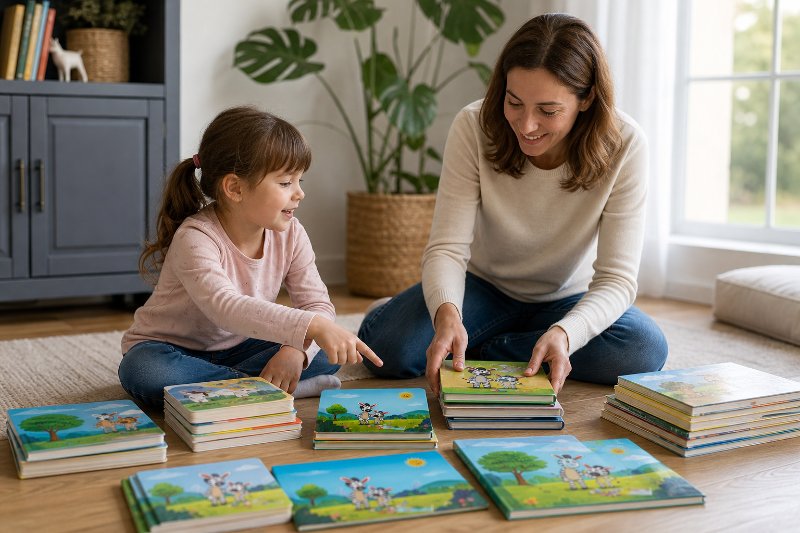
Books create a soft place to talk about courage, jealousy, disappointment, friendship, and trying again. A character’s feelings can feel safer to discuss than your child’s own feelings at first. You might pause and ask, “What do you think she is feeling?” or “What could he do next?” These questions help your child notice emotions, choices, and social cues. Zebra Baby has written more about how stories help children practice empathy through characters’ feelings and choices, especially when the conversation stays gentle and open. Storytime does not need to become a formal lesson. A quiet question, a shared look at an illustration, or a moment of wondering together can be enough.
If you want more story-based support for emotional learning, the Zebra Baby Books emotional learning series offers gentle children’s books created to help families talk about feelings, confidence, empathy, and trying again. Each story gives children relatable characters and everyday situations they can understand, while giving caregivers simple openings for calm, meaningful conversations.
These books can fit naturally into bedtime, quiet time, classroom reading, or any moment when your child needs help naming feelings and practicing social-emotional skills. The goal is not to turn reading into a lesson, but to make connection, reassurance, and emotional language part of the stories you already share.
Disclaimer: Zebra Baby content is created for educational and storytelling purposes only and is not a substitute for professional medical, mental health, or therapeutic advice.
Related Articles

What Educators & Therapists Want in SEL Books
Early childhood pros favor SEL books that help children name feelings, make space for big emotions, and invite a caring adult into the conversation. The best choices spark connection, not just a lesson.
What Are the Best Books for Kids in 2026?
The biggest mistake is choosing books by age label or popularity alone. The strongest picks match a child’s stage, interests, and emotions, helping reading grow alongside confidence and resilience.

SEL Books for Elementary Students by Monday
SEL stories work best when they give elementary students a safe way to talk about hard moments through characters first. The right book can turn frustration, friendship troubles, and school-day stress into calmer conversations at home.