
When Do You Need Bedtime Stories for Infants in Portland?
Kelly Anderson
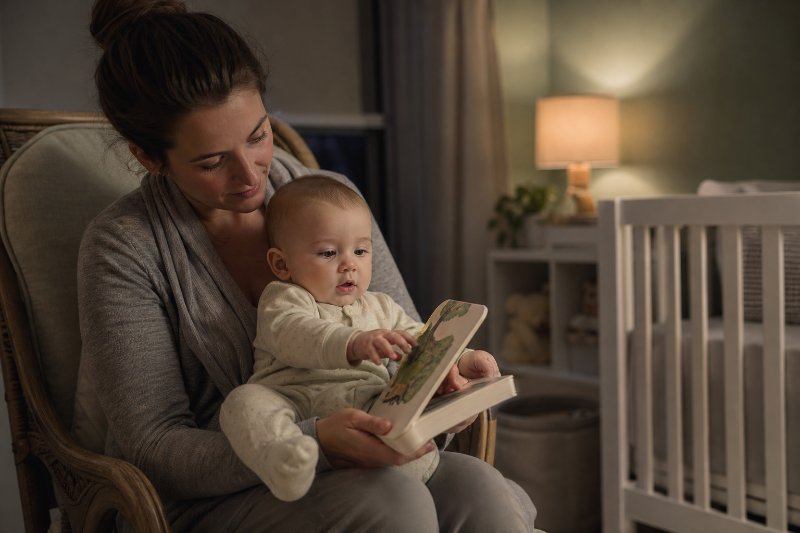
A baby who seemed content moments ago may become wide-eyed and restless as bedtime approaches. You might wonder whether reading matters yet, especially if your infant chews the cover, grabs every page, or looks away after a few sentences. Those responses are not signs that storytime has failed. They are part of how babies explore books, voices, and closeness. For families seeking bedtime stories for infants in Portland, the most helpful starting point is not a long or complicated book. It is a warm voice, a simple emotional message, and a routine that respects your baby’s cues. Rainy Oregon evenings can make reading feel especially comforting, but the deeper value comes from the emotional safety created between you and your child. Zebra Baby supports that connection through gentle storytelling designed around early feelings, confidence, and belonging.
What Infants Receive From a Bedtime Story
Infants do not need to understand every word for reading to have meaning. Your voice, facial expression, rhythm, and touch all communicate before language is fully developed. A story can become a familiar signal that says, “You are safe, you are close to me, and it is time to slow down.”
Your voice supports emotional regulation
Emotional regulation means gradually learning how to move through excitement, frustration, worry, and other big feelings. Babies cannot manage these states independently. They depend on a caring adult to help their bodies settle through holding, rocking, humming, and calm speech. Bedtime reading can be part of this shared calming process. As you speak slowly, pause between pages, and keep your body relaxed, your infant receives repeated sensory signals of safety. This is why emotional regulation support for young children often begins with connection rather than instruction. A book cannot guarantee sleep, and storytime should not become a test that your baby must pass. Its purpose is to offer a gentle transition. Some evenings your infant may listen quietly. On others, your child may need movement, feeding, or an earlier end to the story. Both experiences are normal.
Repeated language builds familiarity
Babies learn through repetition. Familiar phrases, animal sounds, rhymes, and comforting refrains help your infant notice patterns in spoken language. Over time, a repeated line may bring a smile, a kick, or an excited sound. This early participation matters even before recognizable words appear. It teaches your child that communication moves back and forth between people. You speak, pause, notice a response, and answer it. That simple exchange supports language while strengthening parent-child connection.
Stories introduce feelings without demanding a response
The emotional content of a story can matter even when an infant does not understand the plot. A character may feel nervous and receive comfort. Another may keep trying after something feels difficult. Your tone helps communicate the emotional movement. Children’s emotional learning books can give you natural language for these moments. You might say, “The baby zebra feels upset,” or, “Now she feels safe with her family.” Your infant does not need to repeat the words. Hearing emotions named in a caring setting lays an early foundation for self-expression.
Choosing Stories That Fit an Infant’s Needs
The best Portland infant bedtime stories are not necessarily the books with the most educational claims, longest text, or brightest pages. A useful story fits your child’s attention, sensory needs, and current capacity for interaction.
Look for a soothing emotional shape
A bedtime book can include challenge, but the tension should be manageable and the ending reassuring. Stories about separation, loud conflict, or frightening danger may be too stimulating for some infants at night. Consider whether the character receives comfort, reconnects with a trusted figure, or ends in a secure place. Gentle storytelling does not mean avoiding every difficult feeling. It means presenting fear, disappointment, uncertainty, or frustration within a caring emotional frame. Your baby hears that hard moments can happen and connection remains available.
Choose language you enjoy repeating
Your comfort with a book affects the reading experience. Short sentences, soft rhymes, and repeated phrases are often easier to read slowly. If the wording feels awkward or overly busy, you may rush without realizing it. Read a few pages aloud before adding a book to bedtime. Notice whether the words invite warmth and expression. A well-suited story should leave room for eye contact, cuddling, and pauses rather than making you feel responsible for finishing every sentence. A children’s book series can be helpful because recurring characters provide familiarity. Once your infant recognizes a character, cover, or repeated phrase, the book itself may become part of the bedtime signal.
Match the book to the way babies explore
Infants often learn through touch and movement. Sturdy pages, rounded edges, clear pictures, and durable bindings make shared reading easier. Your baby may pat a face in an illustration, turn several pages at once, or bring the book toward their mouth. You can gently protect the book without treating exploration as misbehavior. Offer a safe board book for touching while you read, or hold the book slightly farther away if your child becomes intensely focused on grabbing it. The goal is a positive relationship with books, not careful page turning.
Consider the energy of the illustrations
High-contrast images can attract an infant’s attention, but a bedtime book does not need to be visually overwhelming. Pictures with clear faces, simple shapes, and recognizable emotional expressions give you something meaningful to talk about. You might point to a character’s eyes or posture and say, “He looks tired,” or, “She is happy to see her grown-up.” This turns bedtime reading for Portland infants into a small emotional learning moment without creating a lesson or quiz.
Making Storytime Responsive Instead of Rigid
A dependable rhythm can help bedtime feel predictable, but rigidity often adds pressure. Responsive reading means noticing what your baby communicates and adjusting without viewing the adjustment as a setback.
Let your baby’s cues shape the reading
Relaxed hands, soft vocal sounds, steady gazing, and leaning toward you may show engagement. Turning away, arching, crying, rubbing the face, or becoming unusually active may signal fatigue or overstimulation. If your infant looks away, pause rather than immediately trying to regain attention. Looking away can be a healthy way to take a sensory break. You can quietly describe one picture, hum the repeated phrase, or close the book and continue cuddling. Some infant bedtime stories in Portland homes will last ten minutes. Others will last less than one. Consistency comes from offering the experience regularly, not from requiring the same duration every night.
Use your natural voice
You do not need theatrical voices or a polished reading style. Your familiar voice is already meaningful. Try speaking a little more slowly than usual and allowing the final words of each page to settle. If reading exactly as written feels unnatural, simplify the text. Name one object, describe one feeling, or repeat the most comforting sentence. Babies benefit from responsive interaction more than complete narration.
Create a low-pressure environment
Dim, comfortable lighting and fewer background sounds can make it easier for an infant to settle. Keep the book within reach before you begin so the transition does not involve searching or turning on bright lights. Bedtime stories, social-emotional learning resources, and parenting content can all offer useful ideas, but your family does not need an elaborate routine. A feeding, a short book, a familiar phrase, and a cuddle may be enough. What matters is that the sequence feels emotionally safe and manageable for you.
Common Misunderstandings About Reading to Babies
Parents often carry unnecessary worry about whether they are reading often enough, choosing the right material, or holding their baby’s attention. A few gentle corrections can make storytime feel more natural.
“My baby does not understand, so reading can wait”
Understanding develops gradually. An infant may not follow a storyline, but your child can recognize your voice, emotional tone, rhythm, and repeated sounds. Shared reading also creates opportunities for gaze, touch, turn-taking, and comfort. Early reading is less about teaching facts and more about building a welcoming relationship with language and books.
“We must finish the whole book”
Finishing is not necessary. Stopping after two pages can be the most responsive choice if your baby is hungry, overtired, or uncomfortable. You may also skip text, repeat a favorite page, or simply talk about the cover. Portland bedtime stories for babies work best as invitations rather than assignments. Ending peacefully protects the emotional quality of the routine.
“A bedtime story should make every baby sleepy”
Some babies become more alert around books because voices and pictures are interesting. If storytime consistently increases energy, try reading earlier in the evening or choosing a visually quieter book. You can also use a familiar refrain after closing the book to signal that interaction is winding down. Persistent sleep difficulties can have many causes. Reading is a supportive ritual, not a medical treatment.
“Emotional learning is too advanced for infancy”
Formal explanations are too advanced, but emotional learning begins inside relationships. When you notice distress, offer comfort, and name an experience simply, your infant starts learning that feelings can be expressed and met with care. This is the earliest form of resilience. Your child experiences discomfort, receives support, and returns toward calm. Stories can reflect that same reassuring pattern.
Why Early Story Rituals Matter Beyond Bedtime
A repeated reading ritual gives your child more than exposure to words. It creates a protected space where closeness, attention, and feelings belong together. As your infant grows, that emotional memory can support future conversations about frustration, confidence, friendship, and fear. Books may also help you find words during moments when you feel uncertain. Children’s emotional learning books and social-emotional learning resources can model simple phrases that acknowledge feelings without making them larger or dismissing them. Parenting content can then help you carry those phrases into everyday situations. The effects are built through small interactions. Your child reaches toward a picture, and you respond. Your baby becomes unsettled, and you soften your voice. A character needs reassurance, and you name the comfort being offered. These moments teach that communication matters and that big feelings do not threaten connection.
A Gentle Beginning for Your Family’s Evenings
Bedtime reading does not require a long attention span or a flawless routine. Choose a story with comforting language, follow your infant’s signals, and allow closeness to matter more than completion. For families throughout the city, bedtime stories for infants in Portland can become a tender foundation for language, emotional safety, and trust. If you would like stories that support confidence, self-expression, and feeling understood, Zebra Baby invites you to explore its children’s book series and emotional learning resources at the Zebra Baby books website. You can also browse the paperback series on Amazon and choose a warm, relatable story that speaks to the feelings your child is beginning to experience.
Disclaimer: Zebra Baby content is created for educational and storytelling purposes only and is not a substitute for professional medical, mental health, or therapeutic advice.
Related Articles

Start Social Emotional Learning for Kids Before Kindergarten
Before kindergarten, children build lasting emotional skills through repeated, emotionally safe practice at home, using stories, play, and supportive adult responses rather than formal lessons.

How to Choose Bedtime Stories That Help Portland Kids Wind Down
Choosing exciting or emotionally unresolved books at bedtime can keep children alert. Stories with a gentle rhythm, named feelings, and reassuring resolution help the day end more peacefully.
New SEL Book for Kids: Zebra Baby Believes in Herself
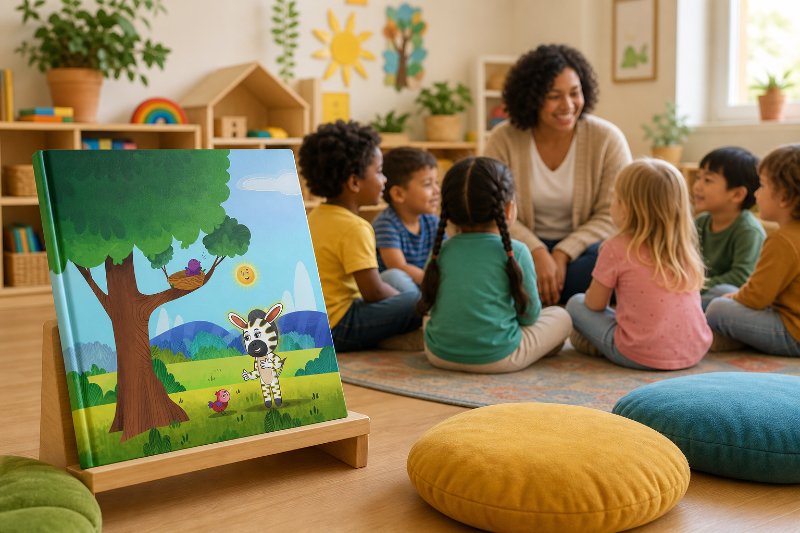
Kelly Anderson’s new picture book shows that confidence can be quiet: trusting feelings, asking for support, and taking a brave next step when something feels hard.